Penn State’s soft 3D printed implant targets hard-to-treat hypertension
A soft 3D printed implant is trying to coax the body’s own blood-pressure reflex into action, where drugs and rigid hardware have fallen short.
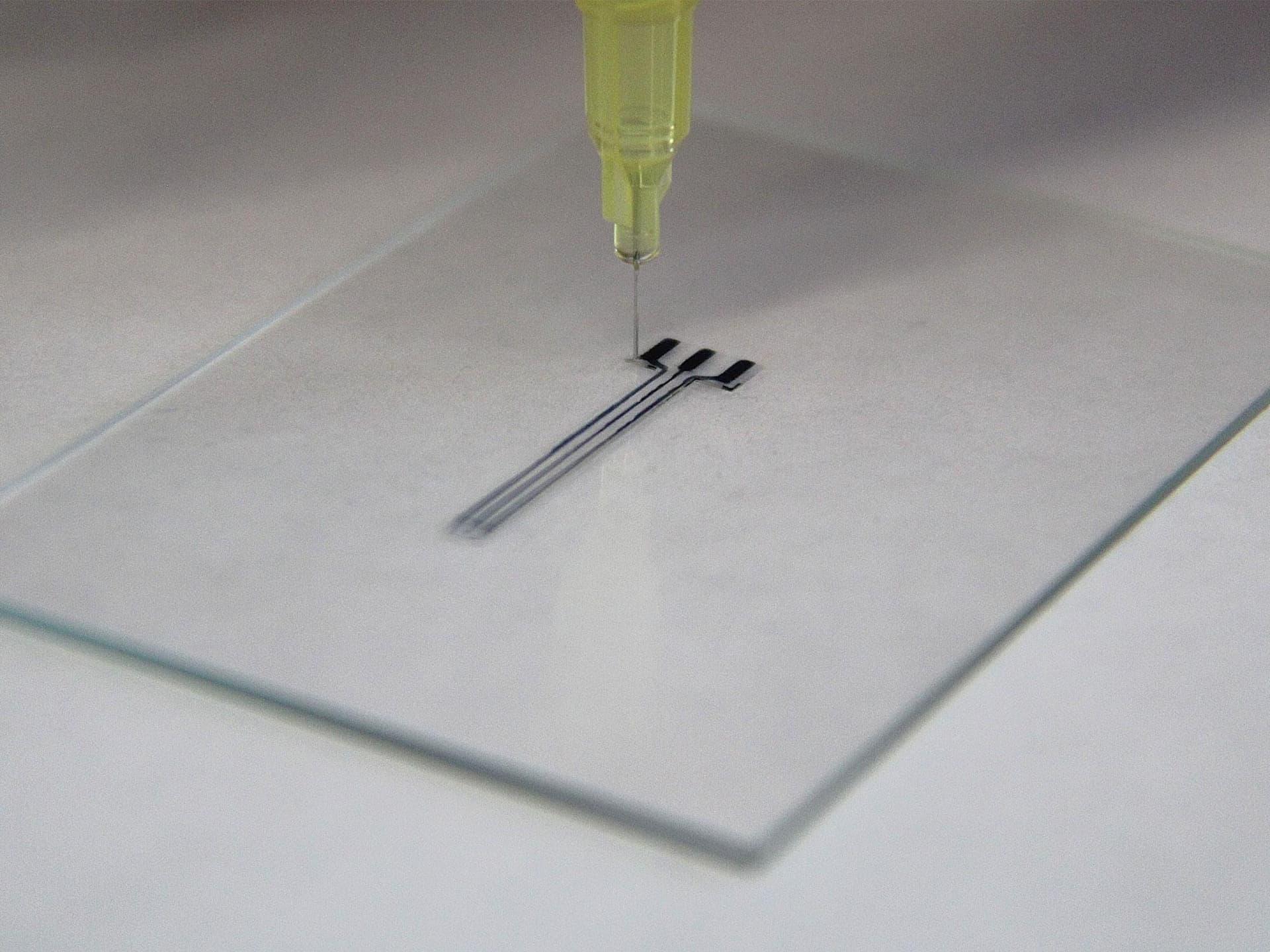
A soft implant for a stubborn blood-pressure problem
CaroFlex is the kind of 3D printing story that makes the whole field feel bigger than parts and prototypes. Penn State researchers have built a fingertip-sized, soft bioelectronic implant that does not try to bulldoze hypertension with another drug. Instead, it aims to persuade the body’s own signaling system to calm blood pressure at the carotid sinus, where baroreceptors help run the baroreflex.
That choice matters because the problem is not small. Nearly half of adults in the United States live with hypertension, and roughly one in ten do not get control from standard medication regimens. For the people still running high despite taking three to five medications at once, the need is not for another minor tweak. It is for a new therapeutic pathway.
How CaroFlex works with the body instead of against it
The device is designed to attach to one of the body’s most important arteries and deliver gentle electrical stimulation to the carotid sinus. That is the stretch-sensitive area where baroreceptors monitor pressure and help trigger a natural feedback loop that adjusts blood pressure. The idea is elegant in a very 3D printing sort of way: use form, softness, and fit to make a medical interface that can work in a delicate space without forcing the anatomy to adapt to the device.
Penn State describes CaroFlex as using different frequencies of electricity to stimulate the baroreceptors and modulate the reflex. In plain terms, the implant is not replacing the body’s control system. It is trying to nudge it back toward balance. That makes the project especially interesting for hard-to-treat hypertension, where the challenge is often not simply one more receptor target, but finding a way to engage the body’s own circuitry more effectively.
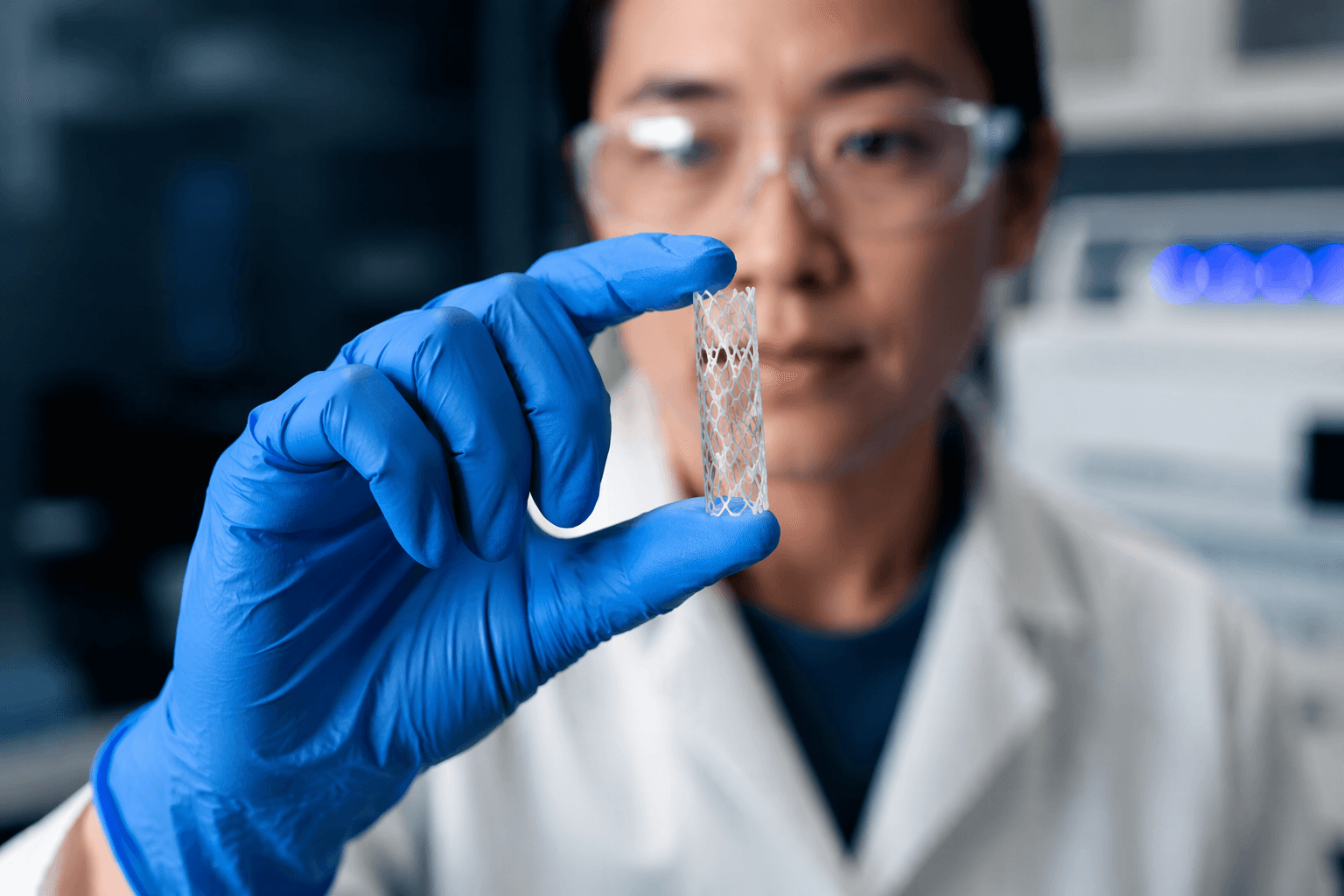
Why additive manufacturing is central here
CaroFlex is built from soft, stretchy 3D printed hydrogel materials plus an adhesive component that helps it painlessly stick to biological tissue. That is a very different design language from the rigid metals and plastics that still define much of commercial bioelectronics. Penn State notes that some bioelectronic devices already exist, but their stiffness creates integration problems when they have to live near soft, moving tissue.
This is where additive manufacturing becomes more than a fabrication method. It becomes the enabler for a device that can be shaped around function, not just assembled from off-the-shelf industrial parts. A soft, suture-free bioelectronic interface that adheres to the carotid sinus is the kind of form factor conventional manufacturing struggles to deliver cleanly, especially when the device needs to remain intimate with tissue while staying compact and body-friendly.
For the 3D printing community, that is the real shift. The printer is not just producing a model that looks medical. It is helping define a medical interface that is soft enough to sit on delicate anatomy, adhesive enough to stay put, and structured enough to carry an electrical function without becoming a rigid foreign body.
What the rat studies showed
The early test results are promising, but they are still early. In rat studies, the team monitored blood pressure over a 10-minute testing window and reported that four of five tested electrical frequencies reduced active blood pressure by more than 15% on average. That kind of response is not proof of a finished therapy, but it is the sort of measurable signal that tells engineers the concept is doing real work in a living system.

The device also reportedly caused less tissue damage than traditional platinum electrodes. That detail matters as much as the blood-pressure numbers because implantable bioelectronics live or die on biocompatibility. An interface that performs while being gentler on surrounding tissue has a better shot at surviving the long path from bench to bedside. The adhesive layer also reportedly remained strong after six months of storage, a useful sign that the material system is not only functional in the lab but stable enough to imagine as a practical platform.
Where the research stands now
CaroFlex was developed at Pennsylvania State University under the leadership of Tao Zhou, the Wormley Family Early Career Assistant Professor of Engineering Science and Mechanics. The work appeared in the journal Device and was tested only in a rodent model, specifically rats. That is a meaningful step, but it is still the opening act of a much longer translation story.
Before anything like this could affect clinical care, the device would need to clear several hurdles that matter in implantable electronics: longer-term biocompatibility, repeated performance under motion and physiological variation, manufacturability at scale, and a path to human testing. The concept is compelling precisely because it solves a problem conventional manufacturing has struggled with, but early success in animals is not the same as a therapy ready for patients.
What Penn State has shown is that 3D printing can do more than shape a device. It can shape a medical relationship, creating a soft, patient-specific interface that meets the body on its own terms. CaroFlex is still at the beginning, but it points toward a future where additive manufacturing helps build implants that are not just smaller or more complex, but more humane in the way they fit, flex, and work.
This article was produced by Prism’s automated news system from verified source data, official records, and press releases, then run through automated quality and moderation checks before publishing. The system is built and supervised by the people who set the standards it runs under. Read our full AI policy.
Did this article answer your question?