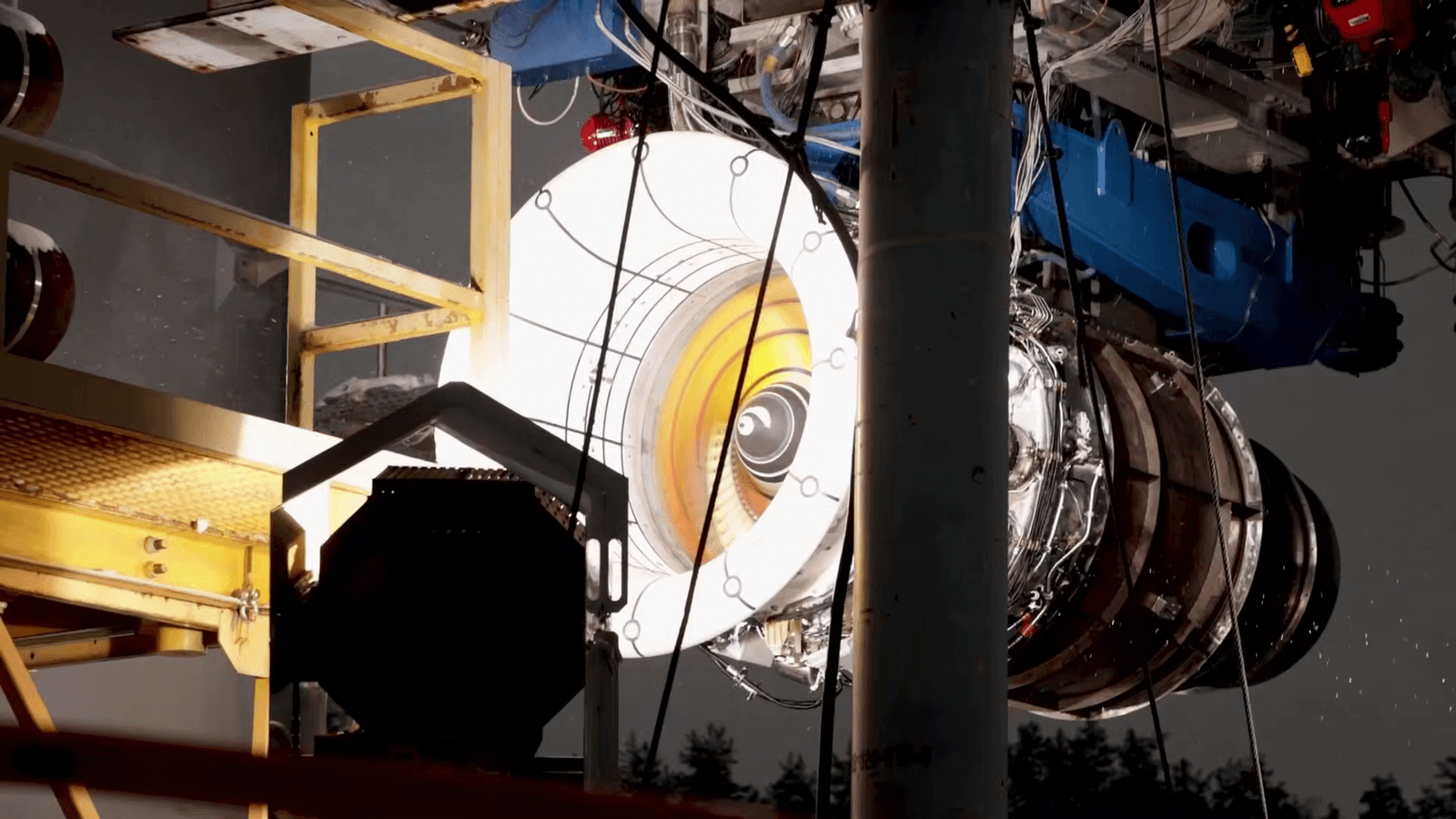
Quill Vogue launches soluble core wash for faster 3D print cleaning
Quill Vogue's new soluble core wash claims to cut support cleanup by up to 90%, targeting the post-processing grind that slows FDM and composite parts.
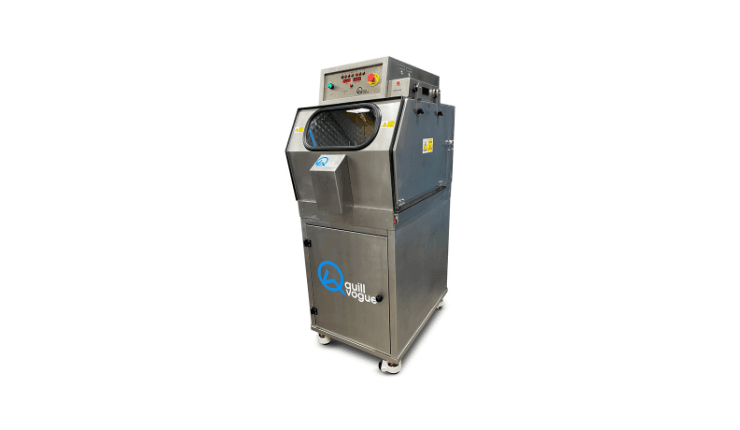
The print is not really finished when the last layer goes down. For sacrificial cores, tooling inserts and other support-heavy parts, the real bottleneck often starts at the wash station, and Quill Vogue has pushed straight at that pain point with its new Soluble Core Wash.
Launched on May 28, the 240-volt stainless steel jet wash system is built to strip soluble support material from complex cores much faster than conventional cleanup, with a claimed reduction in cleaning time of up to 90 percent. That matters most in FDM and composite workflows, where carbon fibre-wrapped geometries, internal channels and other inaccessible features can turn hand-cleaning into a slow, messy job that holds up the rest of the build queue.

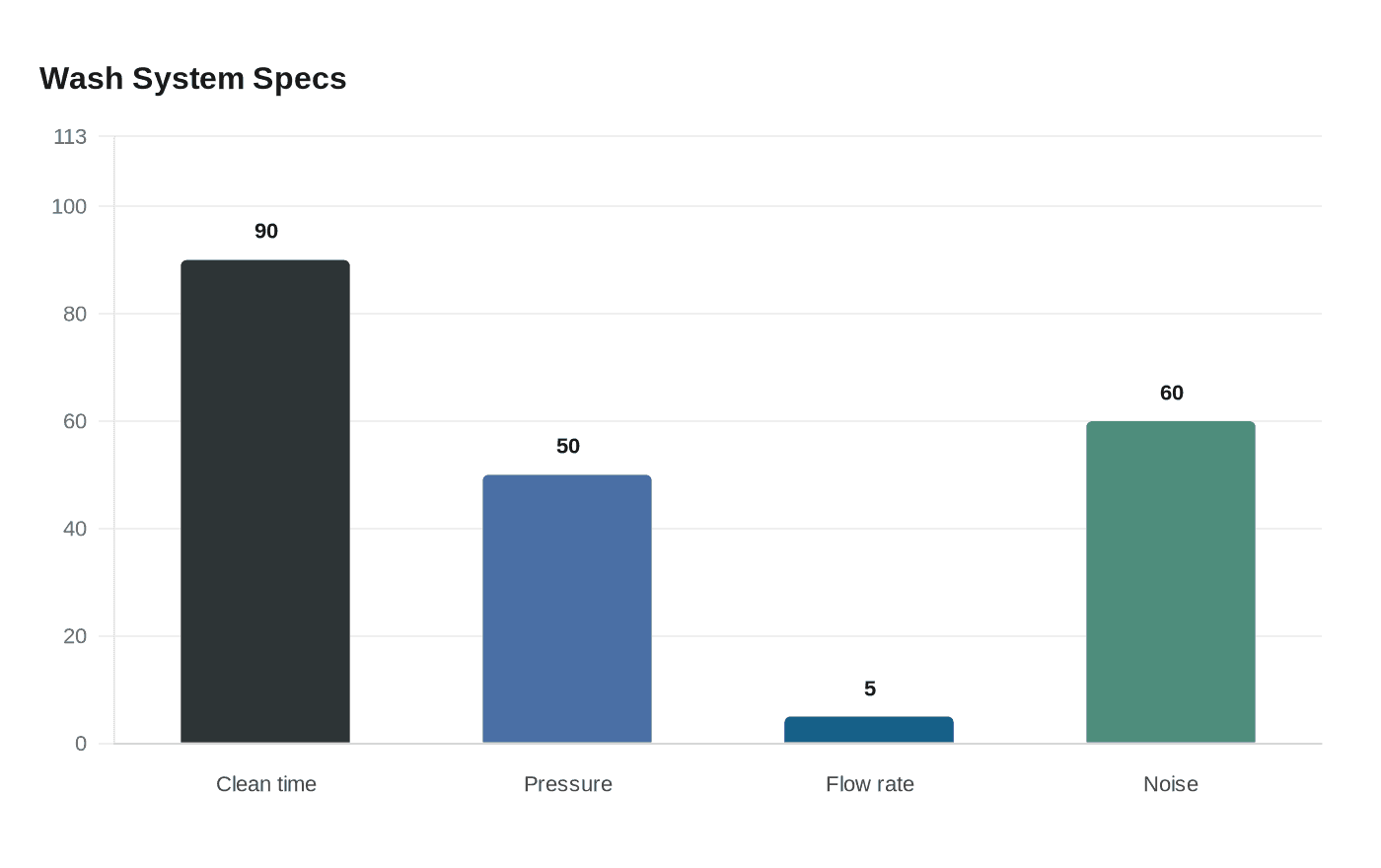
Quill Vogue says the system is not just spraying water at a part. Its approach combines advanced fluid dynamics and tailored chemistry, aiming to move residue out of the geometry as well as off the surface. The company’s own wash-station specifications show the broader logic: the wash station operates between 0 and 50 bar, or 0 to 725 psi, and uses between 1 and 5 litres per minute. Earlier Hot Wash literature says pressurized water at up to 50 bar can clear wax support material from internal voids, channels and blind threads of less than 0.5 mm in seconds. That is the benchmark lens here. If a part has hidden cavities, narrow passages or a repeatable need for production-ready cleanup, a dedicated wash system starts to look less like a luxury and more like a workflow tool.
The launch also fits Quill Vogue’s longer post-processing playbook. The company says product innovation has been the cornerstone of the Quill International Group for more than 40 years, with equipment used on six of the world’s seven continents, in more than 30 countries, and backed by more than 20 patents worldwide and more than 35 registered designs. Its wash-station line already spans PolyJet, Projet, SLM and SLS parts, alongside models such as the Wash Station, Hot Wash, Powder Wash, Hot Soak Box and Cold Soak Box.
That experience shows up in the hardware details too. Quill Vogue’s mobile wash-station literature describes a closed system with 2 x 25-litre water tanks and recycled water routed through a weir filter system. The same literature puts the unit at 60 dB, with low-energy LED lighting and stainless-steel construction. It is the kind of back-end equipment that speaks to shops watching cycle time as closely as layer time.
TCT has described post-processing as a bottleneck in additive manufacturing for years, and Quill Vogue’s Soluble Core Wash lands in exactly that gap. The real question for makers and production teams is no longer whether the printer can make the part, but how fast the part can be cleaned, cleared and handed off for use.
This article was produced by Prism’s automated news system from verified source data, official records, and press releases, then run through automated quality and moderation checks before publishing. The system is built and supervised by the people who set the standards it runs under. Read our full AI policy.
Did this article answer your question?