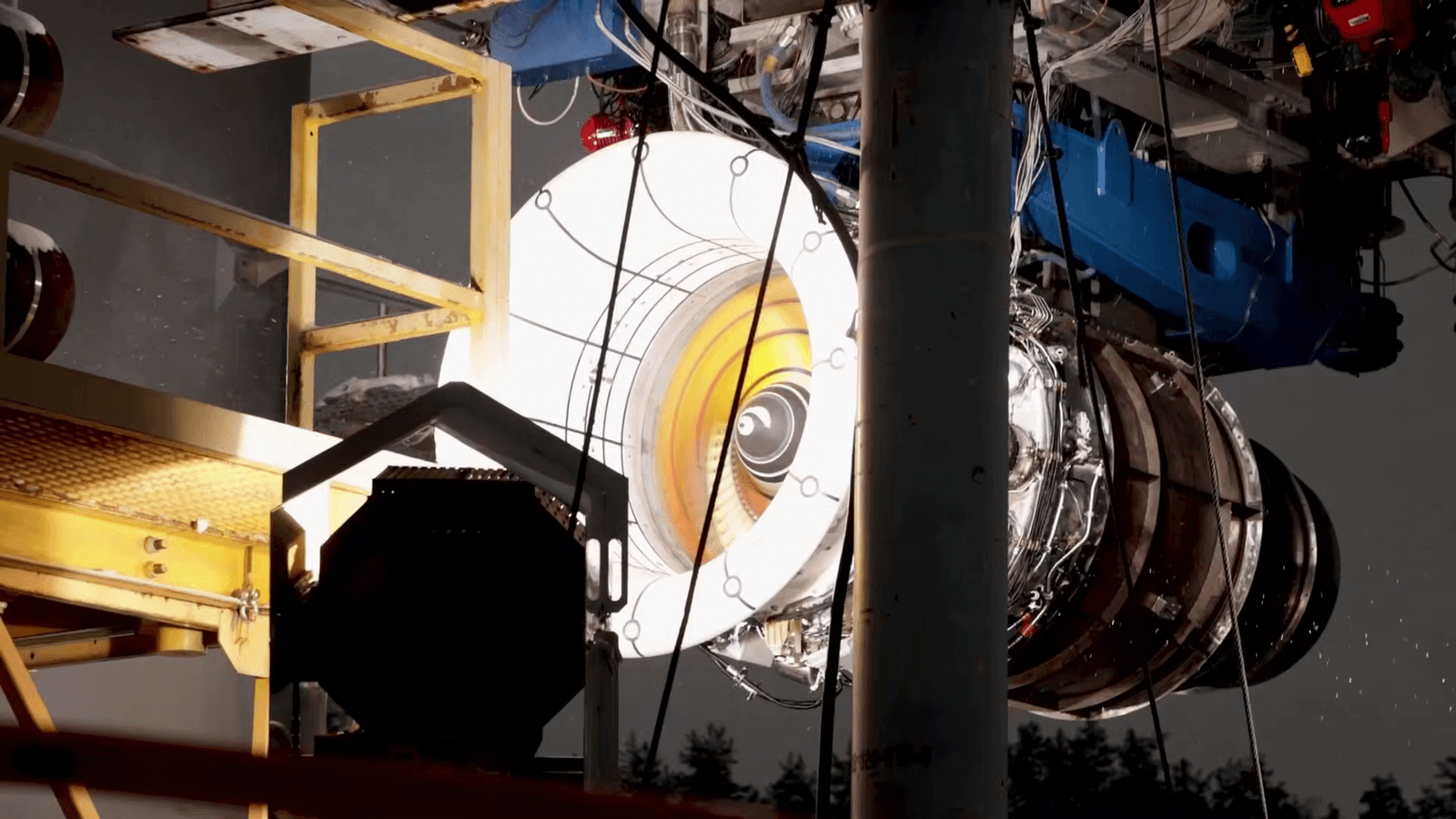
ROBOZE and SUPSI develop advanced composites for extreme environments
ROBOZE and SUPSI are pushing Carbon-Carbon and ceramic matrix composites toward extreme environments, but the work stays firmly at the industrial edge of 3D printing.
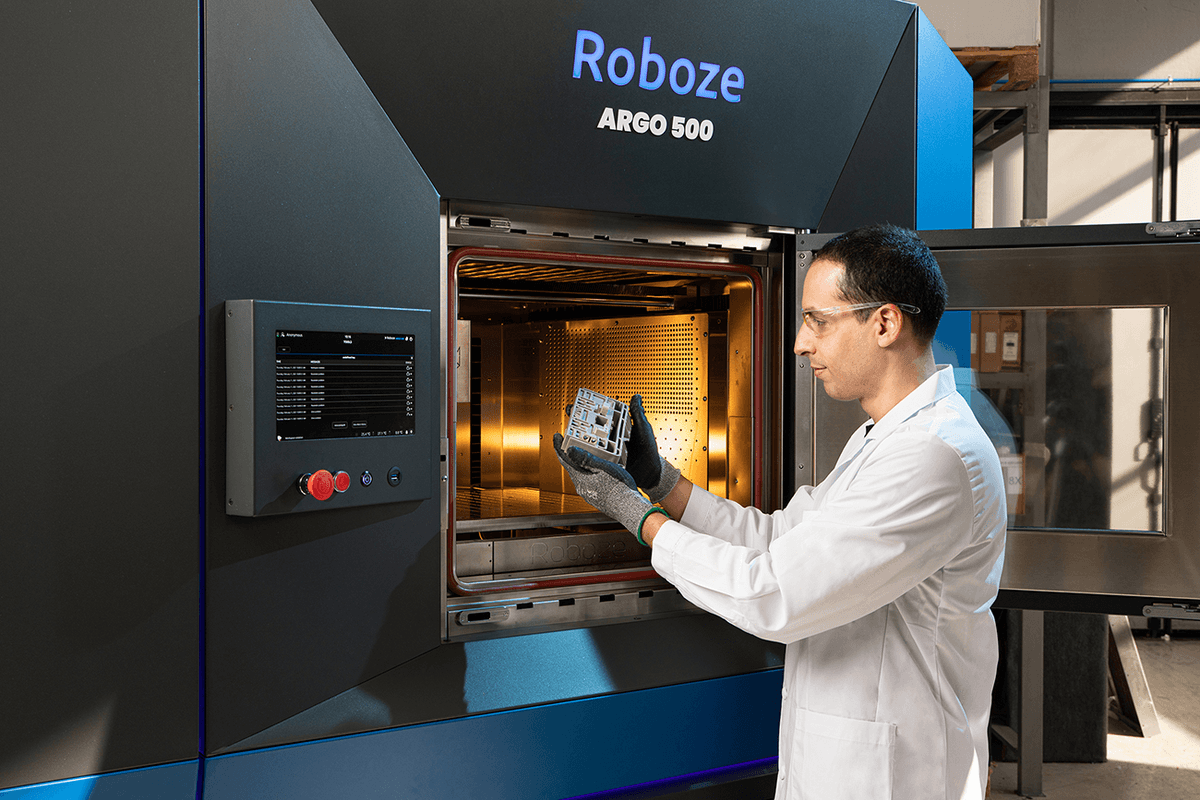
ROBOZE and the University of Applied Sciences and Arts of Southern Switzerland, SUPSI, have put Carbon-Carbon and Ceramic Matrix Composites in the additive spotlight, a move that shows how far the high end of 3D printing has drifted from the desktop hobby bench. The research and development initiative, announced in Bari, Italy, on May 26, is aimed at materials that can survive brutal heat, thermal shock, and harsh operating conditions that would wreck ordinary polymers.
The partnership pairs ROBOZE’s additive manufacturing experience with SUPSI’s Institute of Mechanical Engineering and Materials Technology, known as MEMTi. On the SUPSI side, the Hybrid Materials Laboratory in Manno is led by Prof. Alberto Ortona and focuses on porous ceramic materials, additive manufacturing, ceramic and polymer matrix composites, microstructure analysis, and material characterization. SUPSI also ties that work to applications in energy, chemistry, and transportation, which places the project squarely in the realm of applied industrial materials development rather than consumer printer experimentation.
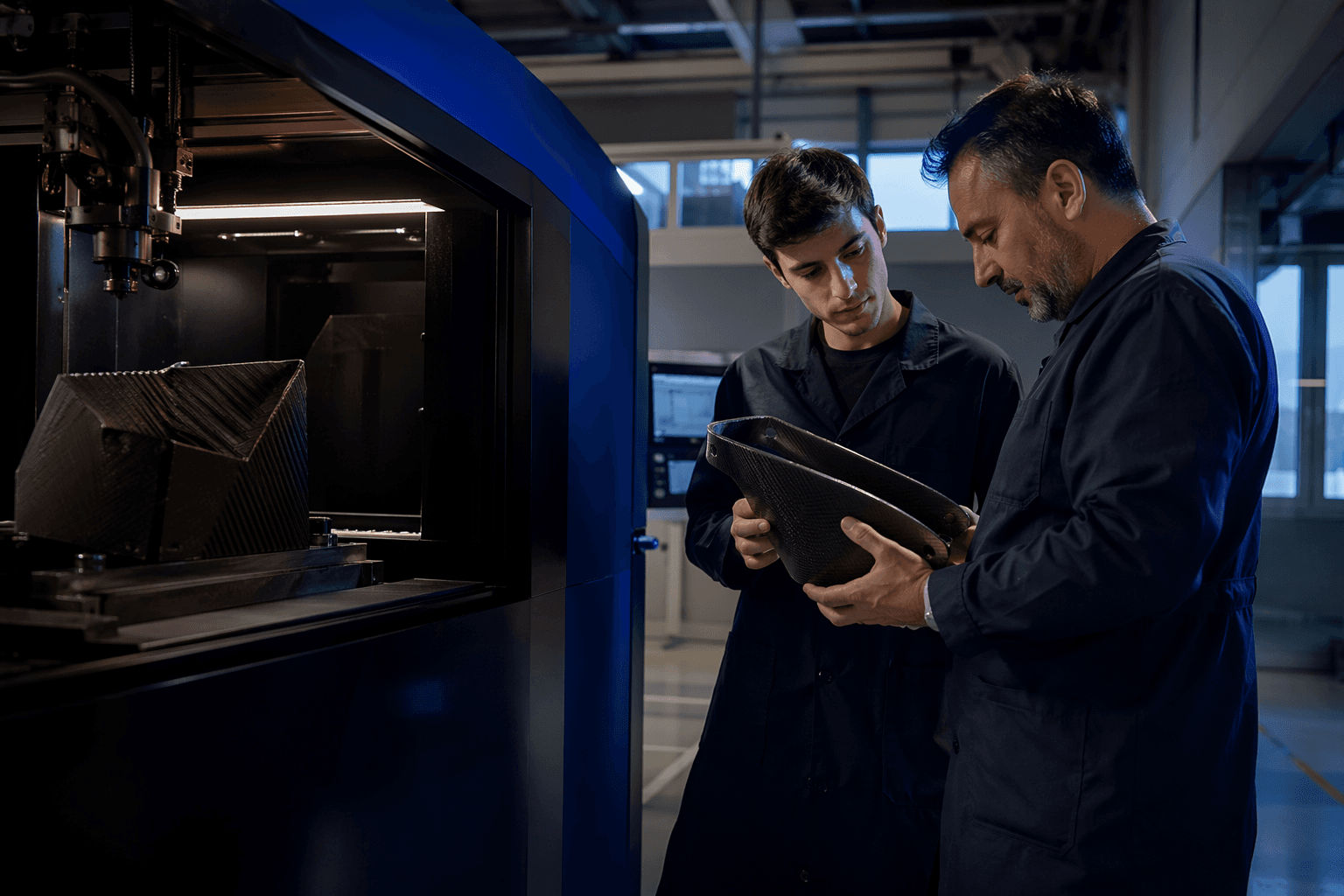
ROBOZE said the initiative will be led by Simone Cuscito, its Chief R&D and Product Officer. The company’s stated goal is to improve the development of high-performance materials for extreme environments, with future applications under evaluation that include hypersonic systems and next-generation nuclear fusion technologies. That is the real story here: not a new filament or a faster profile for an entry-level machine, but the kind of materials science that eventually shapes what printers can reliably process at all.
For technical users, the practical payoff usually arrives later and in a subtler form. Research like this can help define better process windows, tougher feedstocks, and more reliable print strategies for advanced parts, even if the first results live far beyond the scope of fused filament fabrication on a workbench. It also shows how much additive manufacturing vendors now lean on university labs to backstop claims about materials credibility, not just machine performance.
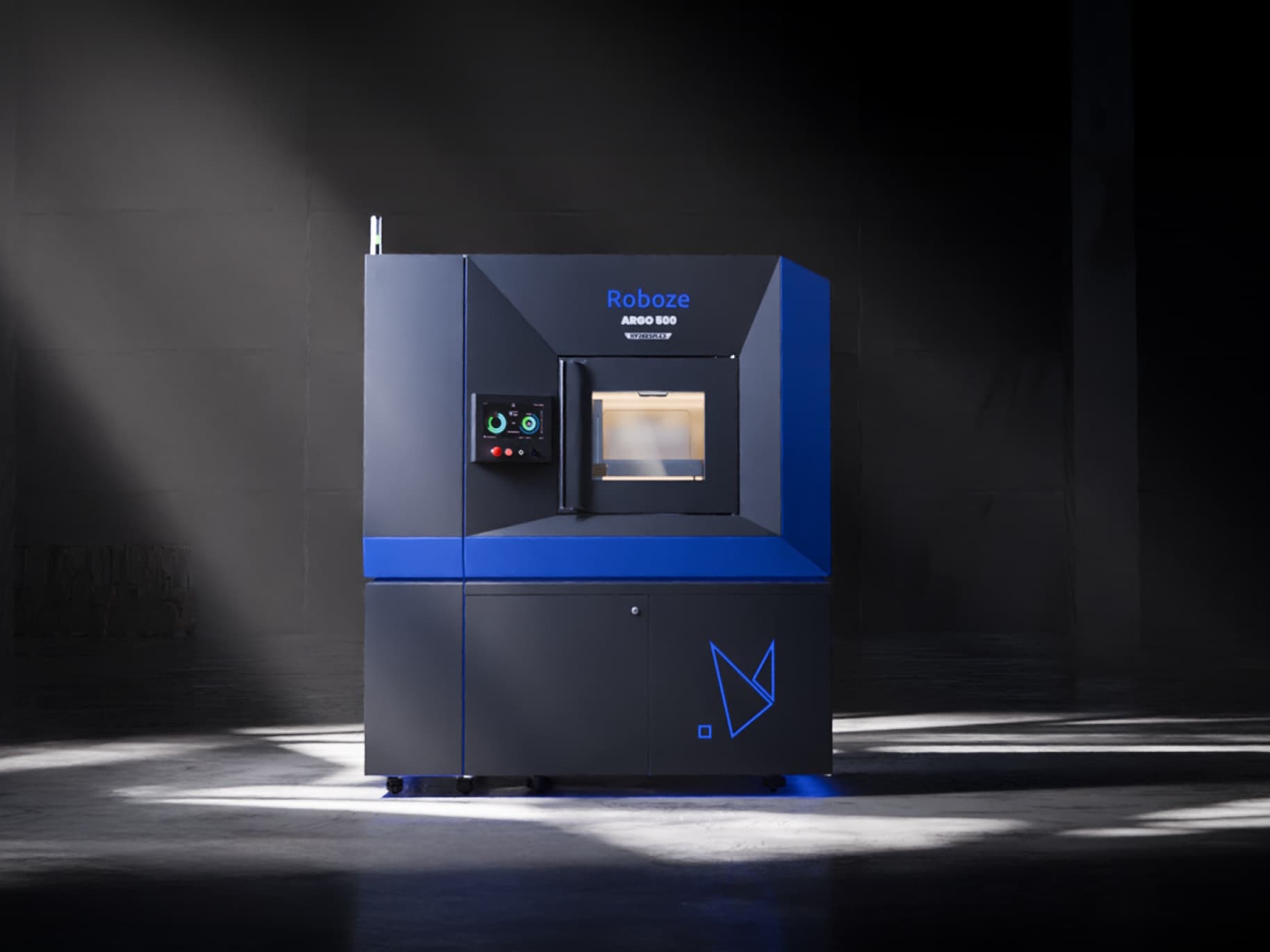
ROBOZE has been making that industrial pivot more explicit. On March 16, the company launched the ARGO 500 HYPERSPEED MISSION READY, an industrial additive manufacturing platform built to produce high-performance polymer and composite parts for aerospace and defense work where reliability, repeatability, and operational readiness matter. Put beside the SUPSI collaboration, the message is clear: the next frontier in 3D printing is not more colorful desktop parts, but composites built for the kind of environments where ordinary plastics never had a chance.
This article was produced by Prism’s automated news system from verified source data, official records, and press releases, then run through automated quality and moderation checks before publishing. The system is built and supervised by the people who set the standards it runs under. Read our full AI policy.
Did this article answer your question?