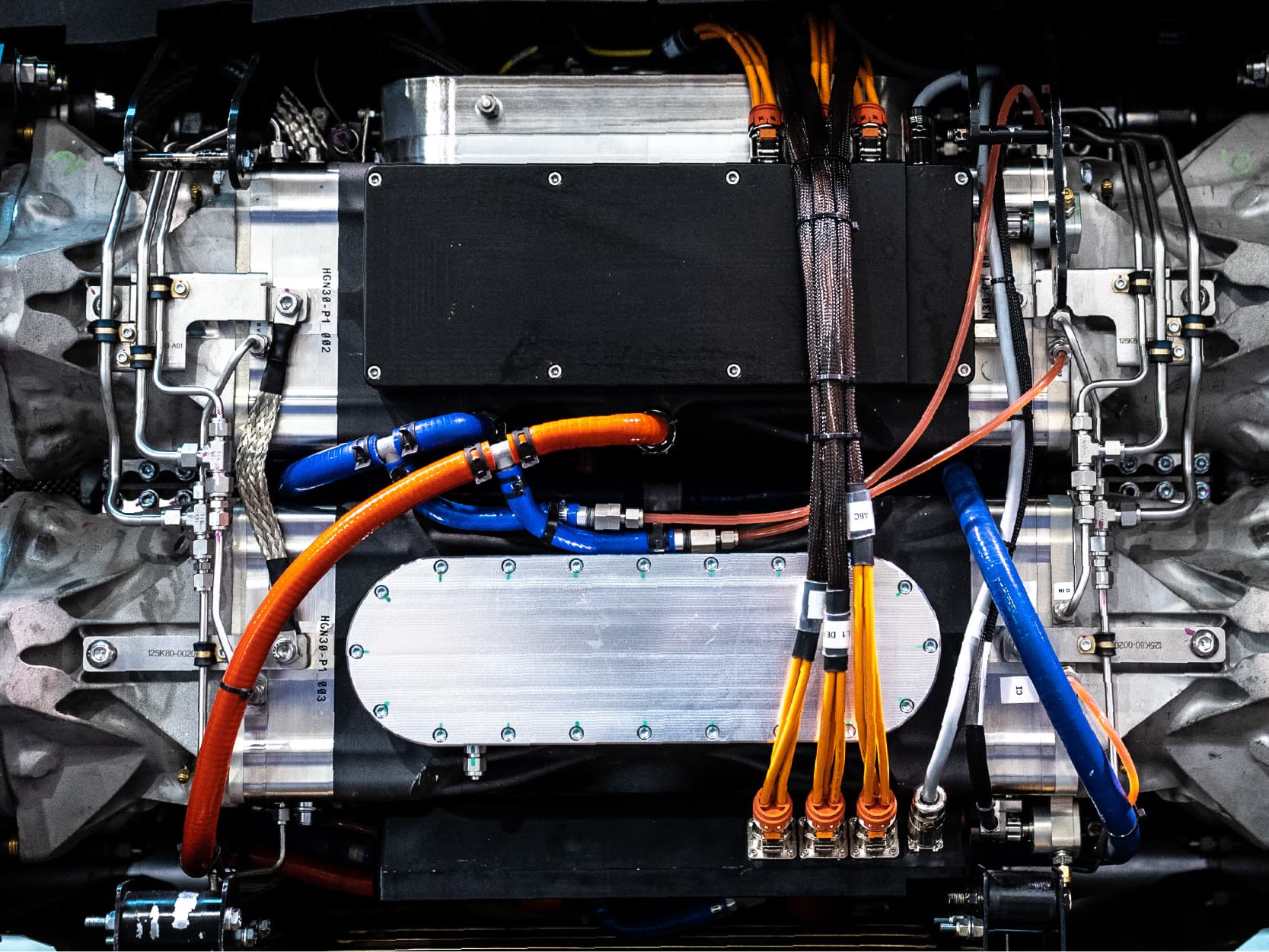
Rocket Lab hits 1,000 3D-printed Rutherford rocket engines
Rocket Lab’s 1,000th 3D-printed Rutherford engine shows additive manufacturing scaling from demo parts to flight-proven production hardware.
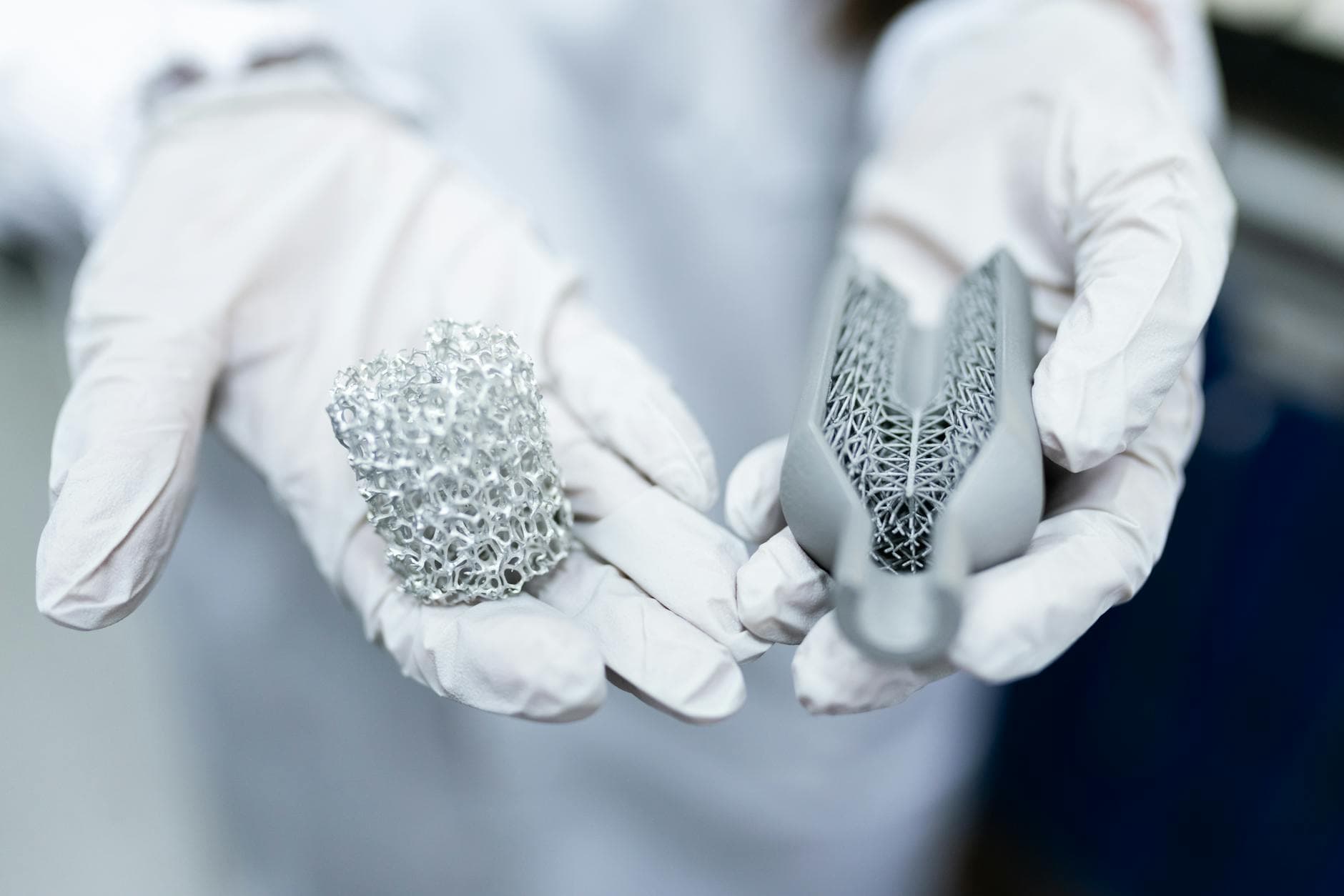
Rocket Lab has crossed a production threshold that matters far beyond one engine count: the company built its 1,000th 3D-printed Rutherford, turning a once-experimental rocket component into repeatable, flight-proven hardware. For additive manufacturing, the milestone is less about novelty than trust, consistency, and the ability to make the same engine again and again.
Rutherford is the world’s first 3D-printed, electric pump-fed orbital rocket engine, and Rocket Lab began developing it in 2013. The engine was first test-fired that same year, then designed specifically for Electron, the company’s small-satellite launch vehicle. Electron flies nine sea-level Rutherford engines on its first stage and a vacuum-optimized Rutherford on the second stage, with each engine using LOX and RP-1 propellants and weighing about 35 kilograms.
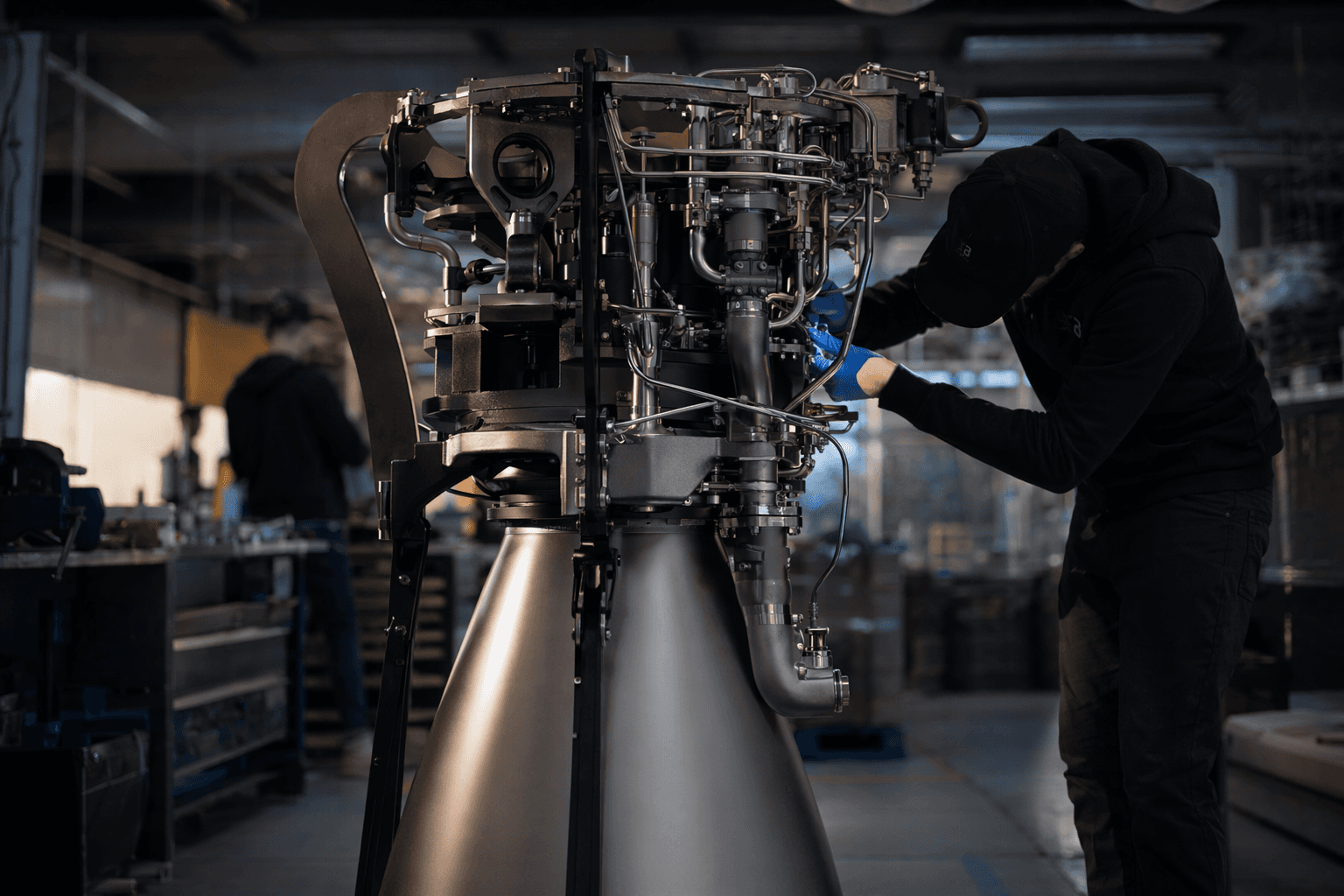
That matters because Rocket Lab has now moved well beyond the proof-of-concept phase. The company said 350 Rutherford engines had been launched to space since Electron’s first flight in 2017, and as it approached the 1,000-engine production mark, it said more than 800 had already flown. By the time Rocket Lab celebrated its 100th Rutherford build, it had produced 100 flight-ready engines, flown 70 to space, and carried out more than 850 successful test fires. That kind of cadence is what turns a printed part into a launch system operators can rely on.
Rocket Lab has also shown that Rutherford is not a one-and-done engine. In August 2023, the company flew a previously flown Rutherford engine again on Electron after recovery, refurbishment, and reuse. That reuse campaign gave the engine another layer of credibility, because the real test for production hardware is not just whether it can be printed, but whether it can survive launch, return, be processed, and fly again.
The company has tied that manufacturing discipline to bigger infrastructure as well. Rocket Lab opened its 144,000-plus-square-foot Engine Development Center in Long Beach, California, on October 4, 2023, to support high-rate production of Rutherford and the next-generation Archimedes engine for Neutron. In that sense, the 1,000-engine mark is the clearest sign yet that Rocket Lab has pushed additive manufacturing from a showcase technology into an industrial launch workflow.
Know something we missed? Have a correction or additional information?
Submit a Tip