Shining 3D’s portable ceramic printer targets dental crowns and bridges
Shining 3D’s shoebox-sized Ceramix-Nano prints ceramic crowns in 8 to 11 minutes, then cures them in about 3. It points to a future of desktop fabrication built around one repeatable job.
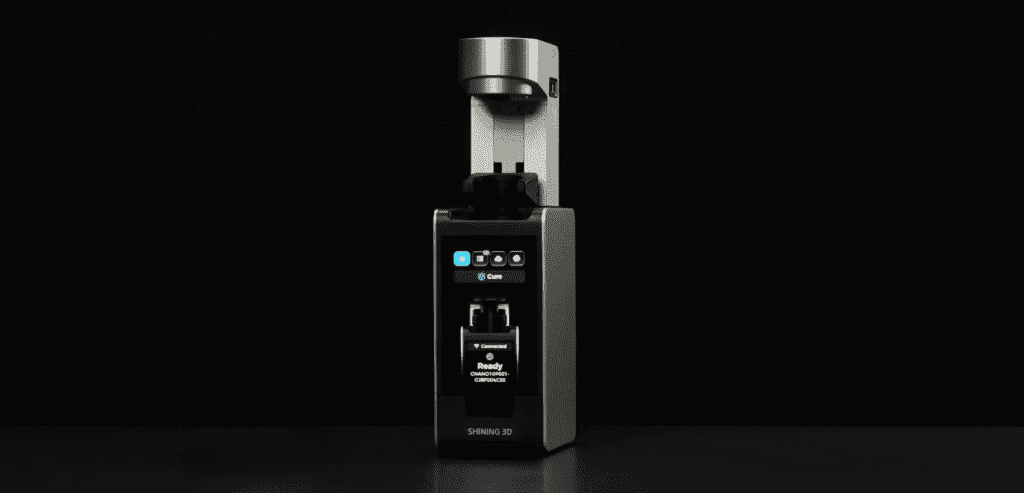
A shoebox-sized 3D printer that prints and cures ceramic crowns in one unit is a sharp sign that desktop fabrication is drifting toward appliance-style machines. SHINING 3D Dental’s Ceramix-Nano is not trying to be a general-purpose bench printer; it is built for one very specific workflow, and that focus is the point.
SHINING 3D Dental announced the global launch from Hangzhou, China, on June 18, 2026, positioning the Ceramix-Nano as a chairside dental system for permanent crowns, veneers, inlays, onlays and Maryland bridges. The company says the full scan-to-restoration workflow can take as little as 30 minutes, with single-crown printing claimed at 8 to 11 minutes and on-machine curing at about 3 minutes. It also says the printer uses patented APS, or Adaptive Pneumatic Stereolithography, technology.
The hardware itself reinforces the message. SHINING 3D says the unit weighs about 2 kg, measures 87 x 131 x 276 mm and is compact enough to run on a 10,000mAh-plus power bank. That is a very different proposition from the crowded, open-ended desktop printers familiar to most makers. Instead of chasing broader material compatibility or larger build volume, the Ceramix-Nano narrows the workflow to a repeatable dental result.
That tradeoff is exactly what makes the machine worth watching outside dentistry. In a clinic, consistency, traceability and space efficiency matter more than flexibility. The same logic could eventually appeal in other narrow markets where a small, highly controlled printer would be more useful than a generalist one. Jewelry, electronics enclosures, micro-ceramics and other specialty parts all fit that profile, especially if the machine can deliver the same output without a long setup cycle.
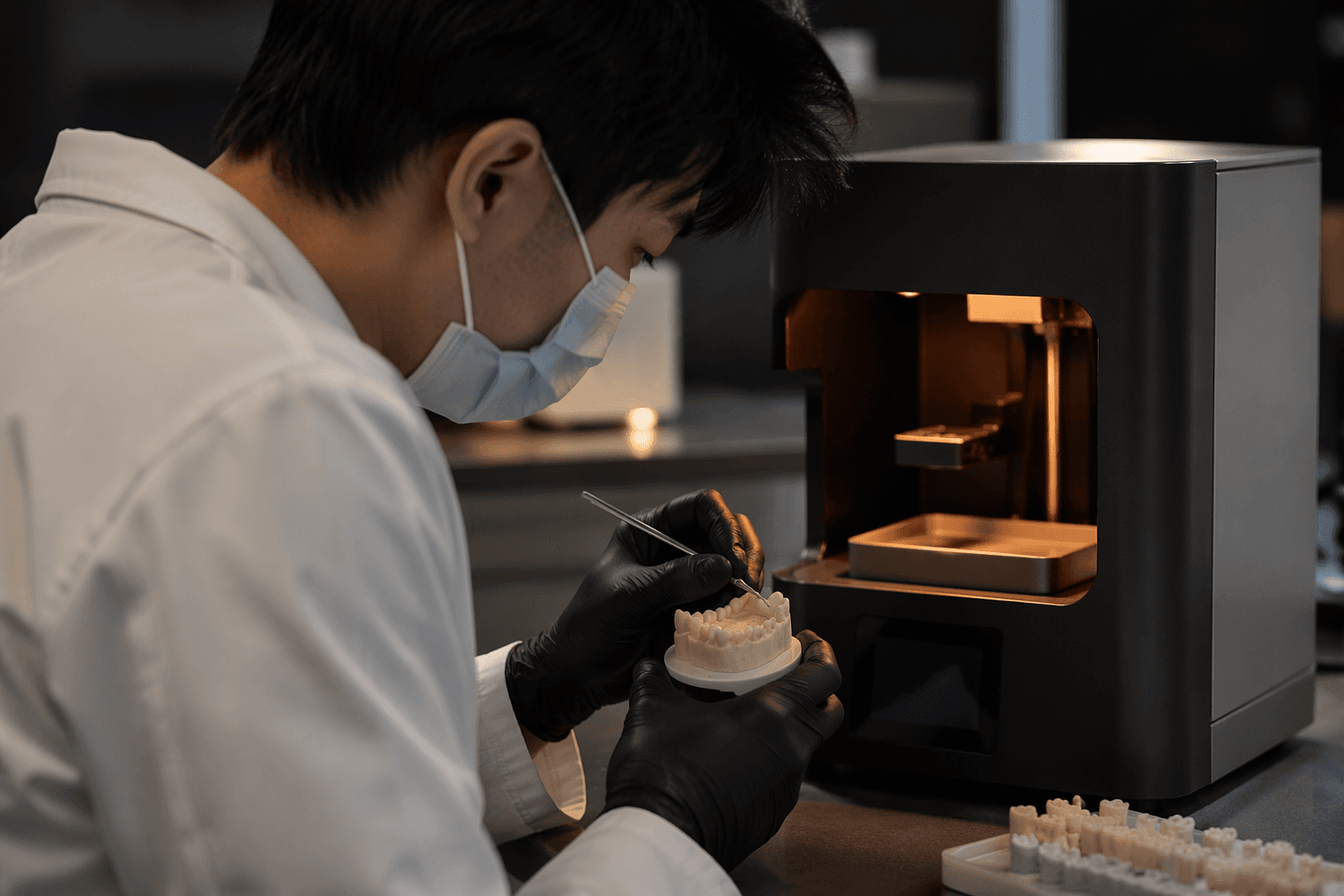
The category is already broader than one company. SprintRay’s Midas uses resin capsules in a chairside dental system and is designed around highly filled restorative materials that are too viscous for a conventional printer. That kind of product design shows where the market is heading: fewer all-purpose compromises, more machines built around a single material and a single workflow.
For the 3D printing world, that is the real story behind Ceramix-Nano. A 2 kg printer that fits on a power bank is not just a dental curiosity; it is evidence that the next wave of fabrication tools may look less like miniature factories and more like specialized appliances, each tuned to one job and expected to do it fast, cleanly and the same way every time.
This article was produced by Prism’s automated news system from verified source data, official records, and press releases, then run through automated quality and moderation checks before publishing. The system is built and supervised by the people who set the standards it runs under. Read our full AI policy.
Did this article answer your question?