Slant 3D turns on-demand printing into replenished parts inventory
Slant 3D’s Slant Box swaps quoting for replenished inventory, with parts shipped in 5 business days and auto-refilled as makers scan QR codes.
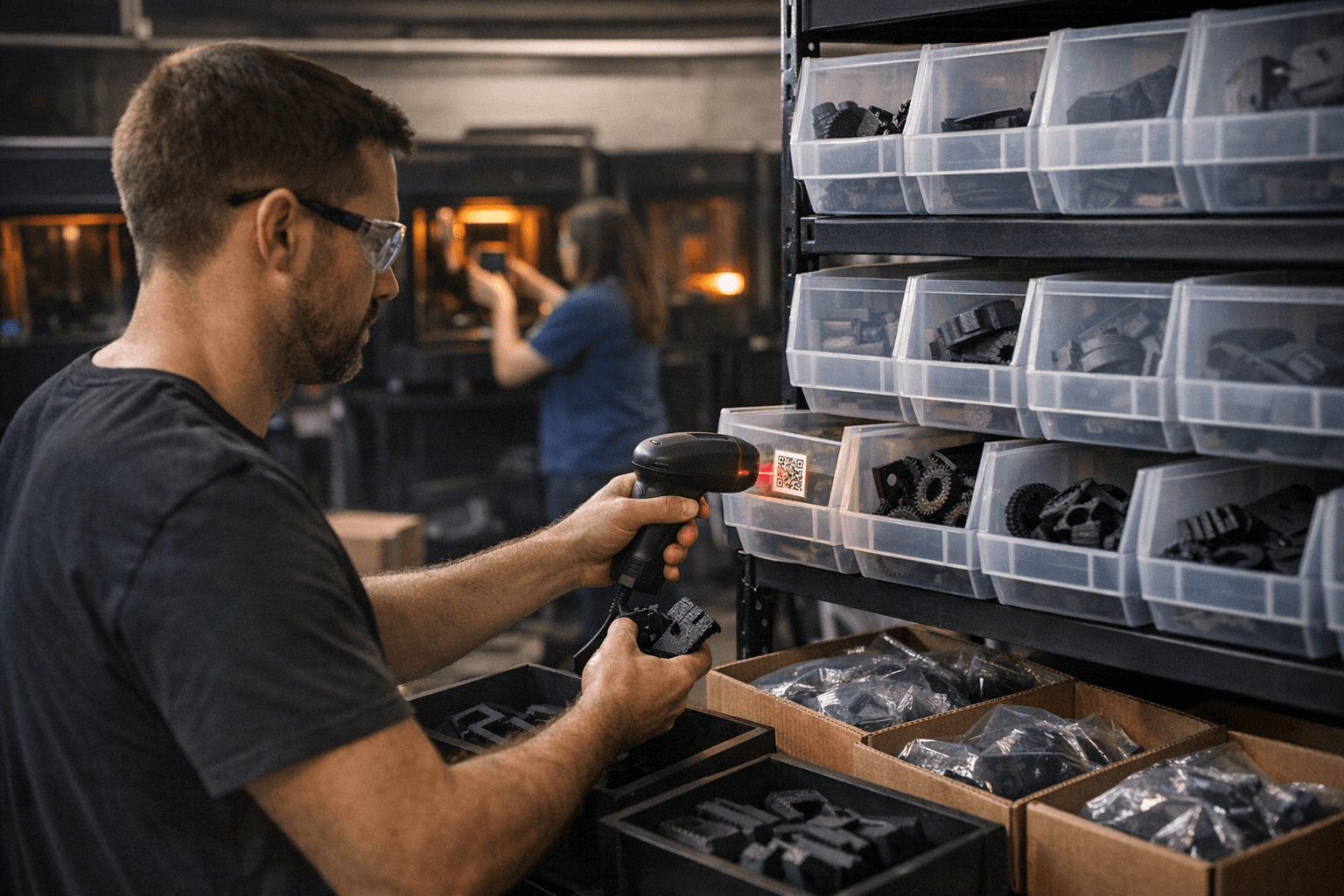
Slant 3D is trying to turn on-demand printing into something that looks much more like a stocked parts bin than a one-off job ticket. With Slant Box, customers upload a file, get an instant per-part estimate, receive parts within 5 business days, and then draw from the shipment at their own pace while scanning a QR code each time a part is removed.
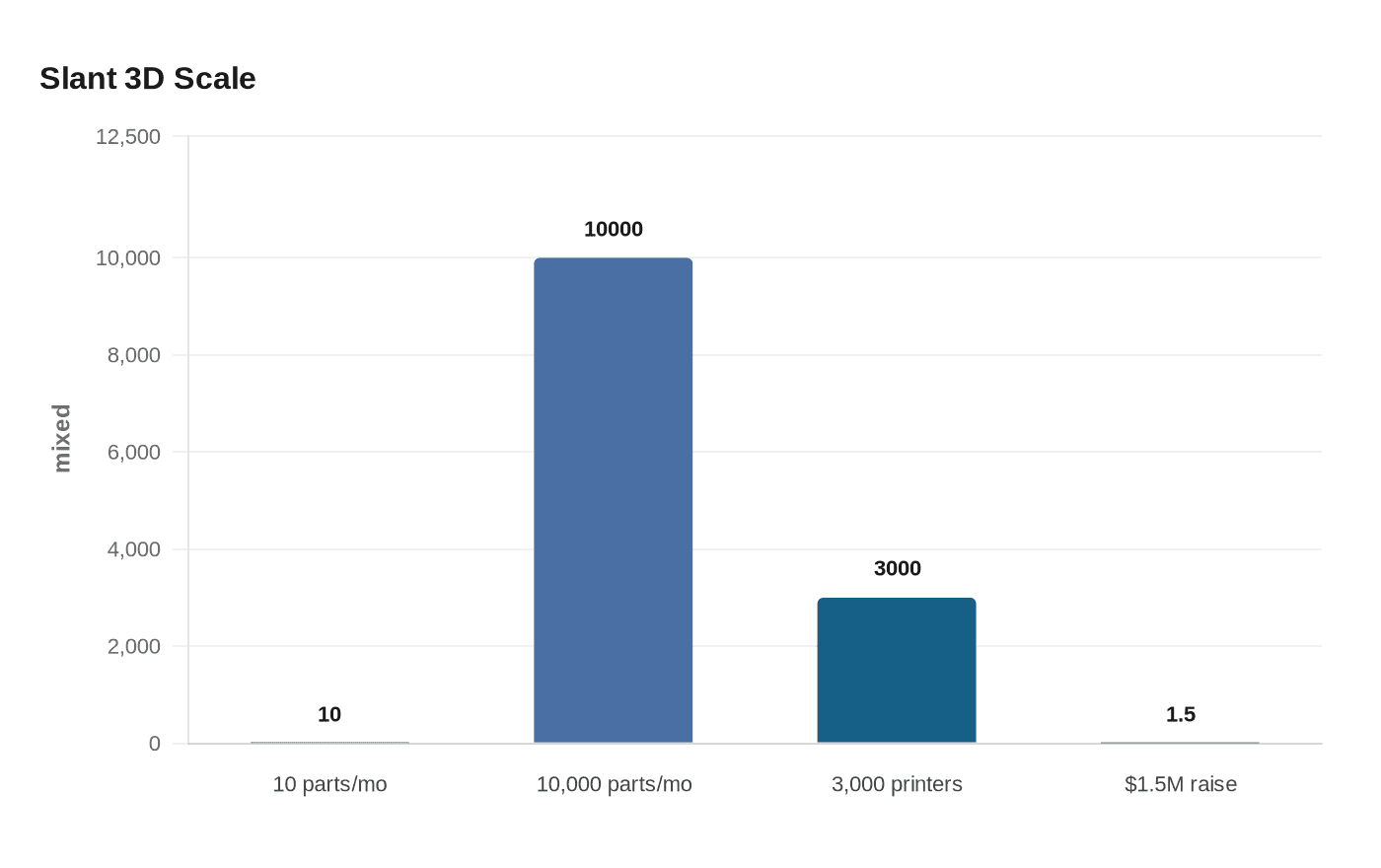
That change matters because it changes the whole rhythm of fulfillment. Instead of asking for a quote, choosing quantity and material, and waiting for a batch run to finish, the customer keeps inventory on the shelf and lets Slant 3D refill it automatically when the box runs low. The company says the model can handle anything from 10 parts a month to 10,000, and that the box “never goes Empty.” For Etsy sellers, creators, and side hustlers selling printed goods, that means fewer stockouts, less reordering friction, and less capital trapped in guessing how many parts to produce next.
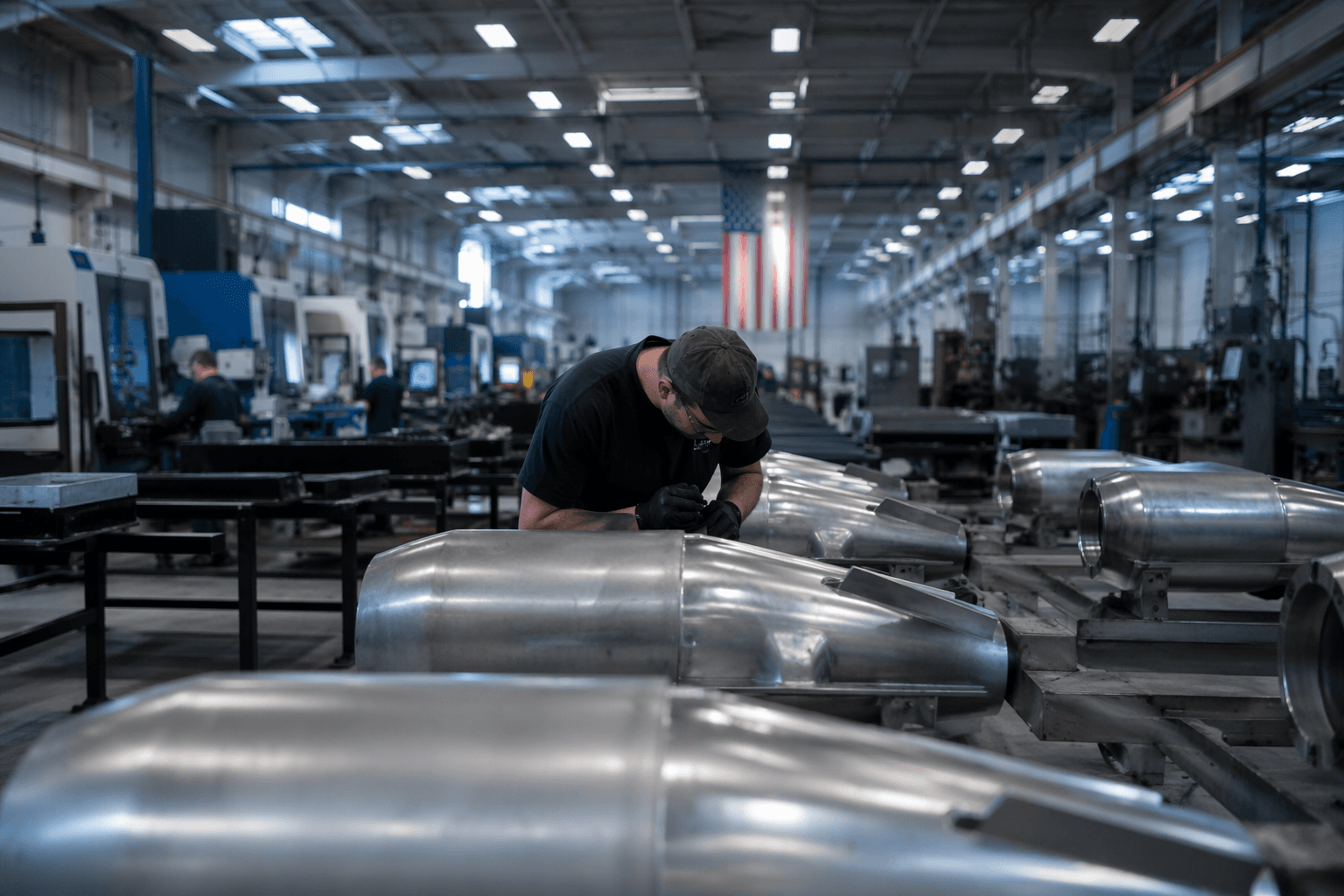
The physical box is meant to look ordinary on purpose, built for workshop use rather than display. That lines up with Slant 3D’s broader pitch: it says it is a high-volume production 3D printing service and an alternative to injection molding, using giant printer farms to produce tens of thousands of parts at a time. Gabe Bentz spun the company out of Slant Concepts in 2017 in Boise, Idaho, after products his team was building needed 3D printing at scale. The Idaho Small Business Development Center says Slant 3D has grown 50% to 80% each year since founding.
The business has kept leaning into scale. In April 2025, Slant 3D raised $1.5 million in a Series A round and said its facilities had capacity for up to 3,000 3D printers, with one expected new factory in Louisville, Kentucky. Bentz has framed the company’s goal bluntly: “We are building a warehouse where the shelves make the product.” Slant Box fits that thinking by treating printed parts like replenishable stock, not a finished batch.
It is also part of a larger service stack. Slant 3D’s Teleport platform lets e-commerce businesses connect a store, upload a model, and ship printed parts directly to customers. Its Portals system lets creators publish products through shareable links and QR codes. Slant Box pushes the same idea one step further, turning the print farm into a recurring supply line that behaves more like retail logistics than a traditional print service.
This article was produced by Prism’s automated news system from verified source data, official records, and press releases, then run through automated quality and moderation checks before publishing. The system is built and supervised by the people who set the standards it runs under. Read our full AI policy.
Did this article answer your question?