SphereneNXT brings browser-based internal design to 3D printing
SphereneNXT pushed internal-structure design into the browser, letting users import CAD, optimize for performance, and export print-ready files without a desktop install.
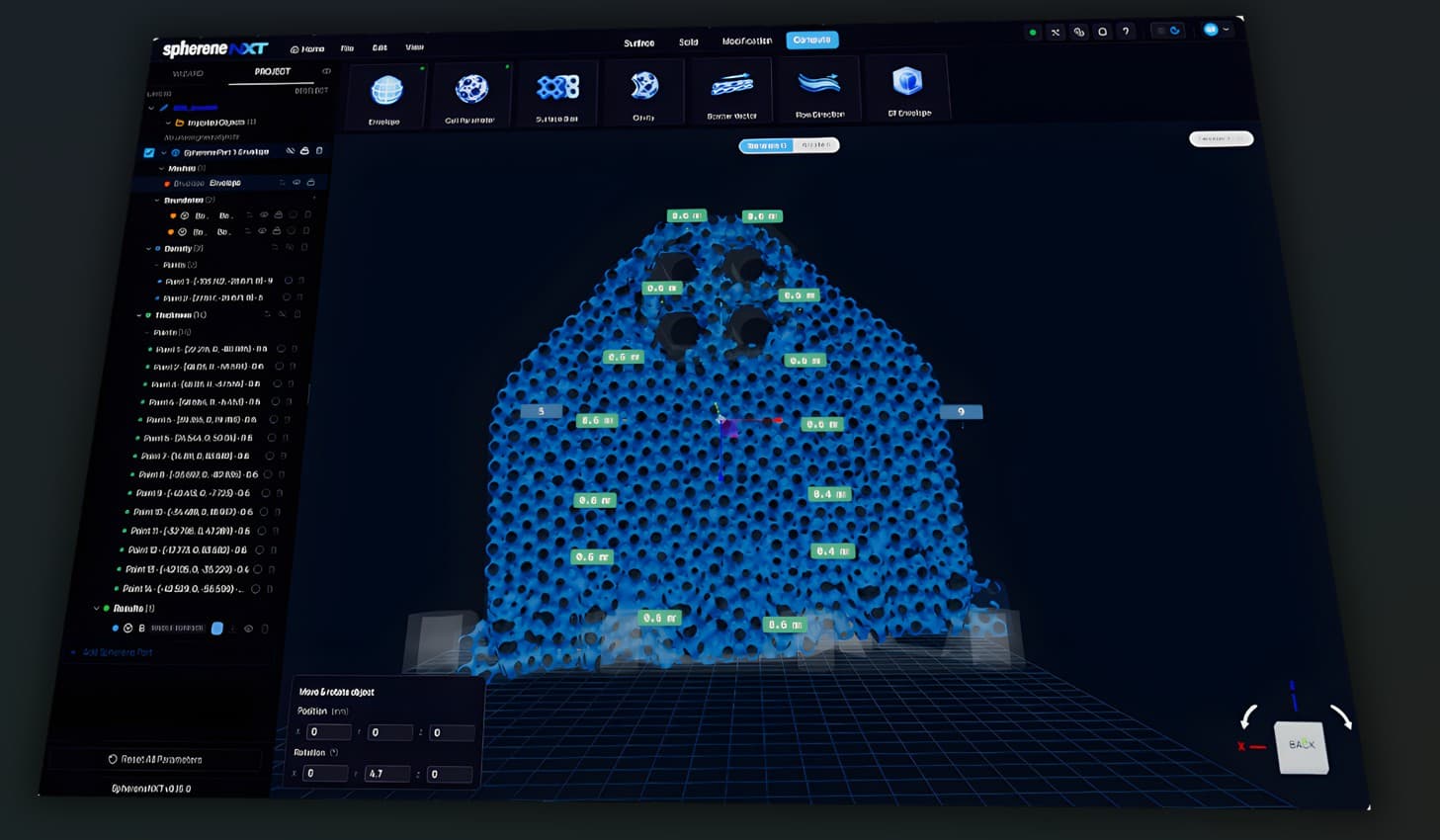
Spherene launched SphereneNXT as its first standalone browser-based platform for designing additively manufactured internal structures, putting lattice and metamaterial work into a web client instead of a heavy desktop workflow. The Zurich-based company says the system is built to let users create, optimize, and control internal geometries in minutes, a pitch that lands squarely in the space between ordinary slicer infill and full custom engineering.
The platform centers on the inside of a part, not just the shell. Spherene says users can import any CAD file, engineer adaptive internal geometries, optimize for strength, weight, temperature, cost, and printability, then export print-ready files for any printer and any material. That matters because the usual route for this kind of work has often meant specialist software, narrow toolchains, or outside consulting rather than something a designer can test in a browser tab.
Spherene describes the broader ambition as “CAD for the inside,” and its ADMS approach is aimed at optimizing stiffness, strength, energy absorption, thermal performance, and weight at the same time. The browser platform page says users can import, design, simulate, and export directly from the browser, while coverage from TCT says SphereneNXT supports ADMS adaptive metamaterial structures, TPMS lattice infills, and field-driven adaptive designs. Spherene’s cloud registration page says access is credits-based, which gives the service a usage model closer to a web platform than a packaged desktop license.
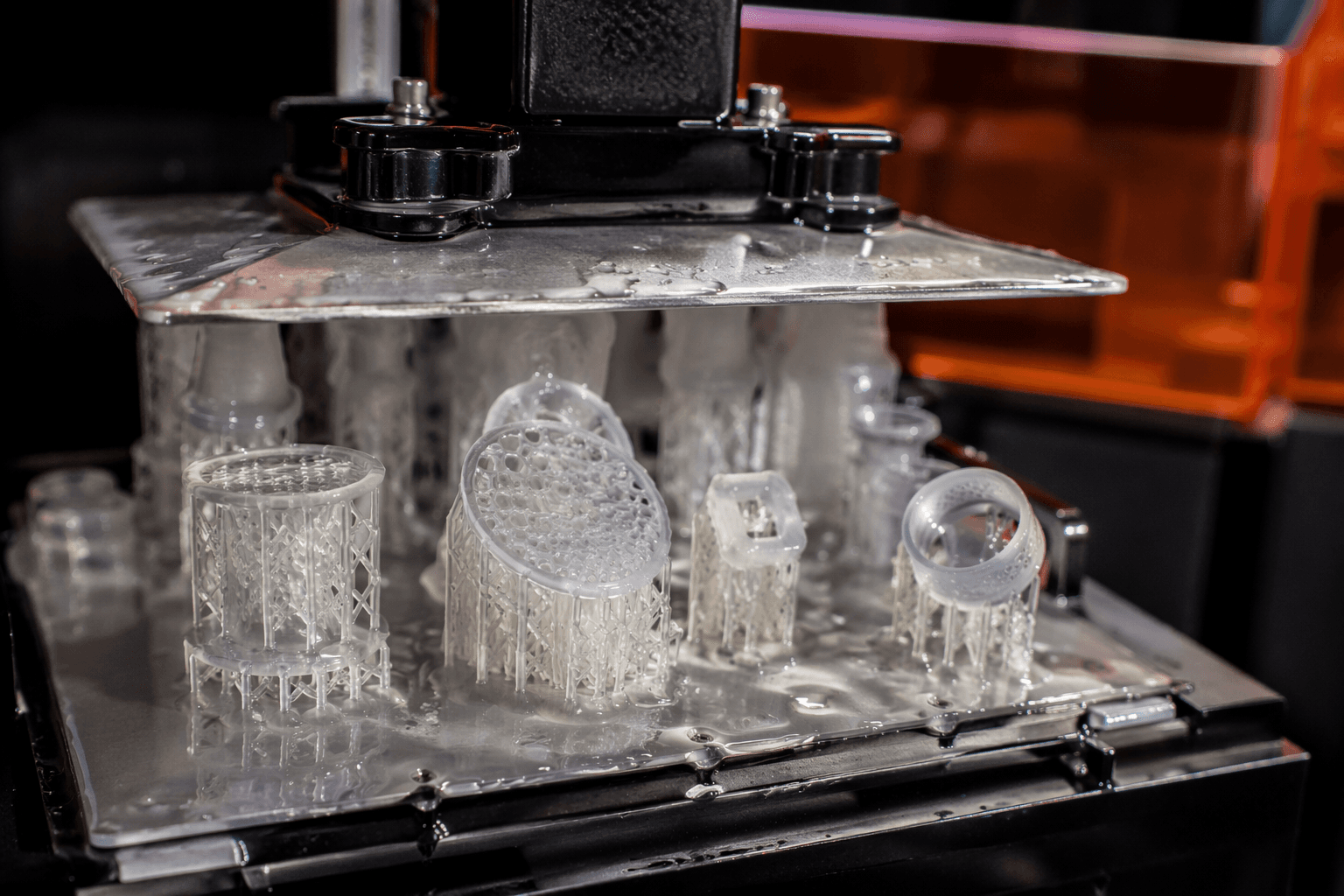
The company’s story began in 2018, and third-party profiles identify Christian Waldvogel as its founder. Spherene also says its Education License Agreement gives students, researchers, and faculty access to ADMS and the full capabilities of SphereneNXT at no cost for educational and research purposes. That opens the door for classrooms and labs to treat internal structure as a design variable, not just a slicer setting.
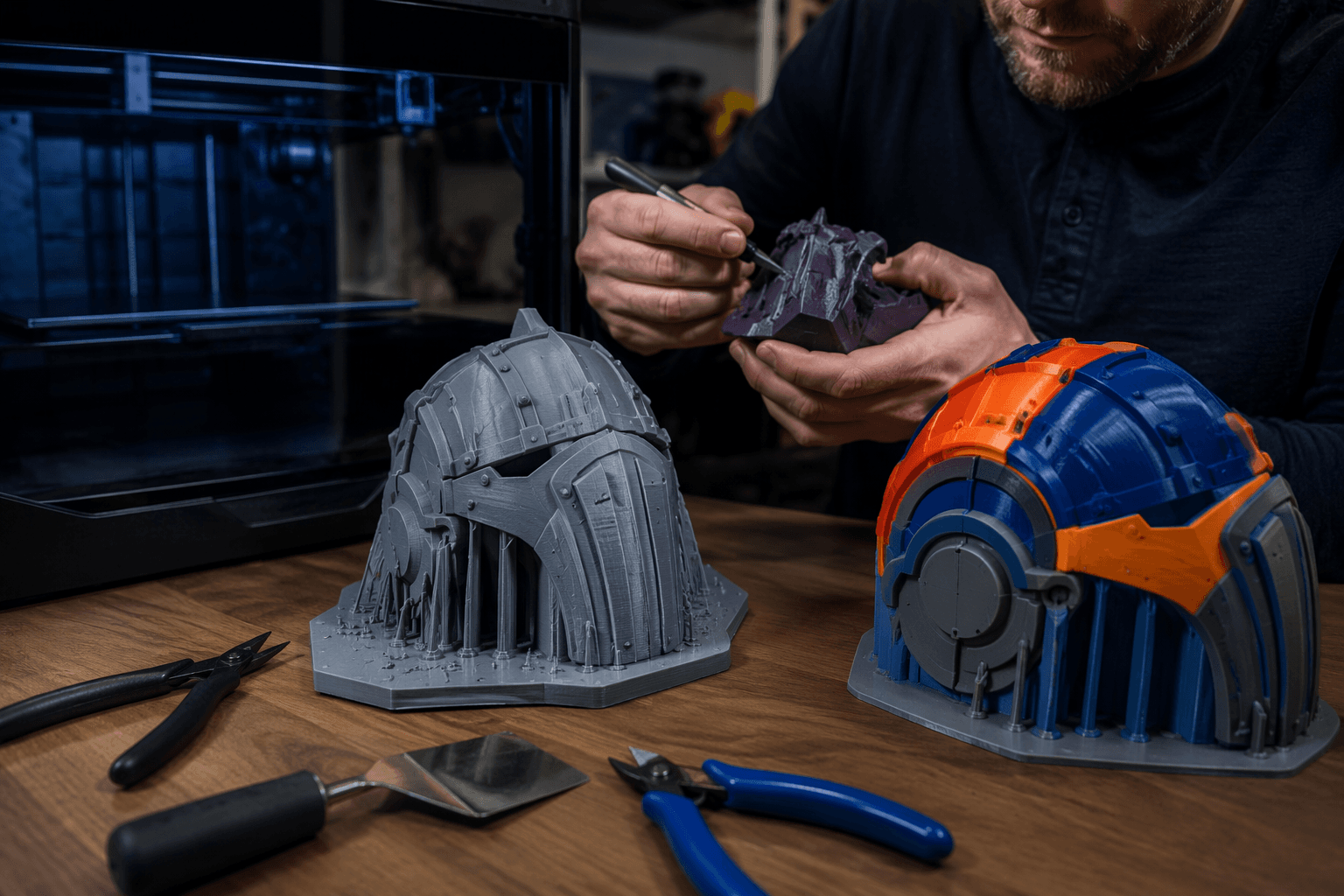
For makers, the practical question is the one Spherene is now trying to answer in software: when is standard infill enough, and when does custom internal geometry earn its keep? For lightweight drone parts, RC components, functional brackets, thermal-management pieces, or prosthetic adapters, the browser-based approach lowers the friction of testing that boundary. It is a direct push to make the inside of a print as deliberate as the outside.
This article was produced by Prism’s automated news system from verified source data, official records, and press releases, then run through automated quality and moderation checks before publishing. The system is built and supervised by the people who set the standards it runs under. Read our full AI policy.
Did this article answer your question?