Stick Tech patent targets easier 3D print removal
A new Stick Tech patent pushes print removal toward controlled flex, aiming to cut scraping, damage, and finger-sore cleanup from everyday FFF workflows.
A small change with a big payoff for desktop printing
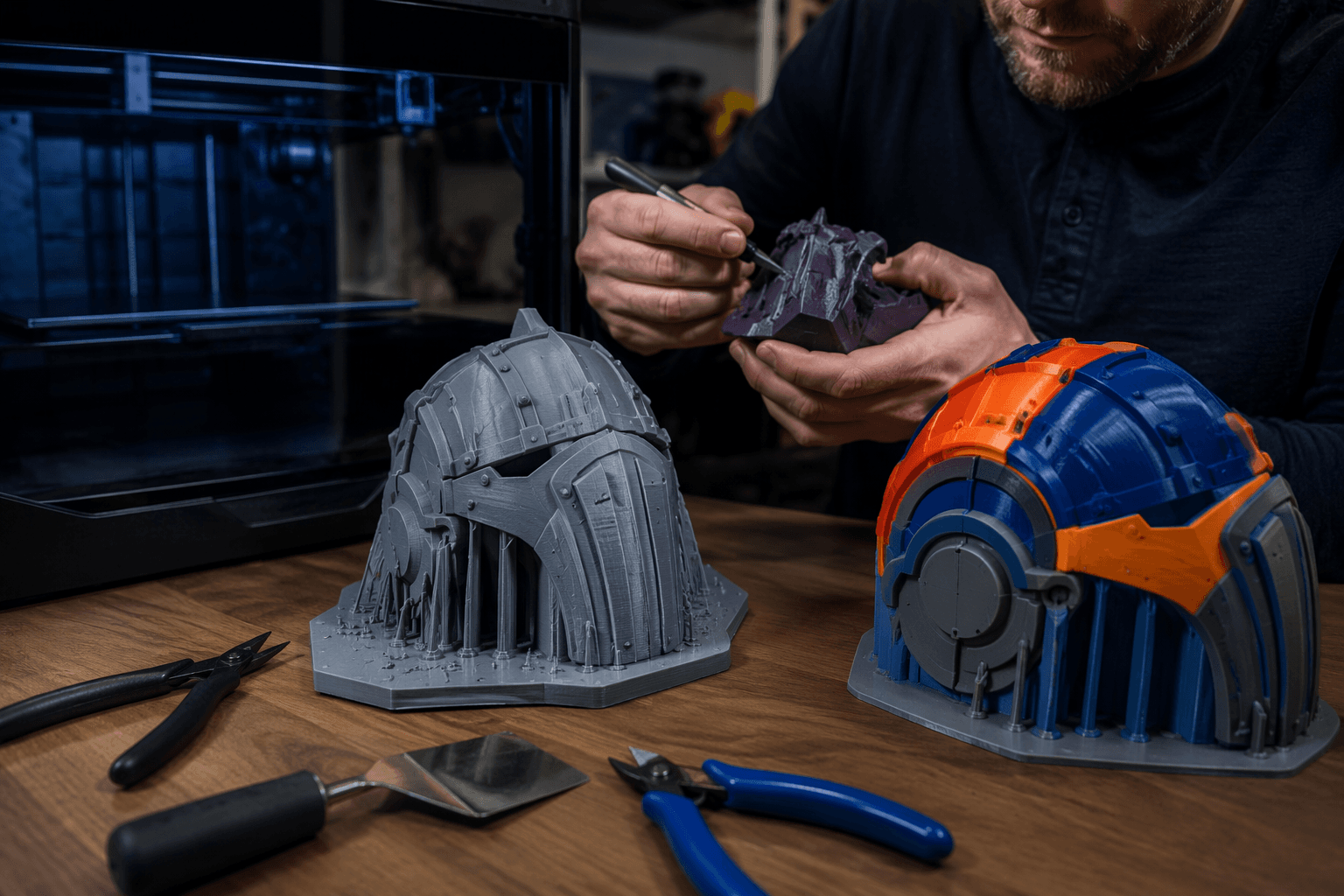
Finished parts that cling too hard to the bed can turn a good print into a frustrating recovery job. Scraping risks gouging the part or the plate, prying can snap thin features, and too much force at the wrong angle can leave a sore thumb or a bent scraper in its wake.
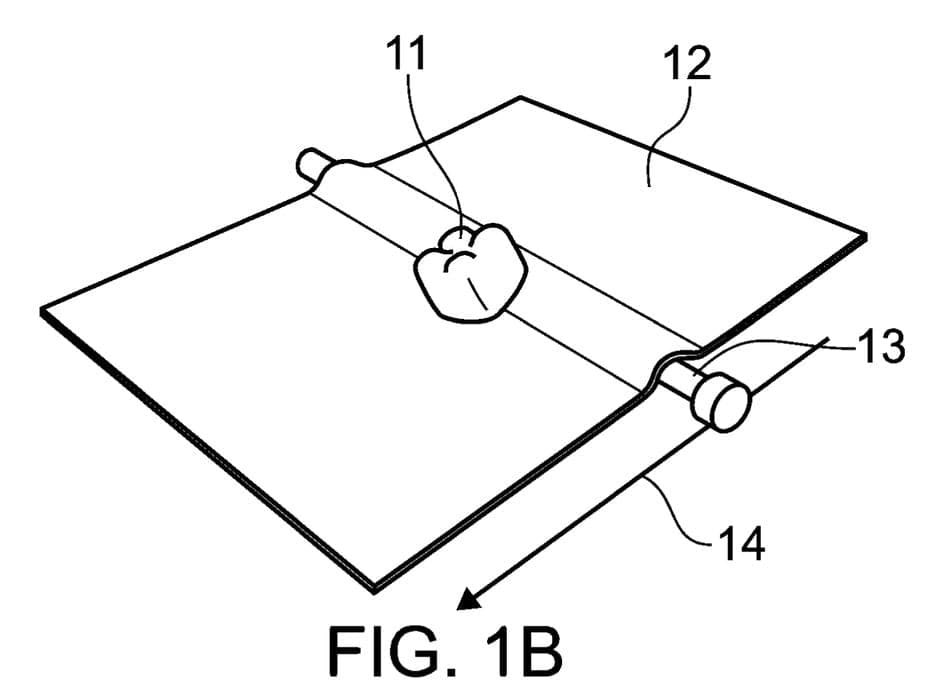
That is the problem Stick Tech is trying to address with a patent application that treats part removal as an engineering challenge, not a nuisance. The filing, European patent application EP-4741139-A1 titled “Method for Printing and Printer,” describes a removable elastomer sheet designed to bend in a controlled way so the printed object releases by deforming the sheet instead of being forced loose by hand.
What the patent is actually proposing
The key detail is that this is not just another flexible build plate. Stick Tech’s approach is about controlled flexure, with the bend behavior itself built into the method of release. One report on the filing says the sheet is intended to bend within an inner bend radius of 50 to 800 percent of the sheet thickness, using the ISO 10619-1:2018 method B framework as a reference for that mechanical response.
That distinction matters because many users already know the broad idea of a flex plate. Spring-steel systems, magnetic plates, textured sheets, glue layers, and cooling tricks all help parts let go, but they still depend on a mix of guesswork, material choice, and user technique. Stick Tech’s filing suggests a more deliberately engineered release surface, where the material response is part of the solution rather than an afterthought.
For everyday desktop FFF workflows, that could mean fewer damaged corners, fewer print beds covered in scars, and less time spent wrestling a part loose after a machine has already done the hard work.
Why part removal is still a real bottleneck
Part release is one of those hidden chores that rarely gets top billing, yet it can slow a printer just as effectively as a clogged nozzle or a failed first layer. A machine may finish a job quickly, but if the next step is careful scraping, bending, and cleanup, the total turnaround time still stretches out.
That is why this idea resonates beyond a simple patent filing. A sheet that allows a printer, conveyor, or post-processing station to release parts more automatically could reduce manual touch time in print farms and in repeated small-part production. It also has obvious appeal in resin workflows, where Stratasys has said manual removal methods can be labor-intensive and can slow production.
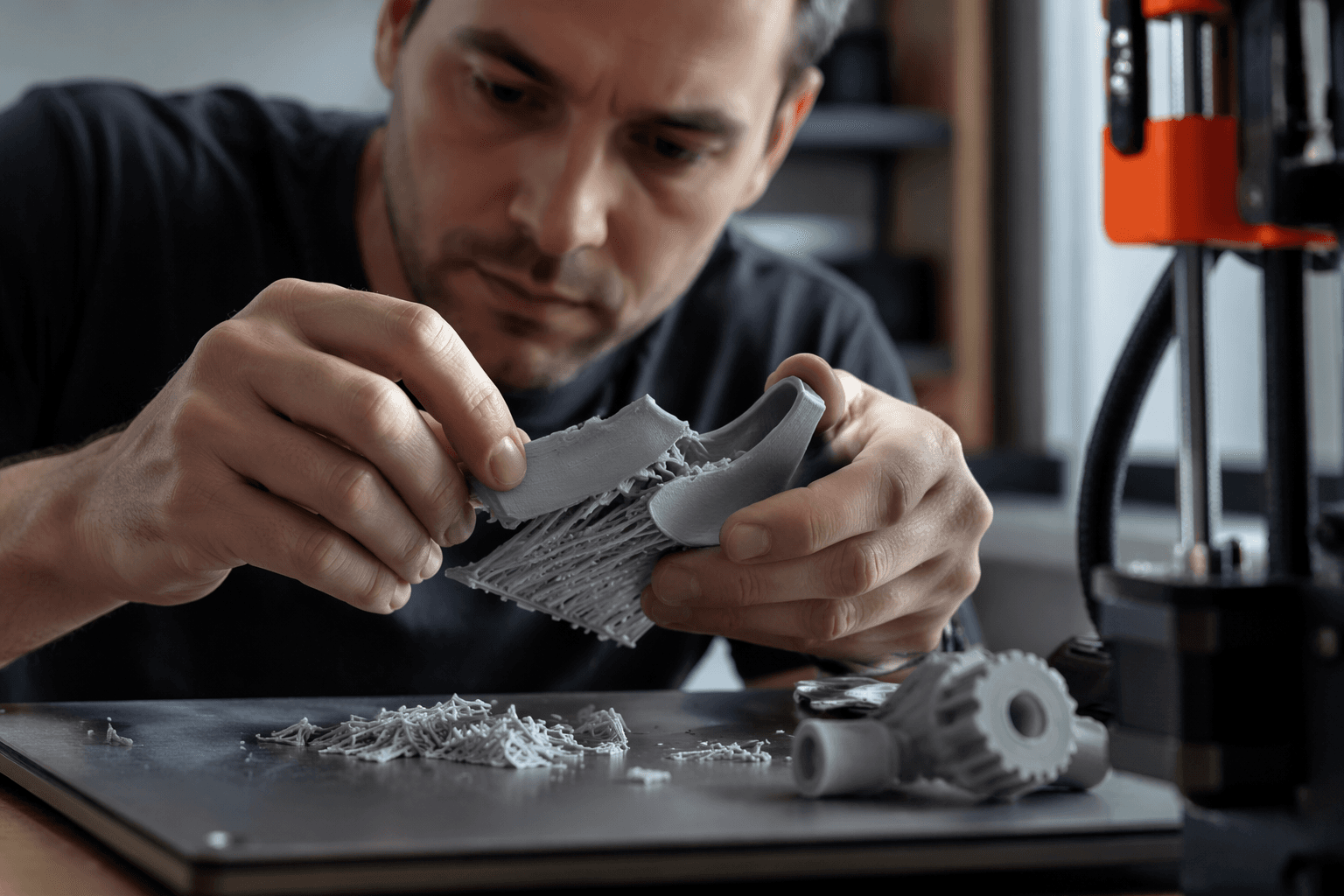
In other words, the pain point is not just inconvenience. It is throughput. Every minute spent prying a part off the surface is a minute not spent making the next one.
How this compares with what makers already use
The community already has a toolbox for easier release. Flexible build plates are common. Textured surfaces can help parts pop off once cooled. Adhesives can be tuned to hold just enough, then release with a snap. Some users rely on temperature changes or a bend in the plate to make removal easier.
Stick Tech’s patent sits in that same world, but it tries to tighten the mechanics around the release step. Instead of simply being flexible, the sheet is described as having a controlled bend response. That matters if the goal is predictable removal, not just occasional success.
Google Patents also shows that removable build plates and flexible mounting systems are not new territory. Earlier ideas have focused on even heating, magnetic attachment, and general convenience. What stands out here is the emphasis on how the sheet bends, not just that it bends at all.
Why automation vendors are paying attention
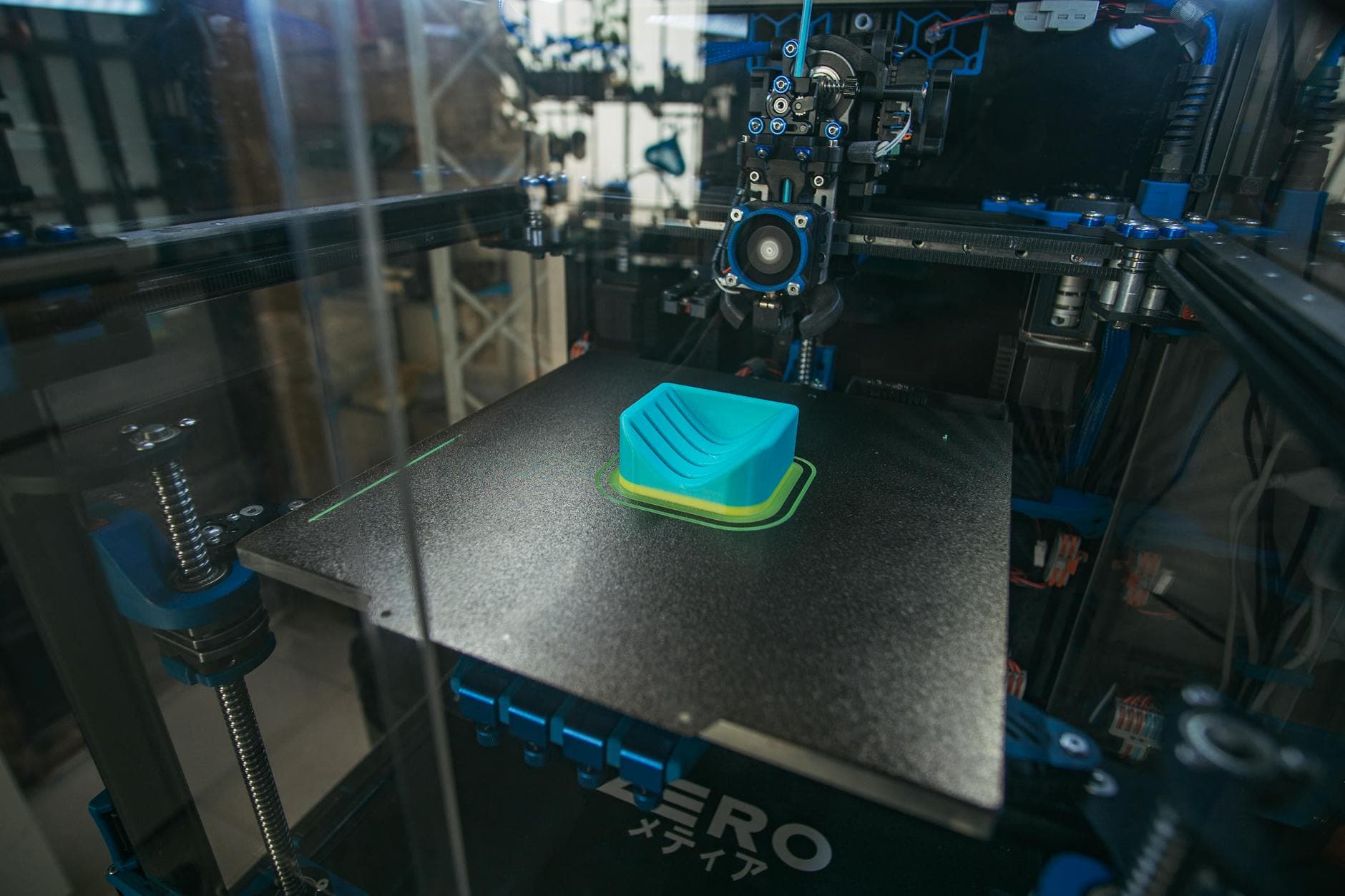
The patent lands in a broader industry push to cut operator time and keep machines running. Automation vendors are actively marketing systems designed to reduce printer idle time and minimize the need for a human to step in after every job. The theme is the same across the segment: fewer interruptions, less handling, more continuous output.
DHR Engineering offers a useful example of how quickly that mindset is spreading. What began as a 20-printer setup has grown into a fully automated 3D print farm with 44 machines. That kind of scaling makes every manual step more expensive, because a small task repeated dozens of times a day becomes a major labor sink.
Seen through that lens, Stick Tech’s filing is not just about smoother hobby printing. It points at a quality-of-life battleground that matters to anyone trying to run a printer like a production tool instead of a weekend gadget.
Why Stick Tech is worth watching
Stick Tech is not a newcomer dabbling in additive manufacturing on the side. The company was founded in 1997 and is headquartered in Turku, Finland. Public company profiles describe its historical focus as dental fibre reinforcement products, and one patent database profile lists roughly 165 patents overall.
Recent company records put its workforce at about 8 people, with revenue around €1.27 million to €1.3 million in the latest reported period. That is a small company by headcount, but it has the profile of an IP-heavy materials business, which makes the patent application feel more grounded in materials engineering than in printer marketing hype.
That background also helps explain the emphasis on the sheet itself. A company that lives and dies by material behavior is likely to care about bend response, repeatability, and release performance in a way that goes beyond a generic hardware accessory pitch.
What to watch if this idea reaches the market
For users, the big question is not whether controlled flex sounds clever. It is whether it survives real print conditions.
- Will the sheet keep its release behavior after repeated bending
- Can it handle small parts without distorting them
- Will it integrate with automated handling systems as easily as a spring-steel plate
- Does it outperform textured sheets, glue layers, or cooling-based release tricks in day-to-day use
Those are the tests that matter in the workshop, on the bench, and in a print farm. If the concept holds up, it could make part removal feel less like post-processing and more like part of the print job itself.
And that is the real promise here: not a flashy new surface, but fewer damaged prints, fewer scuffed plates, and fewer fingers forced into the awkward little battle between a finished part and the bed that is holding it hostage.
This article was produced by Prism’s automated news system from verified source data, official records, and press releases, then run through automated quality and moderation checks before publishing. The system is built and supervised by the people who set the standards it runs under. Read our full AI policy.
Did this article answer your question?