Stratasys revenue dips as defense and drone demand grows
Printer sales cooled, but Stratasys Direct grew 23% as drone-related parts stayed a bright spot and the company kept its 2026 outlook intact.
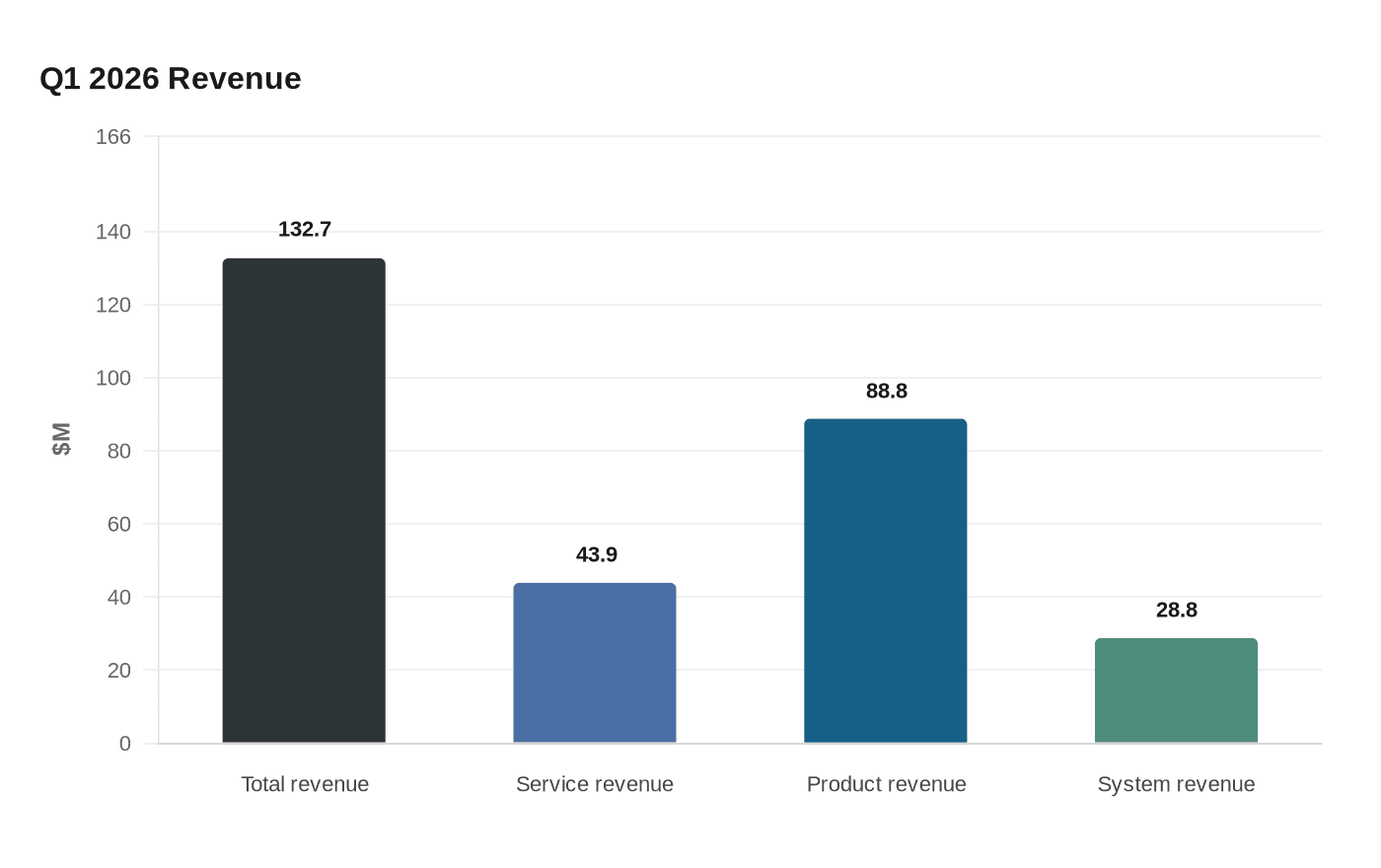
Stratasys is finding more traction in parts and services than in fresh hardware orders. First-quarter 2026 revenue slipped to $132.7 million from $136.0 million a year earlier, while service revenue rose to $43.9 million even as product revenue fell to $88.8 million and system revenue dropped to $28.8 million.
The profit picture softened too. Stratasys posted a GAAP net loss of $23.8 million, or $0.28 per diluted share, and a non-GAAP net loss of $1.3 million, or $0.01 per share. Adjusted EBITDA came in at $2.0 million, down from $8.2 million a year earlier, and gross margin declined to 41.7 percent, with non-GAAP gross margin at 46.3 percent. Management said foreign exchange pressure and tariffs weighed on the quarter, but the company still generated $2.4 million in operating cash flow and ended March 31 with $237.8 million in cash, equivalents and short-term deposits and no debt.
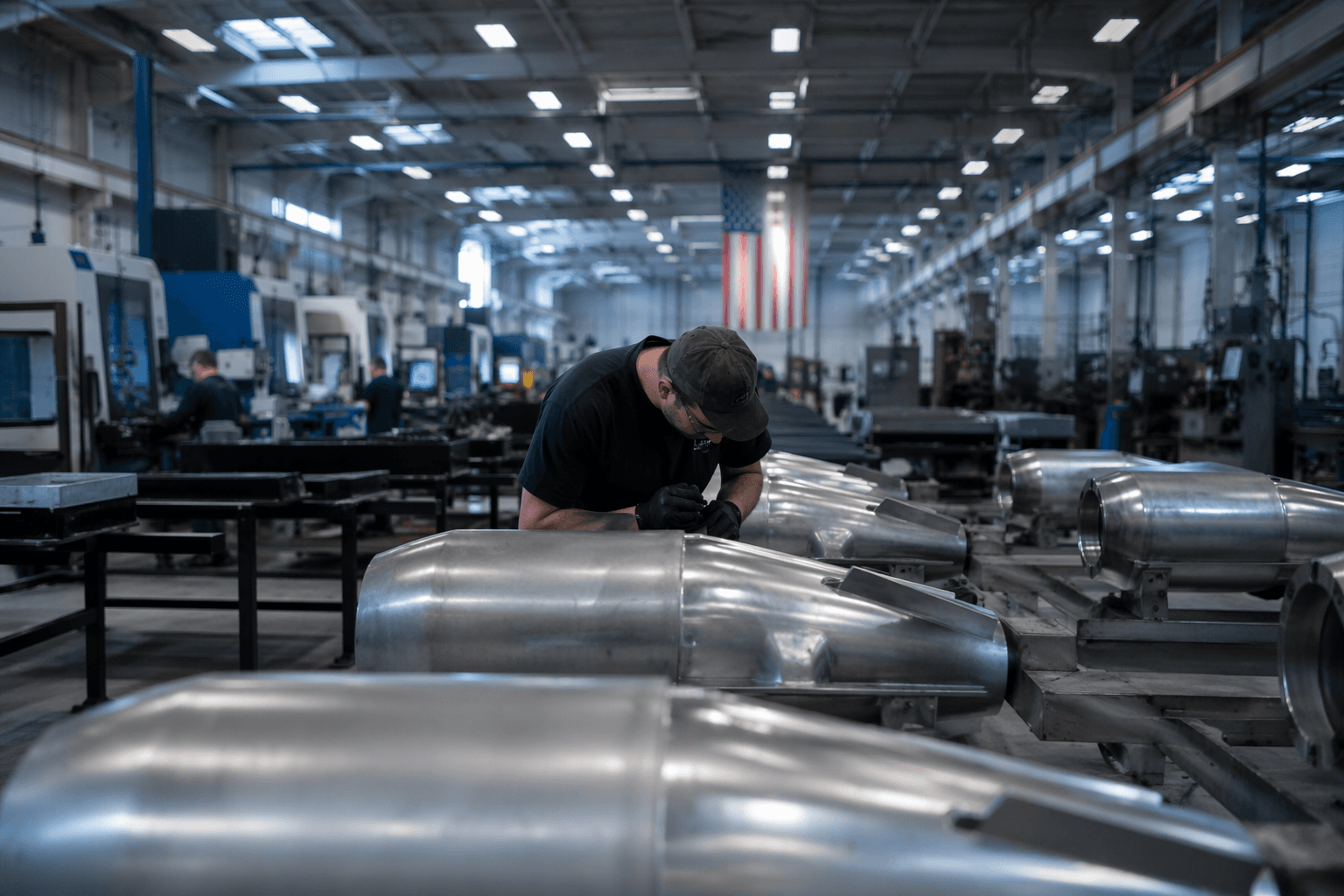
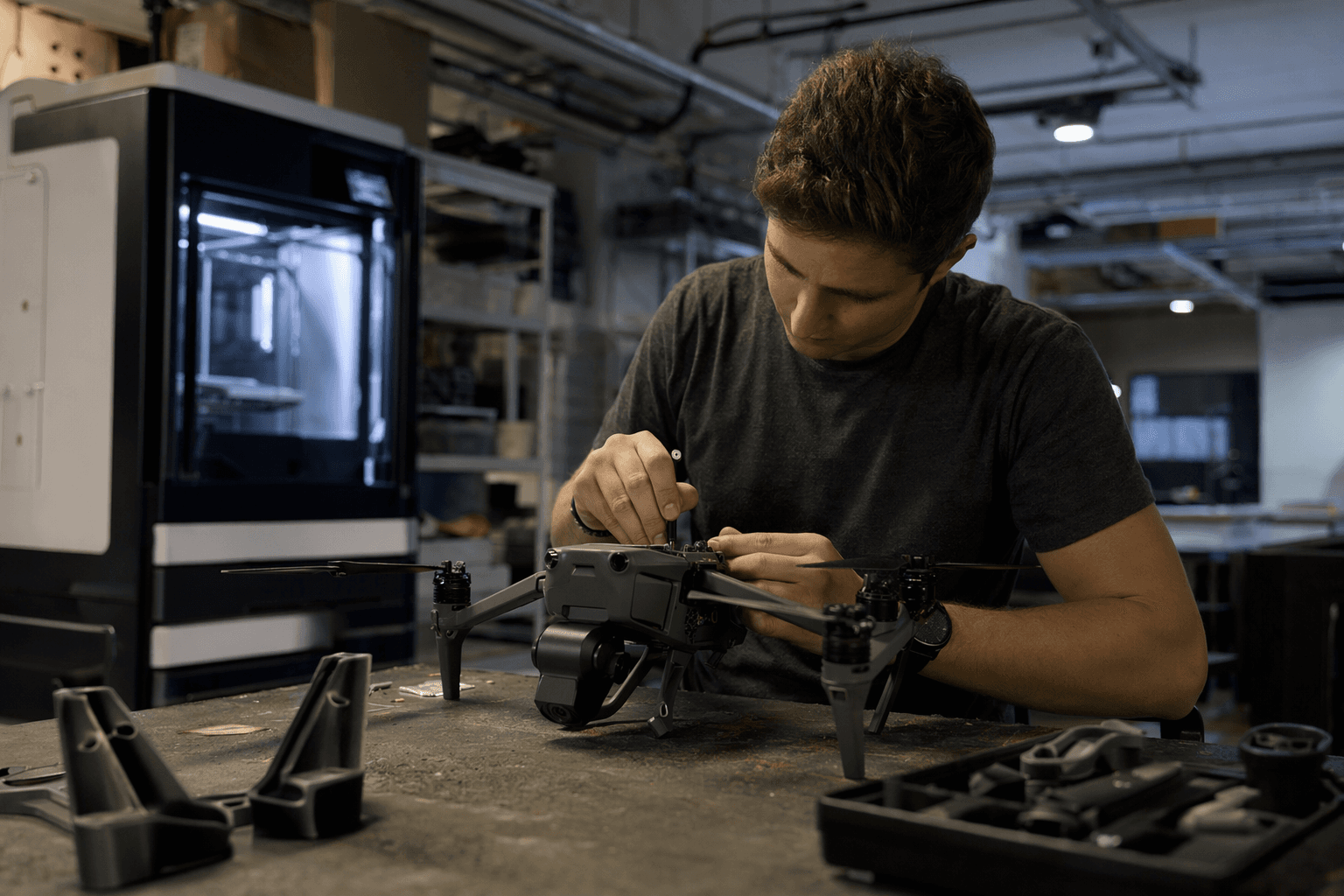
The clearest strength was Stratasys Direct. CEO Yoav Zeif said the business delivered 23 percent organic growth year over year, with over 10 percent sequential growth, and said the top three parts customers were again all U.S.-based drone-related companies. That matters because it points to where additive is still winning work: lightweight end-use parts, fast turnaround, and supply-chain flexibility in aerospace and defense. Stratasys also said its pipeline in high-requirement applications, especially defense, continued to build, and the company said it expects to win prominent contracts in 2026 and beyond. Earlier this year, Stratasys Direct was selected for a multi-million-dollar U.S. Department of War additive manufacturing program, adding another signal that the defense side of the business is becoming more than a side note.
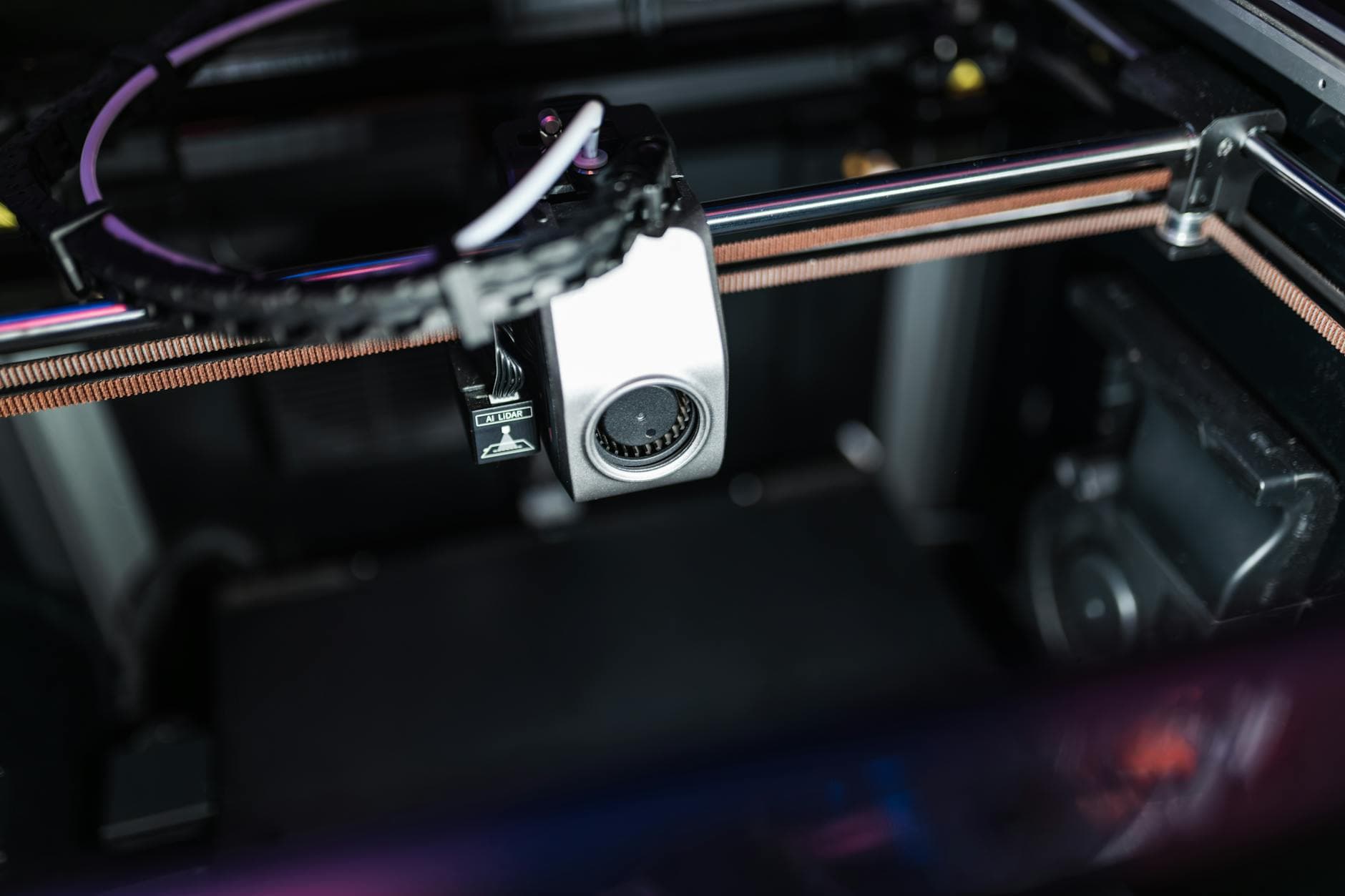
At the same time, Stratasys is trying to meet buyers where they are. On April 9, the company introduced the PolyJet J850 Core, a lower-cost printer aimed at functional prototyping, alongside new software and materials for industrial and medical additive manufacturing. The move fits a market where many customers are stretching hardware cycles and putting more weight on applications that solve immediate production problems.
Stratasys reiterated full-year 2026 revenue guidance of $565 million to $575 million and said results should improve sequentially through the year, while warning that tariffs and foreign exchange could trim about $7 million from non-GAAP gross margin versus 2025. The message from the quarter is clear: the money is not rushing into new printers as fast as it is flowing into parts, materials, and the jobs those machines are built to do.
This article was produced by Prism’s automated news system from verified source data, official records, and press releases, then run through automated quality and moderation checks before publishing. The system is built and supervised by the people who set the standards it runs under. Read our full AI policy.
Did this article answer your question?