Superfeet brings custom 3D-printed insoles to iPhone foot scans
Superfeet turned custom insole fitting into an iPhone scan, then left the hardest parts, fit, materials and repeatability, in its own factory workflow.
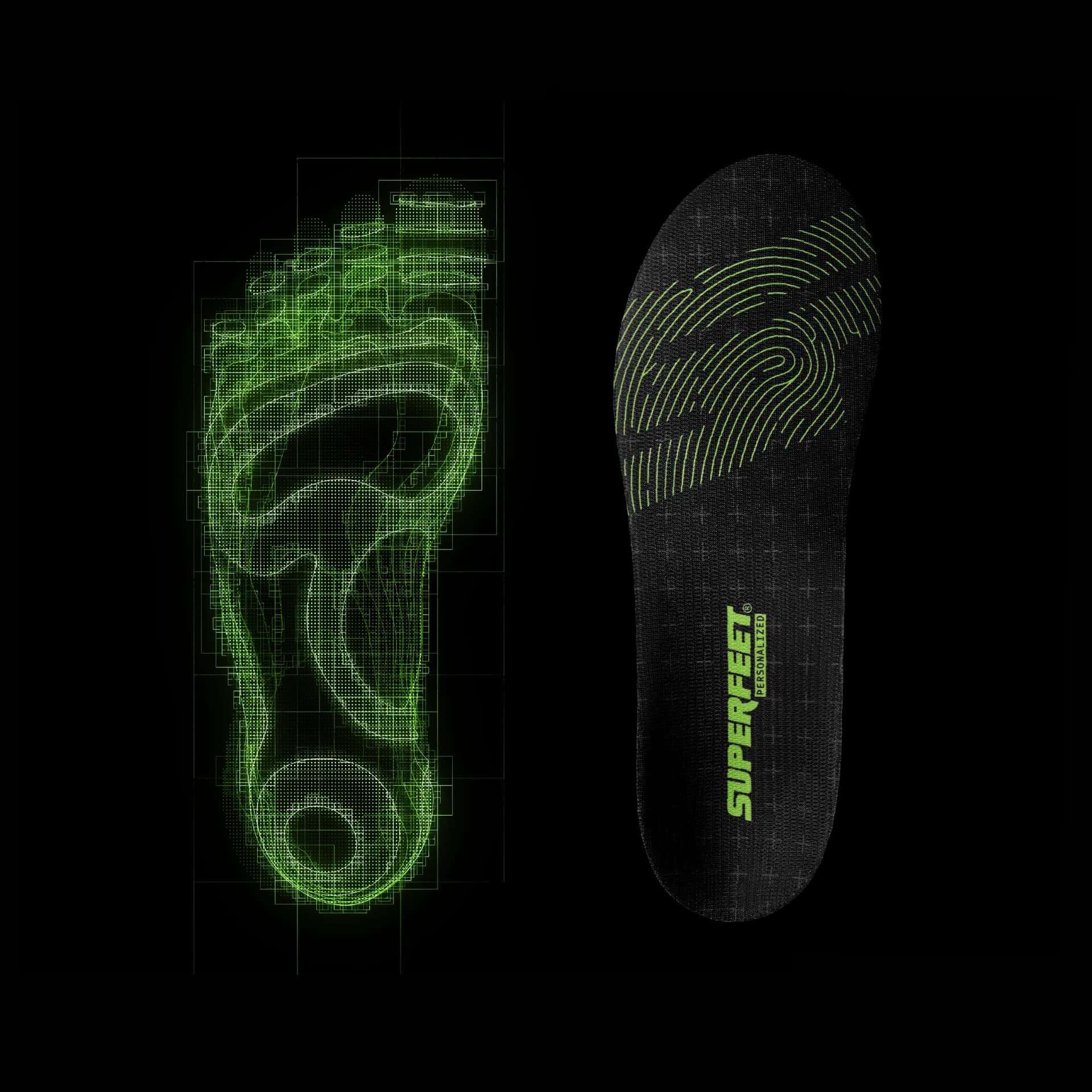
Superfeet has pushed custom insole fitting to the point where an iPhone scan can replace a clinic visit, but the story is bigger than convenience. The company’s ME3D update takes a workflow that once lived in specialty retail and compresses it into a phone-based order path on superfeet.com, with a made-to-order result aimed squarely at runners who want personalization without the appointment.
The company announced the mobile enhancement on June 2, 2026, and said home scanning works with an iPhone 13 or newer running iOS 26. No standalone app is required. Users scan their feet on the web, review a profile that includes shoe size and arch height, preview the insole rendering, and then choose between foam configurations built for different activity levels and fit preferences. Superfeet says orders arrive in 5 to 10 business days.
For makers, the important part is not just that the scan starts on a phone. It is what happens after that. Superfeet says its fit system captures dimensions beyond basic length, including width, instep height and arch height, then feeds those measurements into a proprietary algorithm rooted in podiatric data and biomechanical research. That is the kind of closed-loop fitting logic hobby 3D printing still struggles to replicate at home, where accurate scanning, material safety, fit validation and repeatable output usually turn a simple idea into a long calibration cycle.
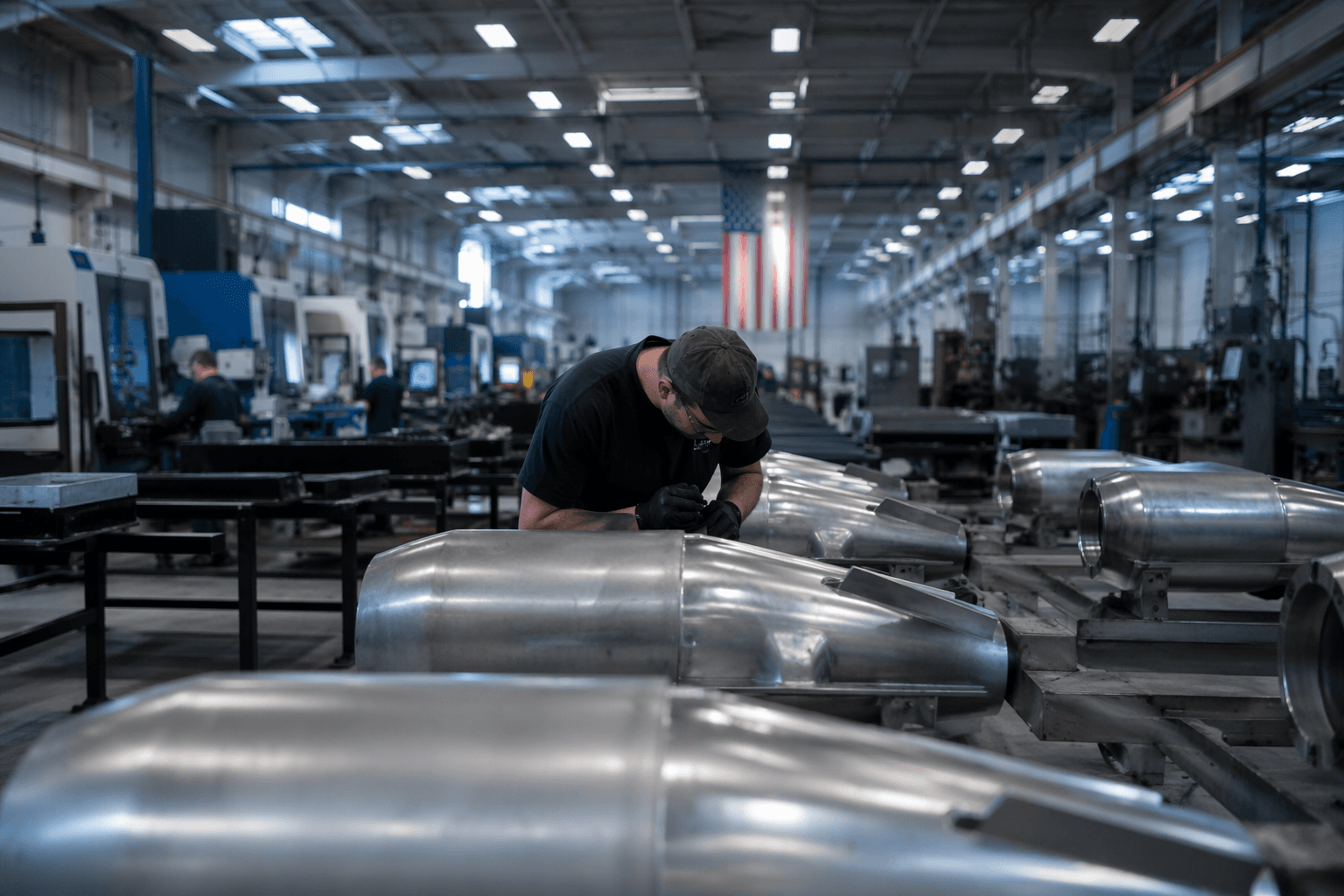
Superfeet is also treating the product like a true individualized build, not a resized stock part. The insoles are manufactured in Bellingham, Washington, and the company describes ME3D as a one-of-one personalization system. Pricing runs from $109.99 to $139.99 for personalized ME3D insoles, while the ME3D Max version is listed at $149.99 in at least one retail channel. A custom heel engraving option pushes the product even further into bespoke territory.
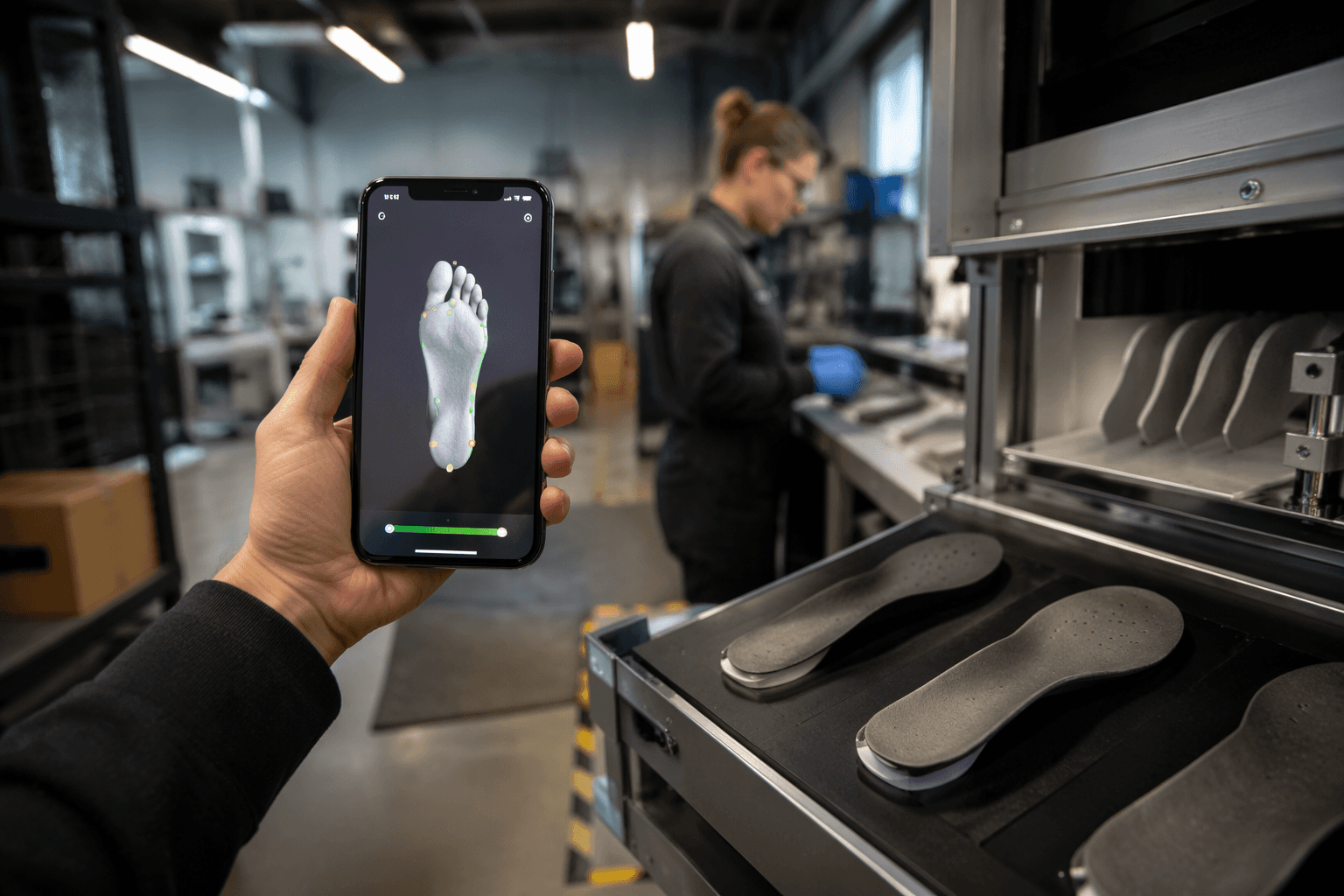
The material and geometry choices show where the commercial service still does work that a home printer would have to solve. SuperRev is positioned as the lighter, lower-profile option for tighter shoes, while SuperRev Max uses a beaded foam matrix for more rebound and energy return. The support cap includes a custom arch profile, a stability lattice that scales with body mass and a heel cutout meant to absorb impact while keeping flexibility. That is a lot more than a cosmetic scan-and-print exercise.
Superfeet is not abandoning the retail side, either. The company continues to offer in-store ME3D scanning at select specialty run retailers, including partners such as Fleet Feet, which keeps the experience hybrid rather than fully digital. That balance matters: the iPhone workflow makes custom insoles feel fast and accessible, but the finished product still depends on Superfeet’s scanning logic, materials and manufacturing discipline. It is a strong glimpse of where consumer personalization is headed, and a reminder that the path from foot scan to reliable 3D-printed fit is still mostly controlled by the factory.
This article was produced by Prism’s automated news system from verified source data, official records, and press releases, then run through automated quality and moderation checks before publishing. The system is built and supervised by the people who set the standards it runs under. Read our full AI policy.
Did this article answer your question?