Ukraine’s 3D-printed Sting drones intercept Russian Shahed attacks
Sting’s cheap 3D-printed interceptor drones are turning Ukraine’s air defense into a fast, low-cost production race, with 3,000-plus kills in seven months.
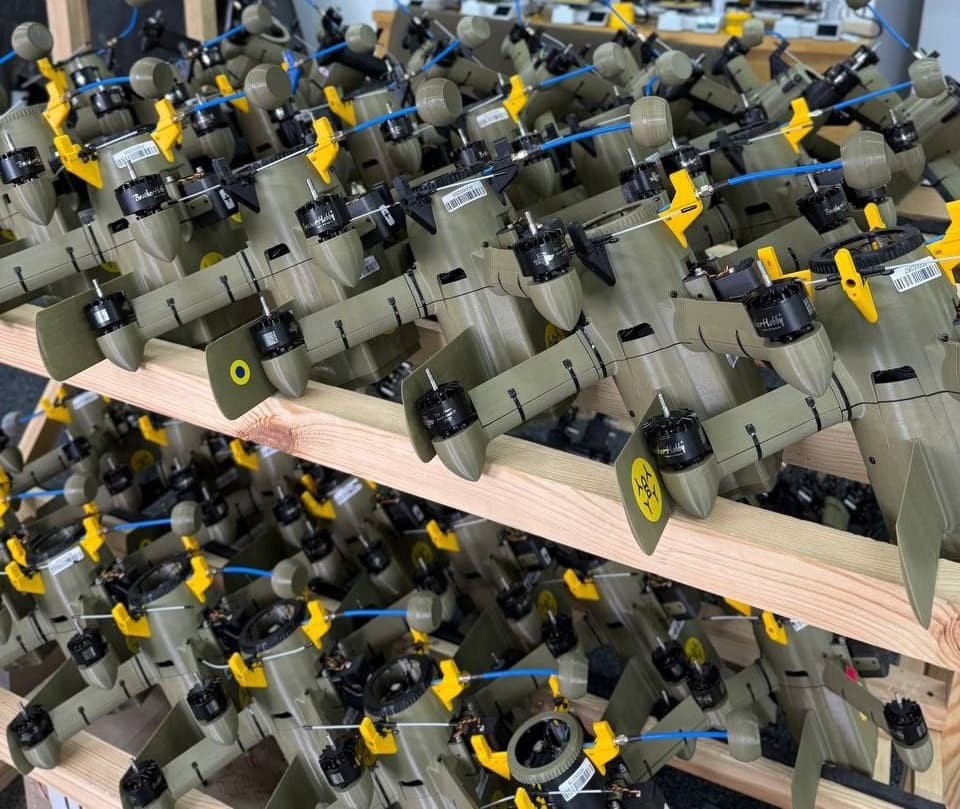
Ukraine’s Sting interceptor drones are showing how 3D printing can tilt the balance in fast hardware development: Wild Hornets says the domestically produced quadcopters cost less than one-tenth as much as the Shahed drones they are built to destroy, and the system has already accounted for more than 3,000 enemy drones in its first seven months.
The attraction is not spectacle. It is iteration. Sting’s 3D-printed components, a reported maximum speed of 280 km/h, and a typical training time of about six days for qualified FPV operators point to a platform designed to move quickly from redesign to deployment. Wild Hornets says the interceptor has been hitting 80% to 90% of targets, depending on the unit, which is the kind of reliability that matters when a cheaper air-defense layer has to scale faster than the threat.
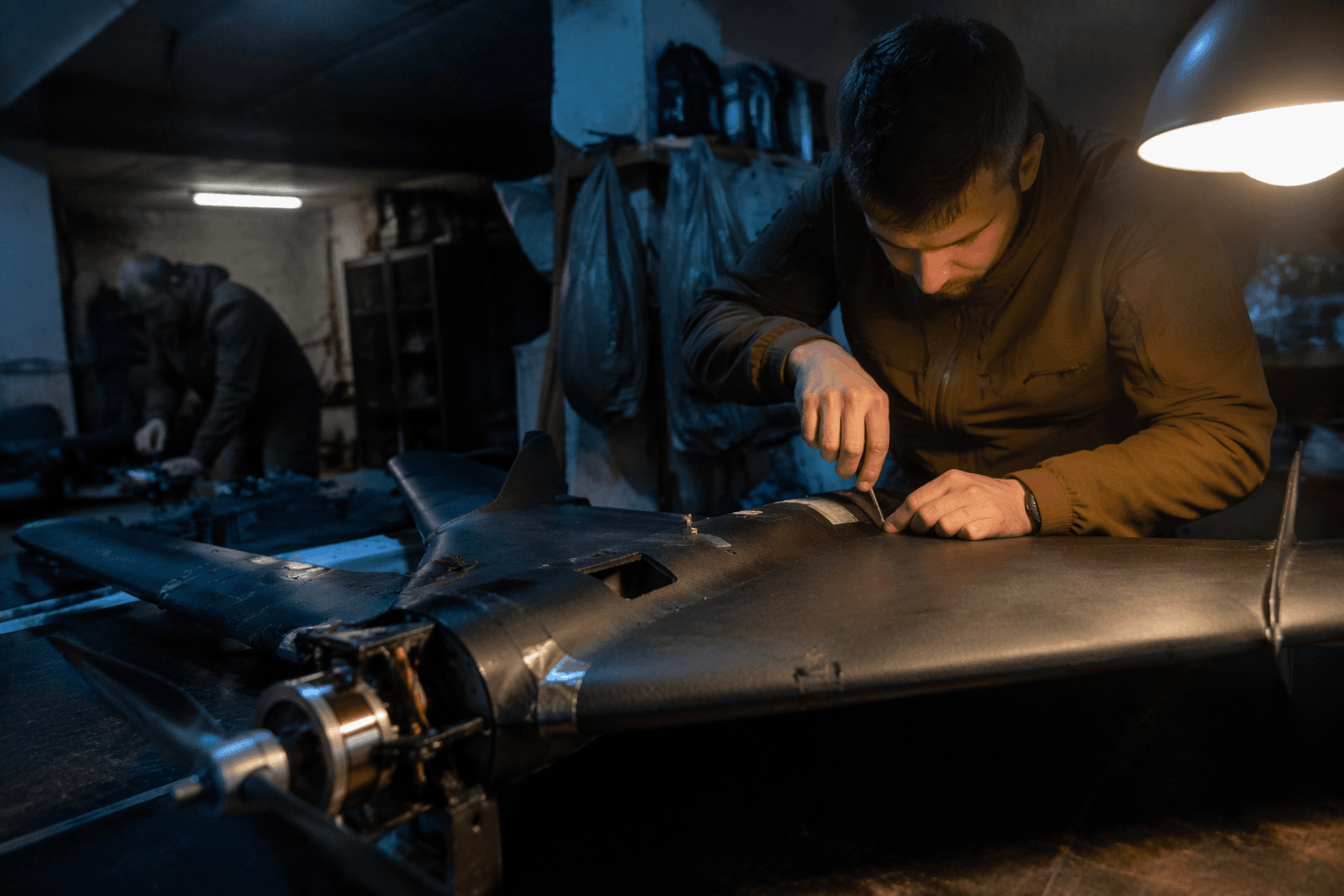
That pressure is coming from Russia’s nightly Shahed attacks, which have strained Ukraine’s traditional air defenses and forced Kyiv to conserve scarce, high-cost missiles for more demanding targets. Radio Free Europe/Radio Liberty has reported that Russian forces have also retooled Iranian-designed Shahed drones to make them more lethal and harder to defeat, sharpening the need for low-cost interceptors that can be produced and refreshed quickly.
Ukraine’s broader defense-tech ecosystem has been pushing in that direction for years. Brave1, the state-backed innovation cluster, has been central to fast-tracking cheap counter-drone systems, while a separate July 2025 announcement from Volodymyr Zelenskyy on a joint drone-production deal with Swift Beat, the company founded by Eric Schmidt, underscored how much outside attention Ukraine’s manufacturing model has drawn. The interest is not only in the drones themselves, but in the pace at which Ukraine can build, adjust, and scale them.
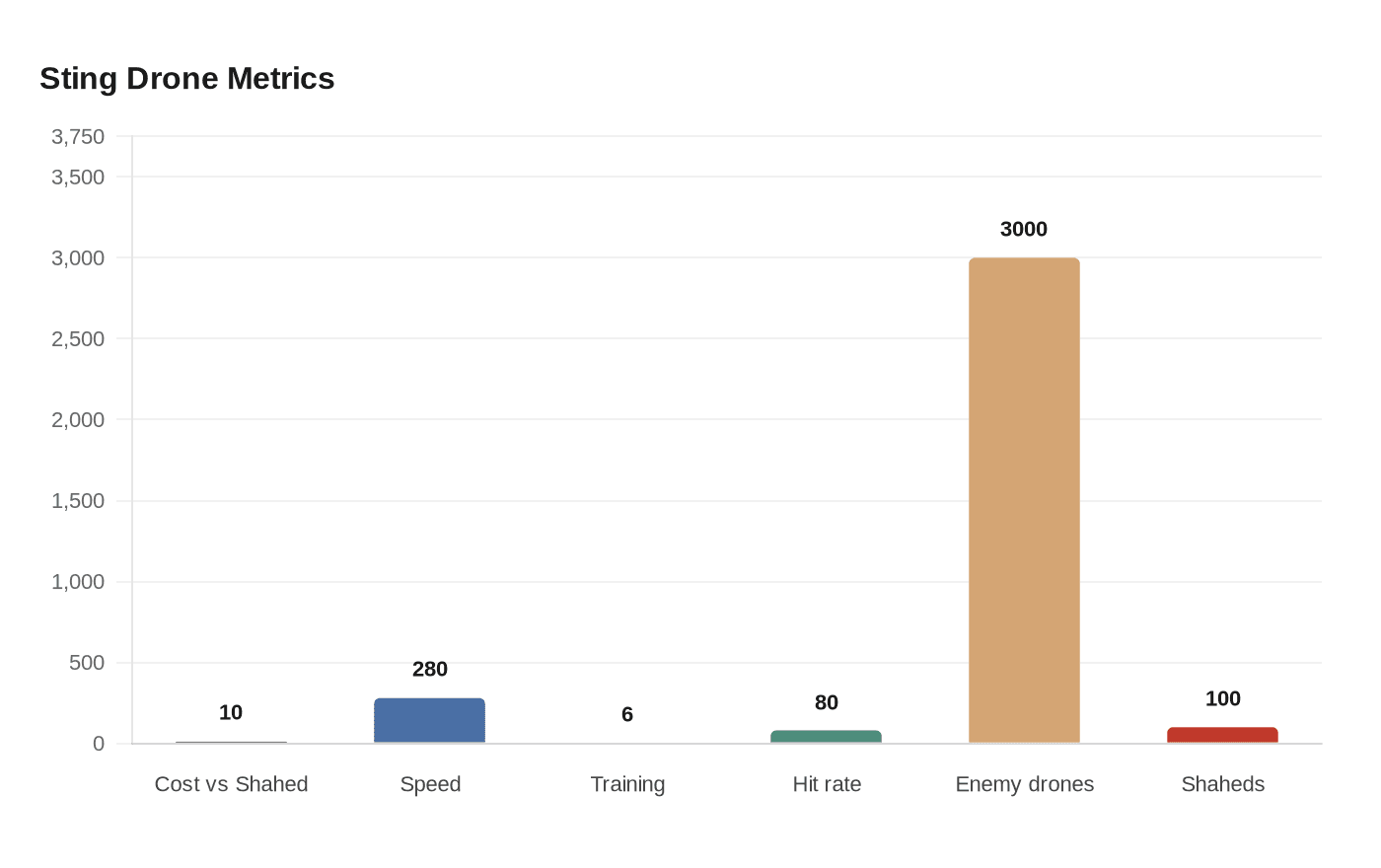
That pace was on display on April 23, 2026, when Ukraine’s Unmanned Systems Forces said the 412th Brigade Nemesis launched a Sting interceptor from an unmanned seaborne vehicle and brought down a Shahed, a first that showed how far the platform had moved beyond a single use case. A few weeks later, on May 13, Wild Hornets said Sting crews had already destroyed more than 100 Shaheds during an ongoing large-scale Russian air assault. The message from Sting is straightforward: in a war of mass drone attacks, 3D printing is winning because it keeps the production loop short, the unit cost low, and the next redesign close at hand.
This article was produced by Prism’s automated news system from verified source data, official records, and press releases, then run through automated quality and moderation checks before publishing. The system is built and supervised by the people who set the standards it runs under. Read our full AI policy.
Did this article answer your question?