Wells Fargo backs ICON after landmark 3D printed housing milestone
Wells Fargo will write mortgages on ICON homes, a bigger signal for 3D printed housing than another headline about wall counts.
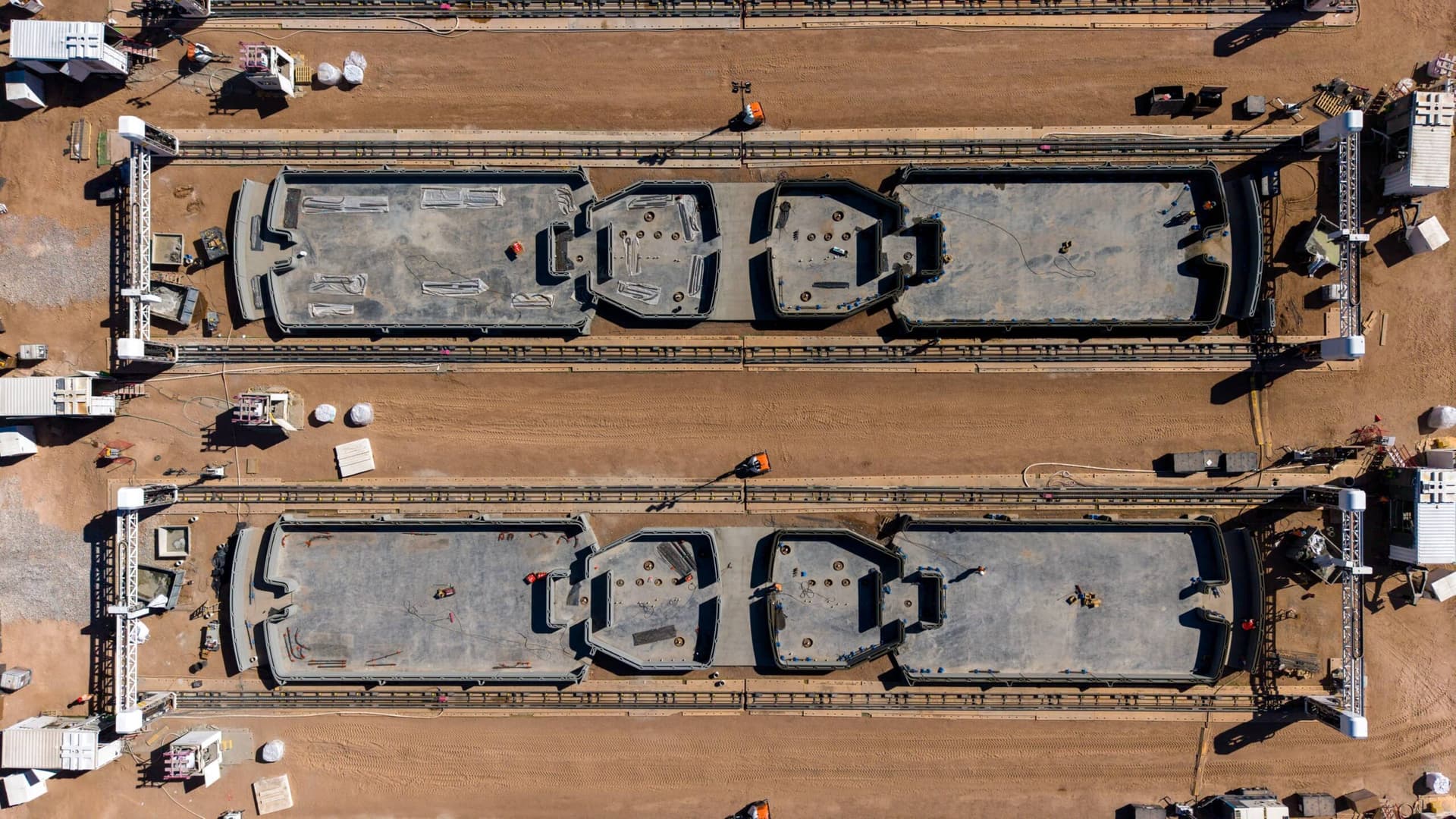
Wells Fargo just did something the 3D printing construction world has been chasing for years: it agreed to back ICON homes with conventional mortgage financing. The bank will write mortgages on houses built with ICON’s technology, give buyers using Wells Fargo mortgages a 50-basis-point lender credit, and finance builders buying ICON’s Titan printers, which have been reported at about $899,000 each.
That matters because the industry has spent years proving it can print walls. The harder test has always been whether banks, buyers, and builders would treat those walls like standard housing, not a novelty. Wells Fargo’s move suggests that the answer is starting to change, and that printed construction is moving from demonstration to something closer to a financeable product.
ICON has been building toward that point in public, and in view of the market. Its partnership with Lennar produced Wolf Ranch in Georgetown, Texas, which ICON described as the world’s first 100-home 3D-printed community. CNBC reported that about 75% of the homes had sold by March 2025, and Lennar later said more than 80% had sold by July 2025. For lenders, that kind of absorption gives a far clearer read on buyer demand and resale risk than any showcase rendering ever could.

The company’s relationship with Wells Fargo also appears to have roots beyond this latest commercial step. CNBC reported that ICON has worked with the Wells Fargo Foundation for several years on 3D printed communities for people without housing, adding a philanthropic track record behind the new mortgage and equipment-financing relationship. That combination of social-housing work, developer-built communities, and bank support is exactly the kind of history lenders tend to want before they touch a new construction method.
The backdrop is still a company under pressure. ICON laid off 114 employees in early 2025, about 25% of its workforce, as part of a strategic realignment. But the company has also kept pointing back to projects like House Zero in Austin, which ICON and Lake|Flato describe as a demonstration project and field trial for ICON’s proprietary concrete wall-printing system. In other words, ICON has been doing the slow, unglamorous work of making the system legible to the market, not just impressive on video.
For 3D printed housing, the headline is not only that another 100-home community exists. The bigger shift is that a major bank now appears willing to underwrite the category. That is the point where additive construction stops being treated like a stunt and starts looking like collateral.
This article was produced by Prism’s automated news system from verified source data, official records, and press releases, then run through automated quality and moderation checks before publishing. The system is built and supervised by the people who set the standards it runs under. Read our full AI policy.
Did this article answer your question?