Zellerfeld acquires Volumental to build 3D printed footwear platform
Zellerfeld bought Volumental to fuse shoe scanning with printing, adding 66 million foot scans to a platform it wants to scale across retail.
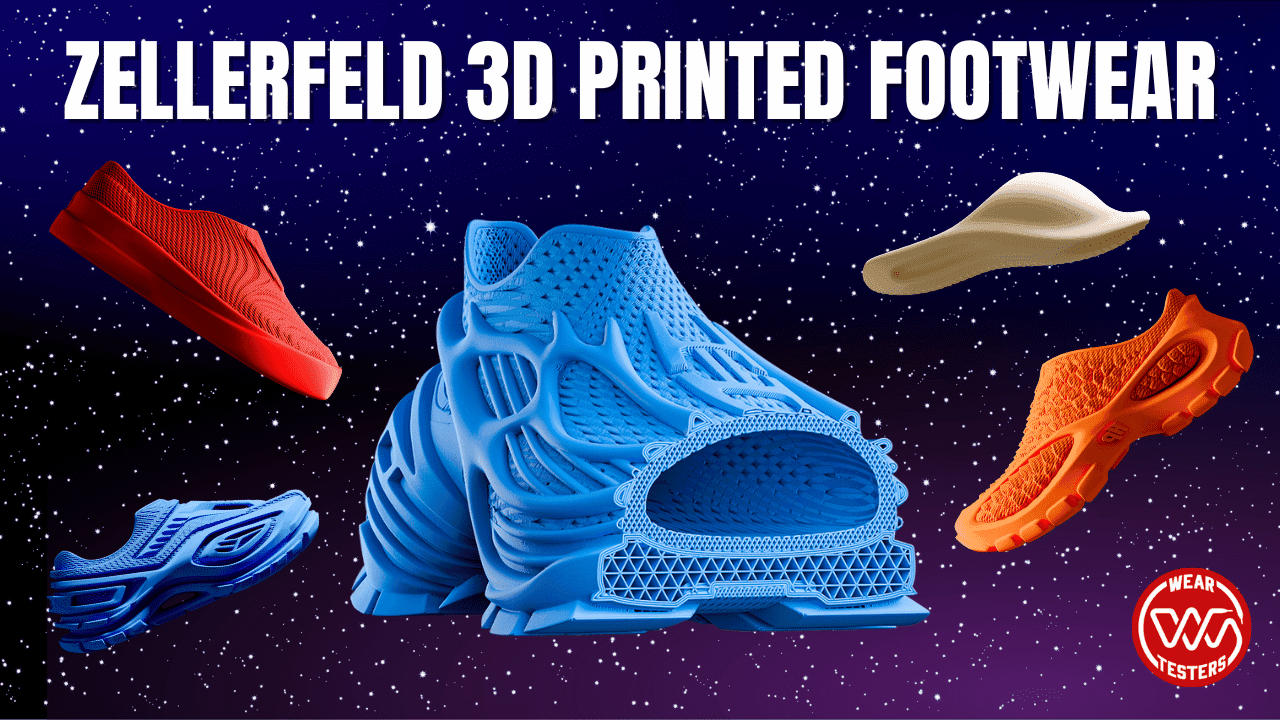
Fit data, not the printer itself, is becoming the missing piece in consumer 3D-printed footwear. Zellerfeld’s acquisition of Volumental brings a Stockholm-based scanning and fit company founded in 2012 into a business already known for shipping finished printed shoes, and it follows an earlier $950,000 investment that tied the two companies together before the buyout.
That matters because footwear is one of the few consumer categories where additive manufacturing can connect design, measurement and production in a single loop. Volumental says its technology is used in more than 3,000 locations across 60+ countries, and that it has scanned 66 million feet. Zellerfeld, meanwhile, has been positioning itself not just as a printer, but as a footwear platform with designs from brands around the globe.
The real asset in the deal is fit intelligence. Volumental says its AI fit engine is built on a dataset of 66 million real scans, and that it pairs scans with purchase data to produce footwear recommendations. The company also says it has helped more than 30 million people find their ideal fit. In retail terms, that kind of data can do more than size a shoe, it can help reduce returns, improve conversion and make custom manufacturing less dependent on guesswork.
Volumental has spent years building the kind of scan-to-fit workflow that can live both in stores and online. Its products include in-store scanners that capture 3D foot measurements in about 5 seconds and a Shopify app that measures feet in a browser. Its customer base includes New Balance, Crocs, The Athlete’s Foot and Fleet Feet, giving Zellerfeld access to an established retail footprint rather than a raw technology stack.
Zellerfeld has been equally explicit about scale. The company has said it wants to become the “Foot Locker of the future,” and it has laid out ambitions to reach 4,000 printers and 2,000 pairs per day by year-end, a run rate of 1 million pairs annually. In that context, Volumental looks less like a side bet than infrastructure. A platform chasing that volume needs more than interesting shoe geometry, it needs a way to make measurement easier than modeling.
The broader signal is clear: 3D printed shoes are moving away from novelty, toward a full retail system built around scanning, sizing and automated production. If the old promise of custom footwear was that every shoe could be unique, Zellerfeld’s move suggests the next hurdle is practical, not creative. The winning platform may be the one that makes fit data as routine as ordering the shoe itself.
This article was produced by Prism’s automated news system from verified source data, official records, and press releases, then run through automated quality and moderation checks before publishing. The system is built and supervised by the people who set the standards it runs under. Read our full AI policy.
Did this article answer your question?