Alabama film festivals map a growing indie cinema network
Alabama’s festival map shows a real circuit, with Huntsville, Birmingham, and YellowHammer giving filmmakers places to screen, build audiences, and keep work moving.
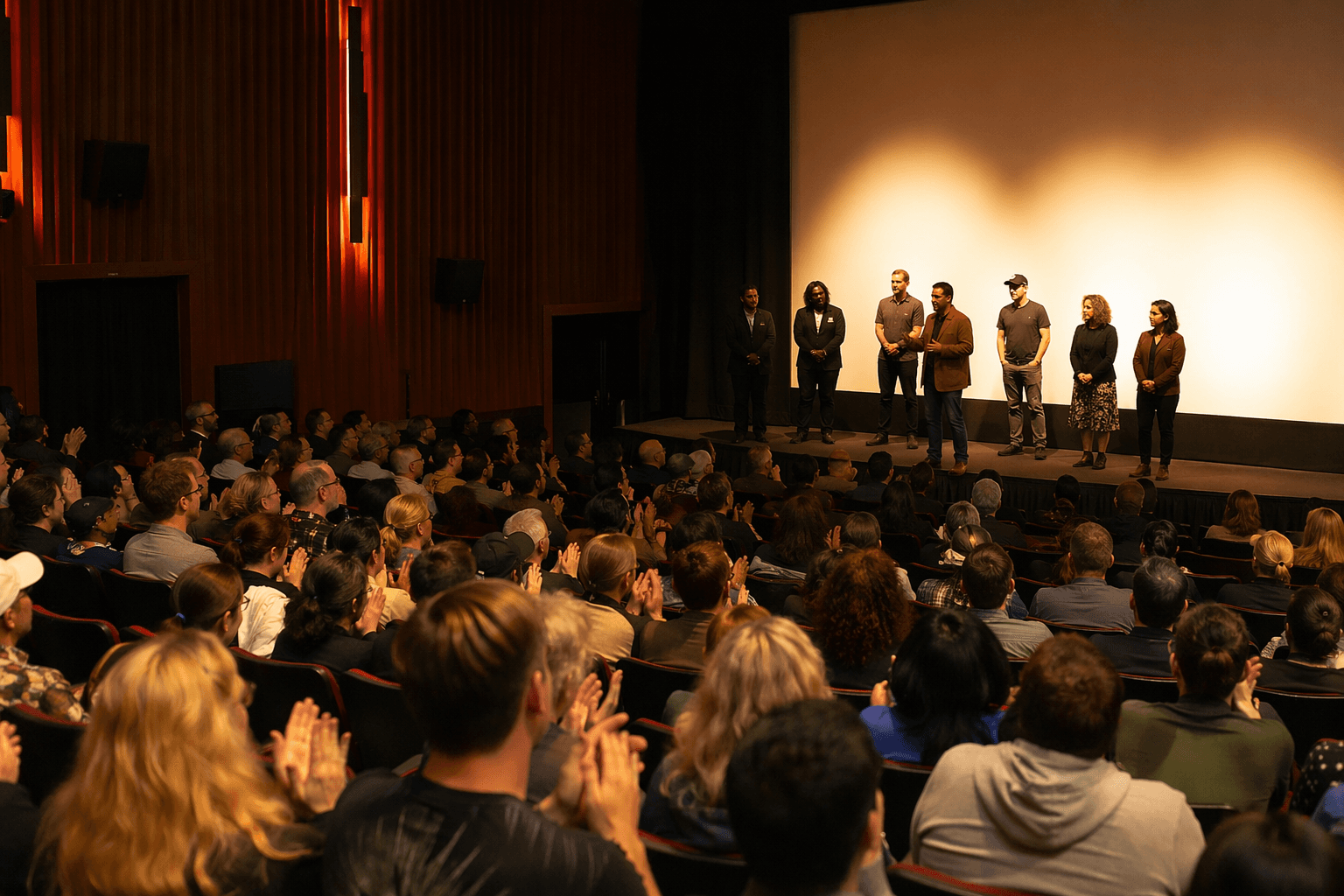
The Alabama Film Office’s festival page works less like a directory and more like a circuit map. It shows where indie films can actually land in this state, where new filmmakers get seen, and where the community has built enough momentum to keep the lights on year after year.
Huntsville gives the circuit a premiere lane
Southern Fried Film Festival is the clearest sign that Alabama’s indie scene is not just surviving, it is making room for a festival identity of its own. The festival, founded in 2018 by Trevite Willis and Kelley Reischauer, is described as Huntsville’s first independent film festival, and local coverage has called it a four-day annual event. It is also framed as an international festival built around independent cinema, local indie music, and innovative technology, which tells you a lot about the kind of crowd it is trying to reach.
That mix matters. Southern Fried is not just a place to drop a movie and hope for the best. It is positioned as a culture-forward stop, the kind of event where filmmakers can bring work to an audience that wants cinema, but also wants the broader creative ecosystem around it. When the festival returned in 2021, it ran June 9-12, another reminder that Huntsville has become a reliable place on the calendar for filmmakers who want an Alabama premiere with energy behind it.
Birmingham is the state’s year-round anchor
If Huntsville shows the festival circuit in motion, Birmingham shows what makes it sustainable. Sidewalk Film Festival has operated since 1999, which gives Alabama’s indie world a longer institutional memory than most people realize. Sidewalk says it is a federally recognized 501(c)(3) nonprofit dedicated to encouraging filmmaking in Alabama and building audiences for independent film, and that nonprofit mission is the backbone of what makes it more than a once-a-year event.
The real difference is physical infrastructure. Sidewalk Film Center & Cinema gives the festival a year-round home in Birmingham, which means the ecosystem does not disappear after the festival closes. That kind of permanent venue is huge for a state scene, because it creates a place where audience habits can form, local filmmakers can keep showing work, and the conversation around independent film does not have to restart from zero every season.
Birmingham’s role, then, is not just prestige. It is continuity. Sidewalk gives Alabama an established exhibition base, and that base matters when you are trying to understand how films move from finished project to public screening to repeat audience.
YellowHammer shows the pipeline is getting younger and wider
YellowHammer Film Festival fills a different but equally important lane. The Alabama Film Office describes it as a free, statewide, educational experience for high school and college students, and that alone makes it one of the most strategically useful pieces of the state’s film network. It is not built as a gatekeeping event. It is built as an on-ramp.
The festival started in 2021 as a free virtual one-day festival open to Alabama high school and college filmmakers, which is a smart model for a state with a lot of distance between cities and campuses. By 2024, YellowHammer had drawn hundreds of students and film submissions, showing that the educational niche was not just symbolic. It had become a real pipeline for young filmmakers who want a first audience, a first festival credit, and a sense that their work belongs in a public conversation.
That is where Alabama’s festival ecosystem gets interesting. YellowHammer is not competing with Sidewalk or Southern Fried so much as feeding the same larger system. It helps create the next wave of filmmakers who may later enter the state’s bigger festivals, apply for support, or build teams through campus and alumni networks.
The map points to clusters, not one center
What stands out across these festivals is the geography. Huntsville and Birmingham are the clearest hubs, and they do different jobs. Huntsville leans toward festival energy, showcase culture, and a visible annual moment. Birmingham leans toward year-round exhibition and audience building. YellowHammer stretches the map outward, tying students across the state into a single educational platform.
That pattern is the real story. Alabama does not appear to rely on one all-purpose festival to carry the whole indie scene. Instead, it works through clusters, with campuses, nonprofits, and local venues each handling a piece of the route from production to screening. That is a more durable model than it looks at first glance, because it gives filmmakers more than one place to plug in depending on where they are in their career.
It also reveals the gaps. A healthy state film ecosystem needs more than submission portals. It needs places to screen finished work, places to find peers, and places where audience development happens in person. Alabama’s festivals suggest those pieces are present, but distributed, which is exactly why the network feels practical rather than flashy.
Why this circuit matters for working filmmakers
Taken together, these festivals show that Alabama’s indie film life is organized around multiple functions at once: celebration, education, community-building, and audience development. Southern Fried gives filmmakers a culturally specific showcase in Huntsville. Sidewalk gives them a long-running Birmingham institution with a year-round home. YellowHammer gives students across the state a low-barrier entry point that can turn first films into public work.
That combination is what makes the Alabama map useful. It tells you where premieres can happen, where audiences are already accustomed to independent film, and where young filmmakers are being trained to see festival participation as part of the job. For anyone trying to track the state’s indie future, the lesson is simple: Alabama already has the bones of a circuit, and it is stronger when you see the festivals as connected stops instead of isolated events.
Know something we missed? Have a correction or additional information?
Submit a Tip