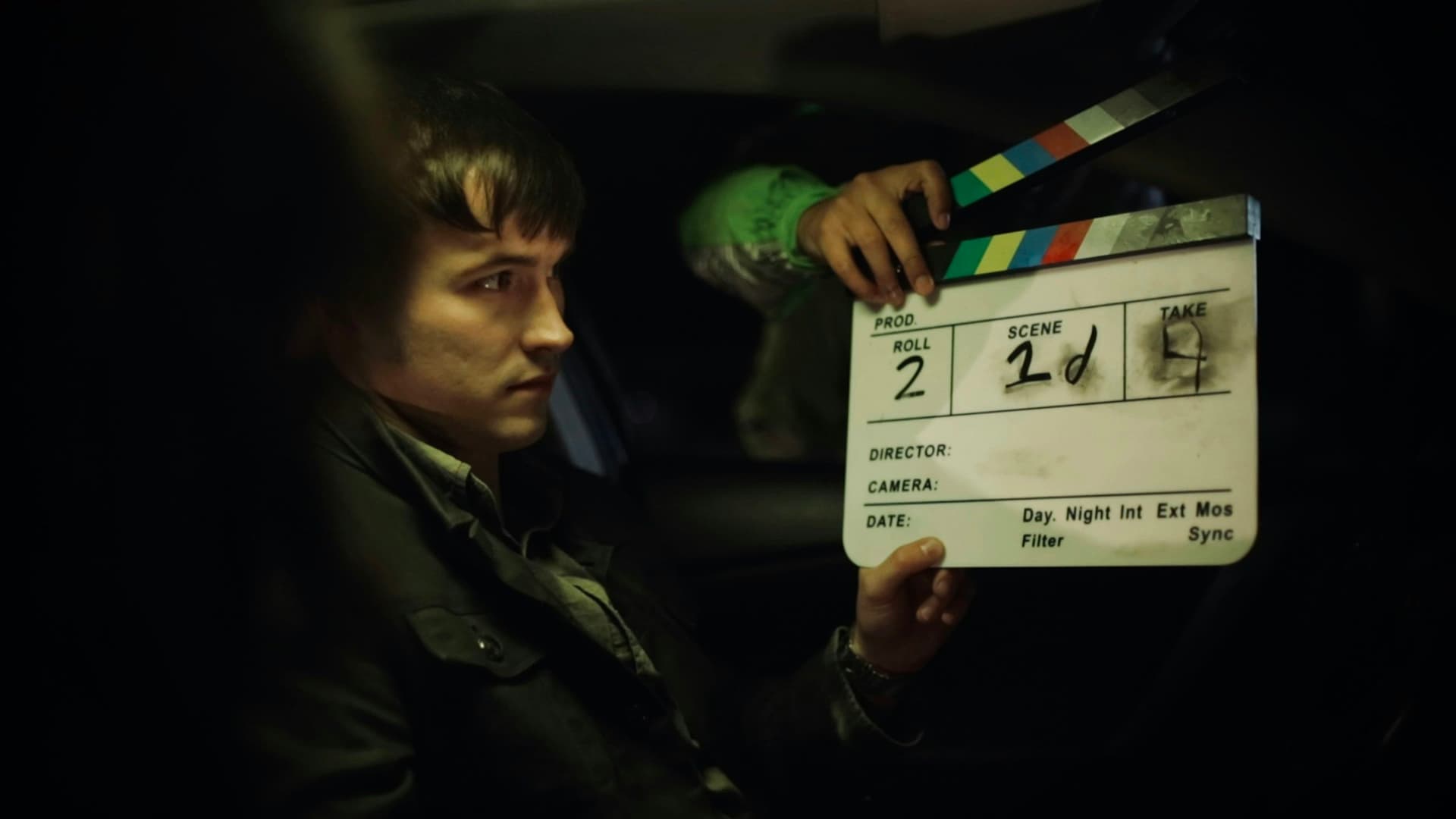
Alabama nonprofits back micro-films to boost fundraising and outreach
Alabama nonprofits are paying for micro-films, and the model gives indie filmmakers a real lane for funded short-form work outside festivals.
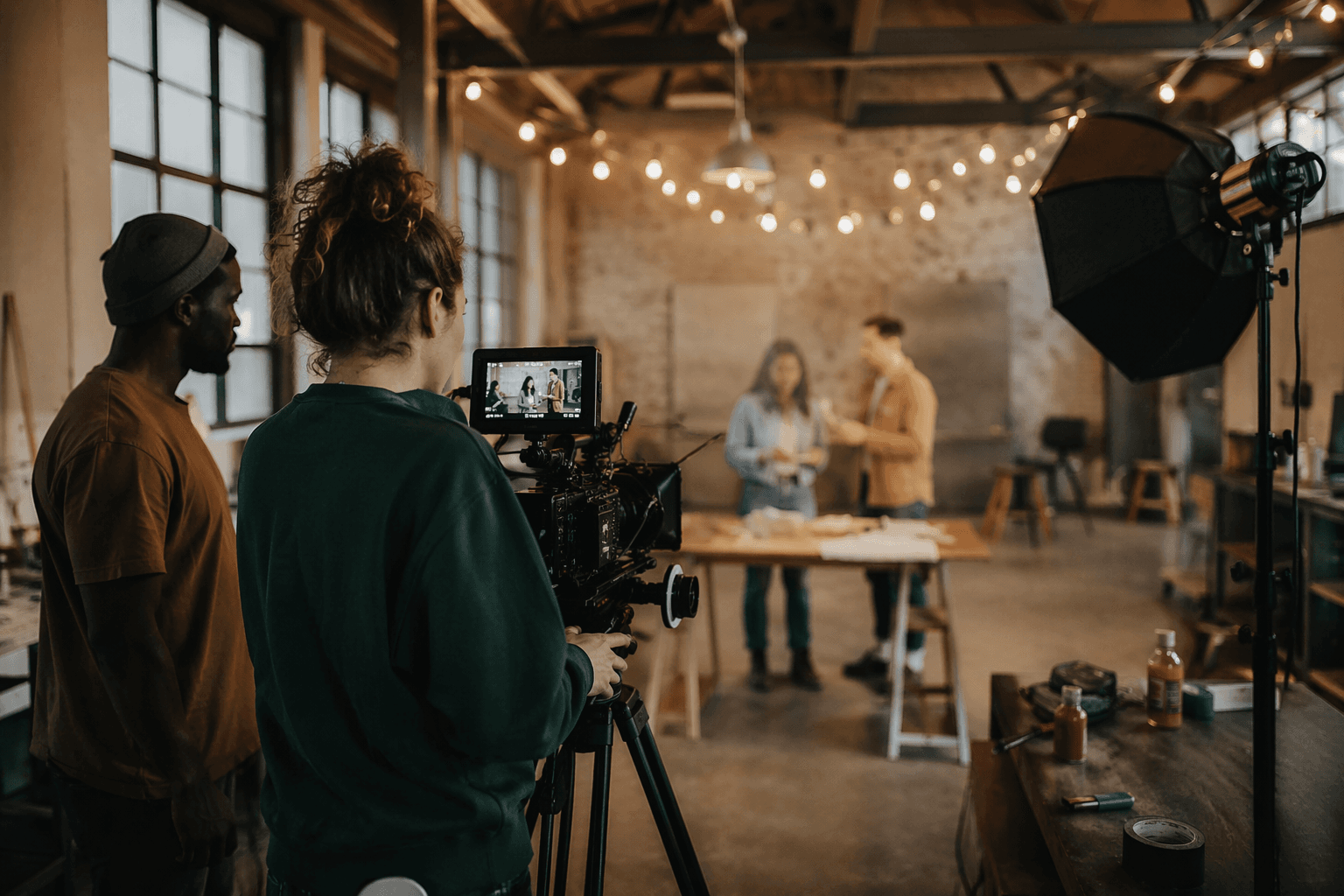
The Alabama Association of Nonprofits turned short-form video into a working production lane: ten member nonprofits got selected through a competitive grant process, paired with Birmingham videographers, and given money to make 2- to 3-minute films built for fundraising and outreach. The setup is plain, practical, and very Alabama, because it treats a micro-film as a paid communication tool, not a vanity project.
How the model works
The grant structure is the part filmmakers should pay attention to. Each participant received $10,000 to use with one of several pre-vetted videographers, plus another $500 for staff time or outsourcing tied to measuring outcomes. AAN also built in training and coaching so the organizations could get more comfortable with video marketing and donor engagement, which matters because the strongest nonprofit films usually come from groups that know their mission but need help shaping it for camera.
That combination of direct funding, production support, and post-project coaching is what makes the initiative useful beyond the nonprofit world. It shows how an Alabama filmmaker can get paid to make a short film that has a clear audience, a defined purpose, and a built-in distribution moment. Instead of pitching a spec piece and hoping somebody cares later, you are entering a job where the organization already has a reason to use the film.
The initiative was supported by the Fidelity Charitable Catalyst Fund, which gave the program a backbone that many small organizations would not have on their own. AAN said the whole point was to help members generate more revenue and further their mission by telling their stories more effectively, which is exactly the kind of language that opens doors for filmmakers who can work fast, listen well, and deliver something sharper than a generic promo.
Why this matters in Alabama
AAN’s framing gets more interesting when you look at the size of the nonprofit landscape in the state. The association says 83% of Alabama’s nonprofits fall into the “small” category, and its 2026 homepage says Alabama nonprofits generate $16.9 billion in annual revenue. Even so, the median Alabama nonprofit operates on about $200,000 a year, and two-thirds report less than $500,000 in annual revenue.
That gap is the whole story. There is plenty of civic money moving through the sector, but a lot of the organizations doing the work are operating on budgets that leave little room for polished storytelling. Micro-films give those groups a way to look and sound bigger than their balance sheets without pretending they are something they are not. For indie crews, that means a niche but real market: short jobs with clear deliverables, local travel, and a mission-driven client who needs the film to perform.
What got made
The inaugural Alabama Nonprofit Film Festival made the concept tangible. It took place on October 3, 2024, at the Birmingham-Jefferson Convention Complex Forum Building in Birmingham, and AAN said the event was sold out. The festival premiered ten short films created with Birmingham videographers, which is exactly the kind of local production ecosystem Alabama indie filmmakers should notice.
The ten selected organizations were Aum Foundation, Birmingham Corps, Birmingham Education Foundation, College Choice Foundation, GirlSpring, Khairi and Little Angels’ Memorial, South Baldwin Literacy Council, STREAM Innovations, The Flourish Alabama, and The Red Barn. That list matters because it shows the range of groups that can benefit from this model, from education and literacy to community-based services and youth-focused work.
AAN said the goal was not only to increase funding but also to help organizations grow and reach more stakeholders. In other words, the films were not just fundraising assets tucked away on a website. They were part of a public-facing campaign, with a festival premiere as the payoff.
The festival was the proof point
The event page laid out the room AAN wanted in the building. It invited community members, nonprofit leaders, foundation staff and trustees, potential donors, the media, elected officials, and AAN members. Before the screenings, attendees heard a panel featuring Tony Bowen, executive director of Fidelity Charitable Catalyst Fund, Elaine Martyn, who leads the Private Donor Group at Fidelity Charitable, and Marsha Morgan of the Birmingham Change Fund.
That detail matters because it shows the films were being positioned as more than internal morale pieces. They were meant to land in front of the people who influence giving, visibility, and partnerships. For filmmakers, that is a useful reminder that a short film can function as a fundraising presentation, an outreach asset, and a live-event centerpiece all at once.
AAN’s follow-up language sharpened the point even further. The association described the festival as a celebration of Alabama nonprofits designed to help attendees become champions for the organizations, and it said it hoped to spotlight more nonprofits in 2025. That is the kind of repeatable structure that makes the model feel less like a one-off grant and more like a production lane that could keep opening doors.
What Alabama filmmakers can take from it
If you are looking for work outside the festival circuit, this is the blueprint. The nonprofit already has a mission, an audience, and a need for clearer communication. The filmmaker brings the visual strategy, the production discipline, and the ability to make a short piece feel urgent without feeling slick in the wrong way. The result is a film that can live at a gala, on a donor page, in a grant deck, and in a social campaign.
The smartest takeaway is not that every nonprofit needs a film. It is that Alabama has a pool of mission-driven organizations that can benefit from exactly this kind of short-form work, especially when the project is packaged with coaching and a clear exhibition plan. The Micro-Film Grant Initiative showed that a 2- to 3-minute film can be funded, premiered, and used as part of a broader fundraising strategy.
That is the lane here: local money, local crews, real stakes, and a finished piece that does something useful the minute it is screened. For Alabama indie filmmakers, the lesson is not to wait around for the next festival slot when a better job may already be sitting inside the state’s nonprofit sector.
This article was produced by Prism’s automated news system from verified source data, official records, and press releases, then run through automated quality and moderation checks before publishing. The system is built and supervised by the people who set the standards it runs under. Read our full AI policy.
Know something we missed? Have a correction or additional information?
Submit a Tip