APT spotlights Natchez documentary on heritage, slavery, and memory
Suzannah Herbert’s Natchez reaches PBS’s Independent Lens Monday at 9 p.m., bringing a Tribeca-winning look at antebellum tourism, slavery and memory to Alabama viewers.
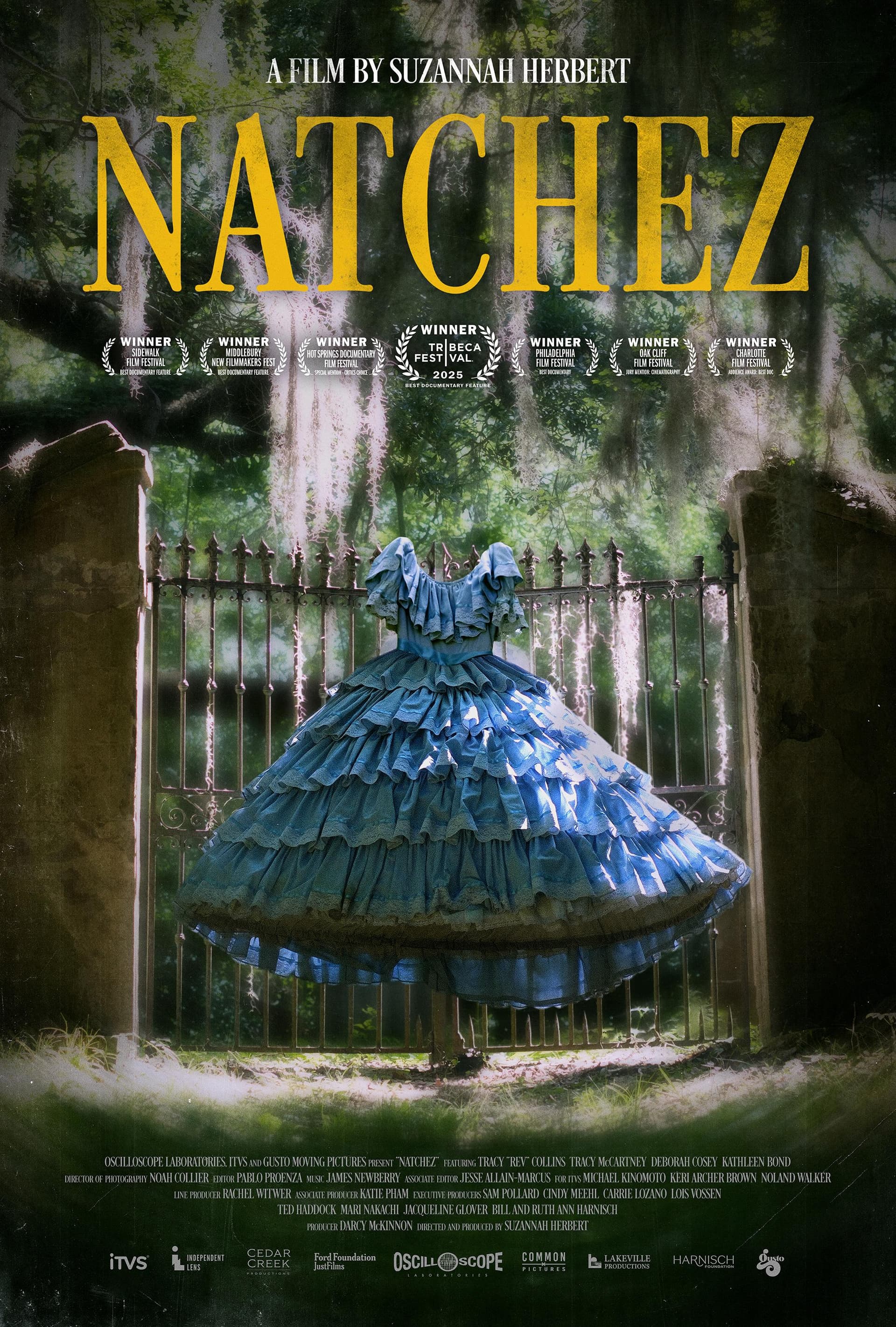
Alabama Public Television is putting Natchez in a prime spot Monday, May 11 at 9 p.m. on PBS’s Independent Lens, and the timing gives viewers a clear reason to tune in: this is not just another documentary slot. The film won Best Documentary Feature at the 2025 Tribeca Film Festival, landed on the National Board of Review’s Top Five Documentaries of the Year, and also picked up Best Documentary Feature honors at the Middlebury and Sidewalk film festivals.
Directed by Memphis-born filmmaker Suzannah Herbert, Natchez turns its lens on Natchez, Mississippi, where antebellum-home tours, homeowners, activists and tour guides all collide around one central question: what story is being sold, and what gets left out? PBS’s Independent Lens frames the film as a look at competing histories, race, memory and identity, with the town’s tourist economy built on a version of the past that is polished, selective and profitable.
That tension gives the film its edge. Tribeca’s festival description singles out Rev, a preacher who gives comprehensive tours and calls himself the “best tour guide in America,” alongside Tracy, a hoopskirt-wearing Southern belle. The film uses those voices to show how Natchez packages heritage for visitors while the town wrestles with the legacy of slavery and the moral weight of preserving tradition without flattening the truth. The International Documentary Association has described that antebellum image as a “Southern construct” used to sell tickets, which is exactly the kind of line Natchez seems built to examine.
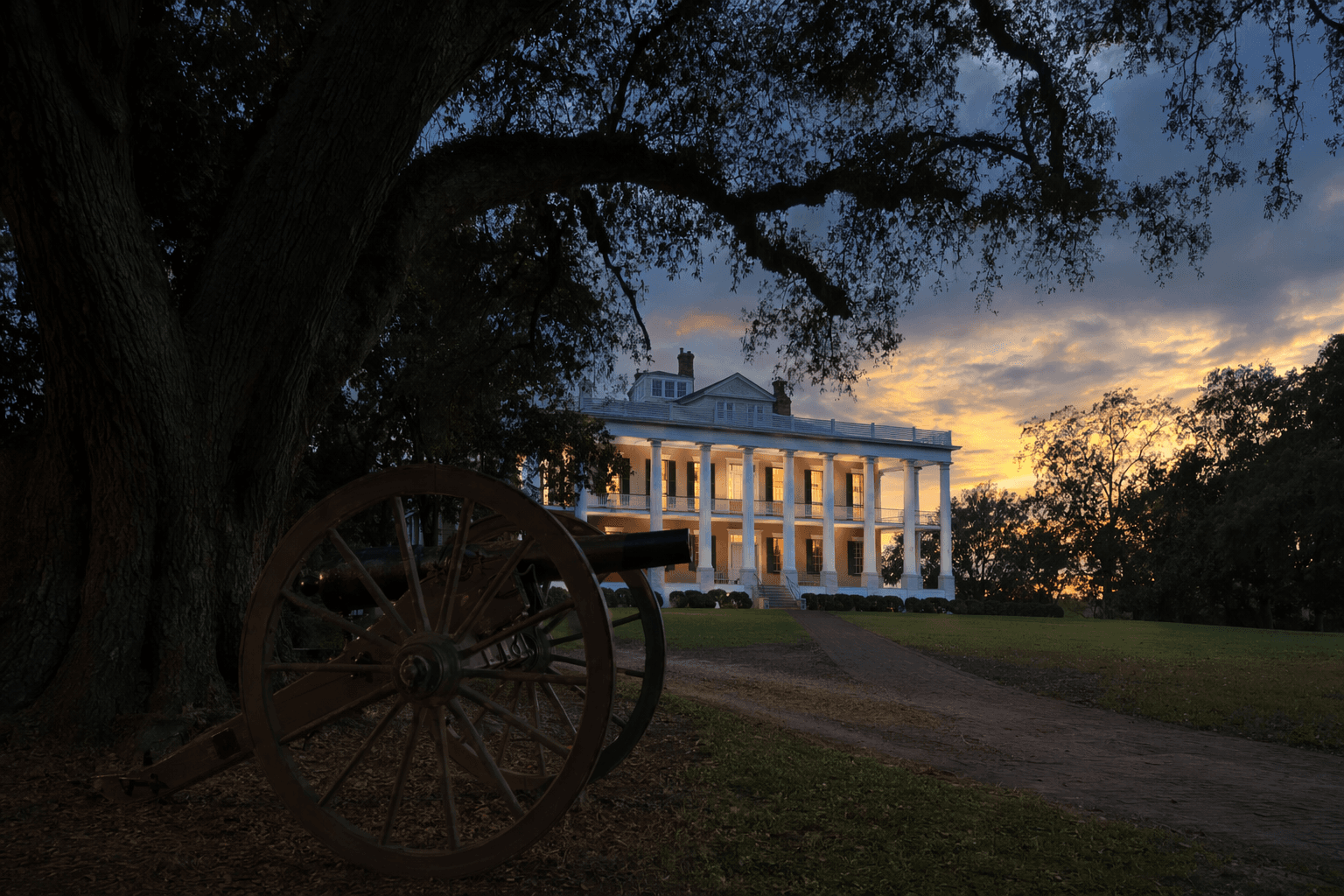
The setting only sharpens the stakes. Visit Natchez says the city’s history dates back to 1716, making it the oldest continuous settlement on the Mississippi River. City historic-district materials also say tourism generates $100 million in local economic impact each year, which explains why the fight over narrative is not abstract. In Natchez, memory is part of the business model.
The film also lands in the shadow of civil-rights history that still hangs over the city. AP reported that more than 150 marchers from Natchez were intercepted in 1965 and sent to Parchman, and later coverage said a monument project near the Natchez city auditorium would include more than 150 names honoring those jailed activists. That backdrop makes Herbert’s film feel especially pointed, because it asks who gets remembered in public and who gets packaged for visitors. Herbert’s earlier documentary, Wrestle, earned two News & Documentary Emmy nominations, and Natchez looks like the kind of national documentary that public television was made to carry.
This article was produced by Prism’s automated news system from verified source data, official records, and press releases, then run through automated quality and moderation checks before publishing. The system is built and supervised by the people who set the standards it runs under. Read our full AI policy.
Know something we missed? Have a correction or additional information?
Submit a Tip