Birmingham casting notice seeks non-union stand-ins for independent film
A Birmingham stand-in call opens July 20 for a non-paid feature shoot set for Sept. 7-11, giving locals a direct way onto set.
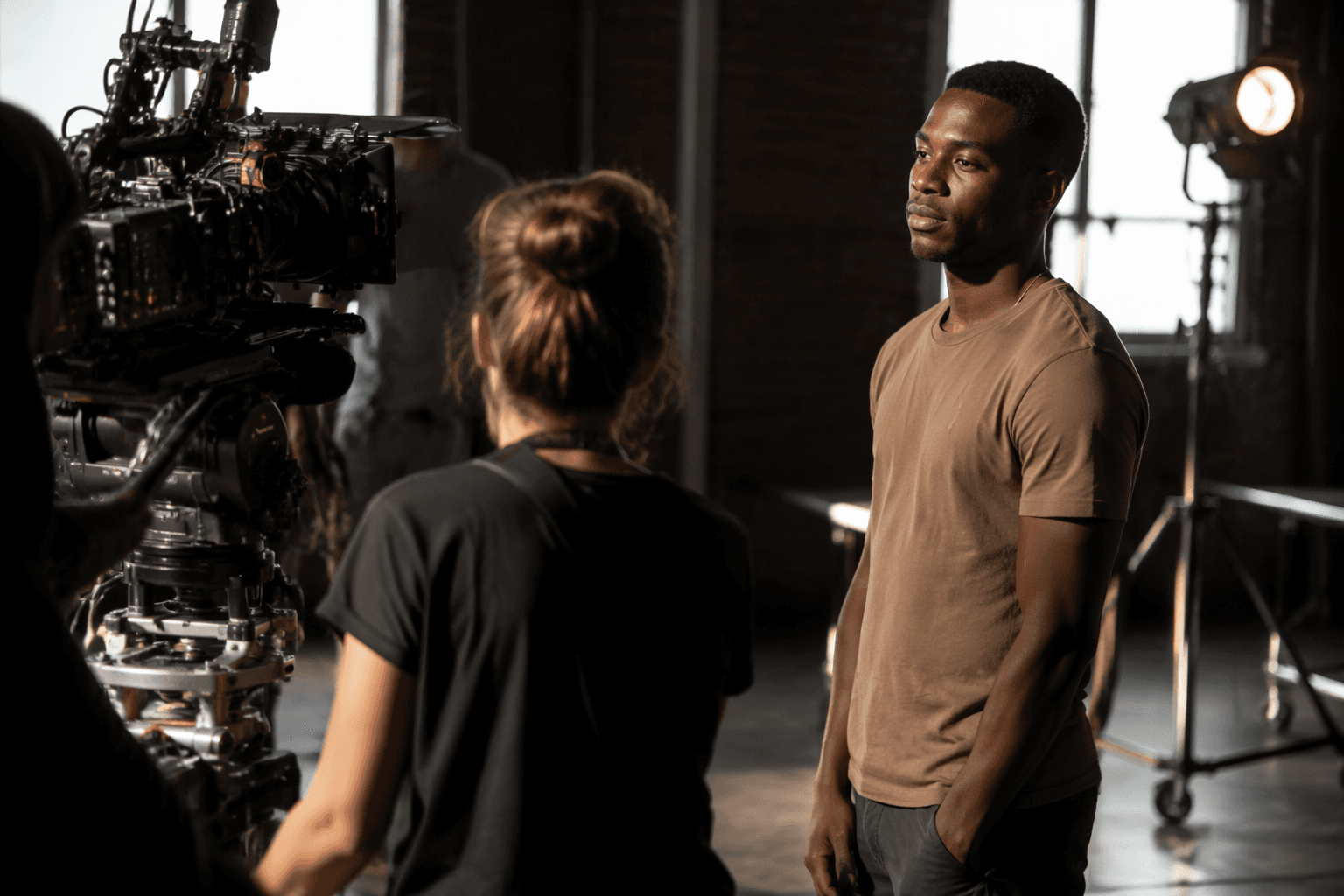
A Birmingham casting notice is looking for non-union stand-ins for an independent feature film, with applications opening July 20 and closing August 3, 2026. The non-paid call lists Birmingham, Alabama, as the location and sets filming for September 7-11, a tight window that makes it a real entry point for locals trying to get a first credit and a first day on set.
Stand-in work is not background work. Productions use stand-ins to help camera and lighting teams block scenes before the principal actors arrive, and that can put you within earshot of assistant directors, crew chiefs, and the director while the shot is being built. In Birmingham, that kind of notice usually shows up when a project is moving out of prep and into principal photography, with locations set and the calendar getting locked down.
The listing does not name the film, but a separate Goleman Casting, LLC notice identifies a Birmingham feature film called SUNDOWN TOWN, marks it non-union, and lists works between July 20 and August 3, 2026. That notice also lists a rate of $200 for 10 hours for Alabama residents, which makes the new stand-in call stand out because it is explicitly non-paid. It is the kind of split that matters to anyone tracking how different jobs in the same production pipeline are priced, or not priced, in Alabama.
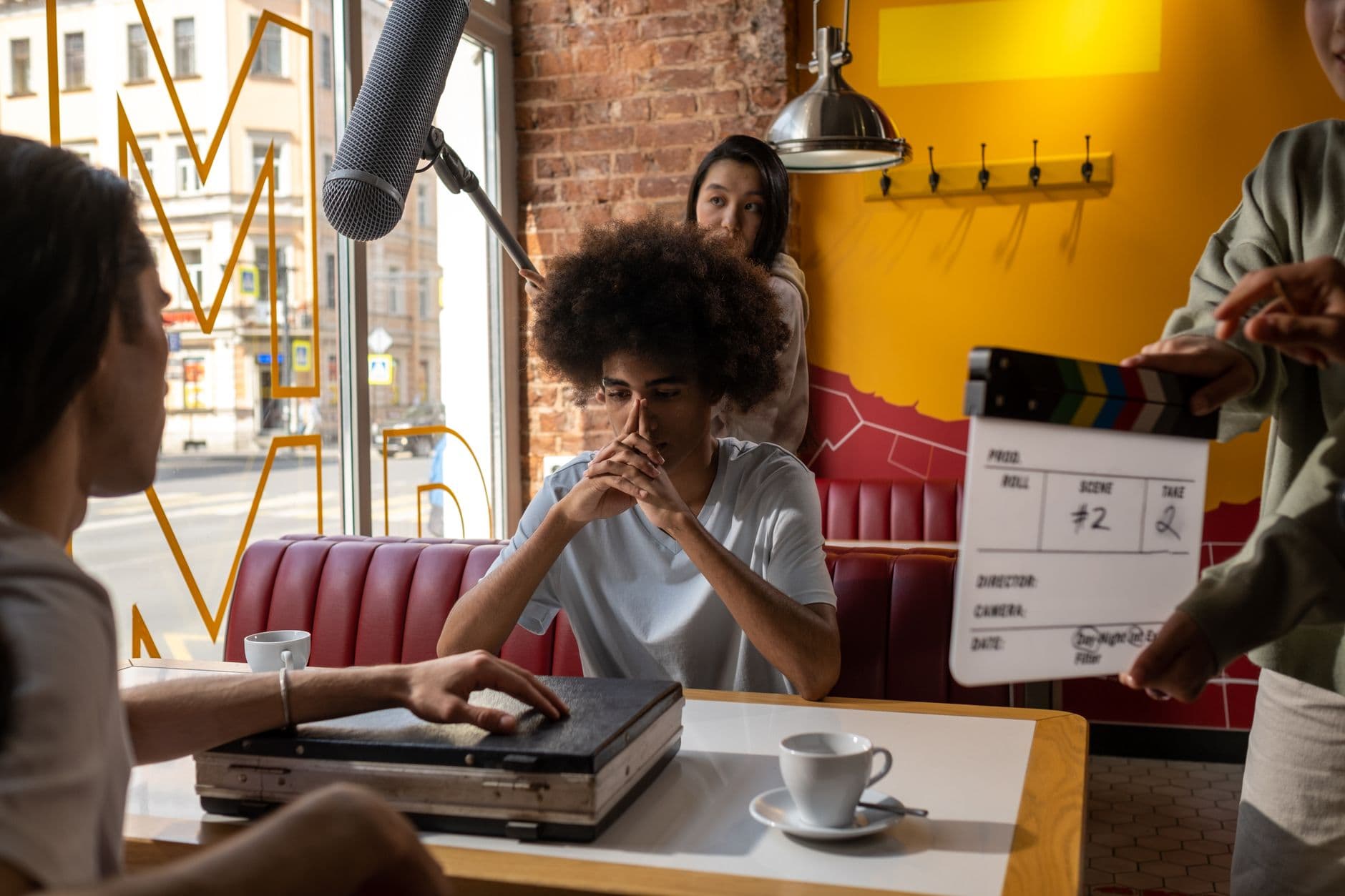
Film Birmingham says it does not make casting decisions and instead points people toward casting resources and crew information. The Alabama Entertainment Office pitches the state as a place with urban cities, small towns, rural areas, lower expense costs, state tax incentives, and a growing talent pool of experienced crew members, and the Alabama Department of Revenue hosts the state film rebate program. One incentive summary tied to the current program lists a 25% rebate, 35% for Alabama-resident payroll, a $22.5 million annual cap, a $20 million project cap, and a $500,000 minimum spend.
If you are thinking about applying, check the basics before sending anything in: whether the production needs a specific height, build, or wardrobe size, whether the non-paid placement still includes meals or parking, and how many days you would actually be held for the September 7-11 shoot. That is the part stand-in work lives or dies on, because the job is less about the camera looking at you and more about whether you can help the set move fast when Birmingham gets its turn under the lights.
This article was produced by Prism’s automated news system from verified source data, official records, and press releases, then run through automated quality and moderation checks before publishing. The system is built and supervised by the people who set the standards it runs under. Read our full AI policy.
Did this article answer your question?