How Alabama arts grants can help indie filmmakers fund projects
Alabama filmmakers can tap state arts money through the Visual Arts grant program, but the real move is matching your project to the right deadline and funding lane.
The Alabama State Council on the Arts’ Visual Arts program explicitly includes filmmaking and media when the work has origins and or impact in Alabama. That makes it one of the few places in the state arts grant system where the money is real, recurring, and built for project work, putting short-form work, documentaries, and experimental pieces in the same funding lane as painting, photography, and design.
The Alabama arts grant lane that actually fits film
The program is meant to nurture excellence, professionalism, multiculturalism, audience access, and educational impact. That is a good fit for the kind of Alabama indie project that is trying to do more than get made once and disappear, especially if the film is tied to local places, communities, or public programming.
The agency exists to enhance quality of life and economic vitality for all Alabamians through support for the state’s artistic resources, and its current goals include recognizing the arts as a driver of economic vitality. That is the public-interest frame behind the grants: these are not charity checks for hobby projects, they are state-backed dollars tied to culture, education, and economic impact.
The council has been around since 1966, when it was established by an act of the Alabama Legislature. Its first allocation from the National Endowment for the Arts was $25,000, and by 1998 its budget had grown to $5,018,423, including state and federal funds. Today, the council is funded by the Alabama Legislature, Support the Arts license plate sales, tax refund donations, and the National Endowment for the Arts.
How to apply without wasting a cycle
The fastest way to waste time is to treat every arts grant like a film grant. Start with fit, then build from there. First-time applicants are encouraged to submit draft applications for program-manager review before the deadline, which is the easiest way to catch a weak budget, a fuzzy project description, or a category mismatch before you spend a week polishing the wrong draft.
1. Confirm that your project belongs in Visual Arts. If it is filmmaking or media with Alabama origins or impact, that is the cleanest fit.
2. Send a draft early if you are new to the system. First-time applicants are encouraged to get program-manager feedback before the deadline.
3. Apply through the online grants portal. Every applicant except Folk Arts Apprenticeship applicants must use the online system.
4. Plan for partial funding, not a full write-off of your budget. Project requests are seldom fully funded, and on average they come in at about 55 percent of the amount requested.
5. Be ready for the post-award paperwork. Once you are funded, you have to handle state-vendor registration, final reports, and other grant-management steps on schedule.
The council approves grants four times a year, in March, June, September, and December, so the grant calendar is not just about submitting once and waiting. It is about being ready to move when the board cycle opens and staying organized after the award lands.
The 2026-2027 guidelines set two dates that matter immediately for filmmakers: Project grants and Folk Arts Apprenticeship applications are due September 1, 2026, and Arts Facilities applications are due December 1, 2026. If you need an accommodation, contact your program manager at least four weeks before the deadline.
What the money actually looks like
The numbers show that this is not a theoretical funding stream. In September 2025, the council announced $3,769,280 in grants to 176 organizations. In September 2024, it announced $3,733,900 to 177 organizations. In December 2023, it announced 185 grants totaling $1,172,100, and in December 2022, it announced 181 grants totaling $1,266,000. In 2019, the council funded nearly 400 grants across the state.
Those totals do two things for filmmakers. First, they show the pipeline is active year after year. Second, they make the ceiling obvious: demand is higher than the council can accommodate, and the 2019 annual report stated that directly. So if you are trying to cover production, postproduction, archival licensing, travel, festival delivery, or community screenings, think of the grant as one piece of the stack, not the whole stack.
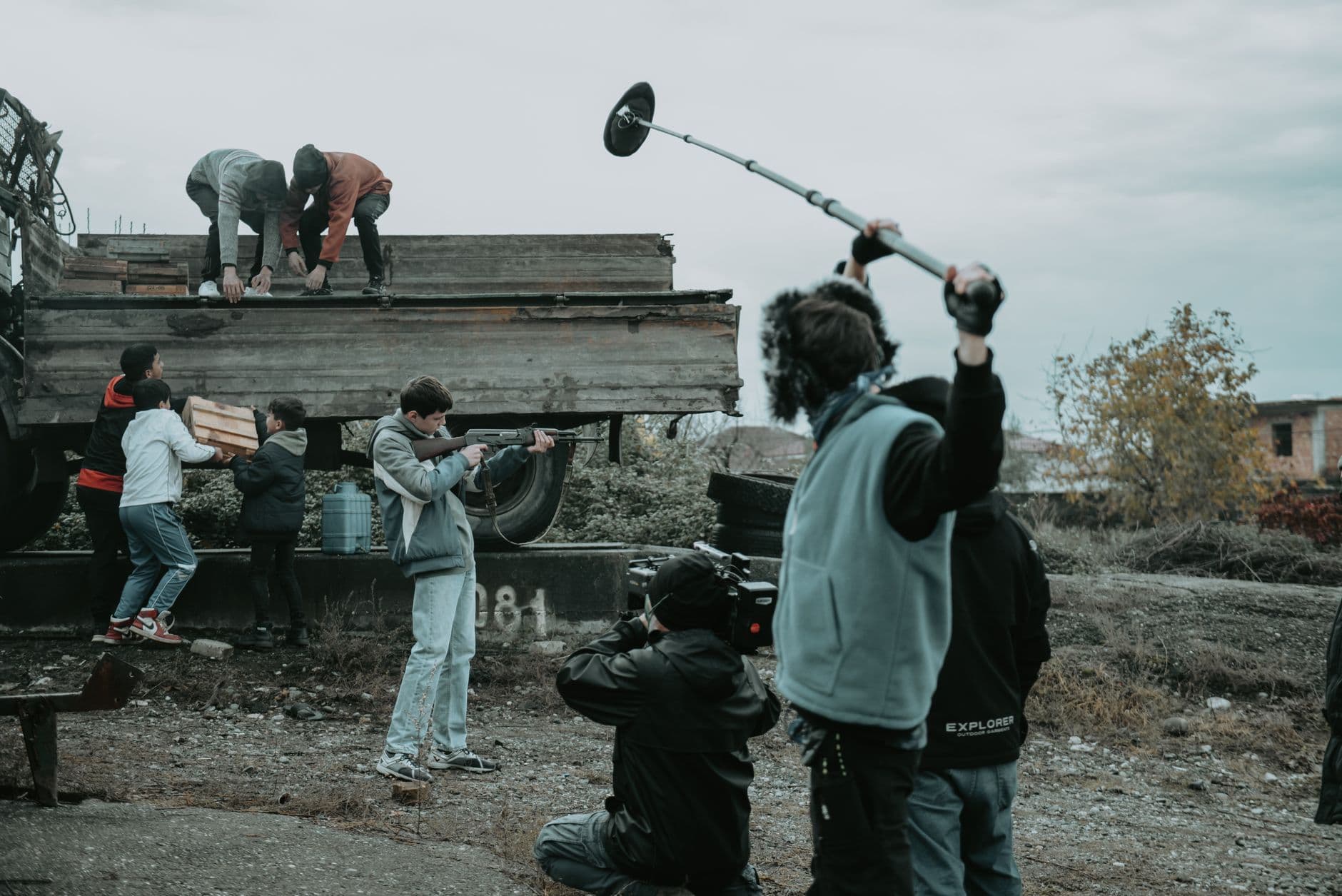
A grant that covers roughly half of what you asked for can still be useful if you already know where the rest is coming from.
Who to call, and where film fits in the wider arts world
The council’s leadership and staff are worth knowing by name because the bureaucracy is smaller than it looks. Elliot Knight, PhD, is the executive director, Andrew Henley, PhD, is the deputy director, and Amy Jenkins is the Visual Arts and Gallery Manager. If you are trying to figure out whether a project belongs in the Visual Arts lane or somewhere else, that staff structure can save you from guessing.
The council’s statewide partner organizations also show how broad the ecosystem is. That matters for film because not every Alabama project gets financed as a pure film play. Some projects travel through education, heritage, design, audience access, or community arts before they ever resemble a standard production grant.
The council’s resources page also points applicants toward South Arts grants and opportunities. Alabama indie film sits inside a regional funding network, not a single office. If the Visual Arts program is the right fit, use it. If it is not, the surrounding arts channels are still part of the same money map.
This article was produced by Prism’s automated news system from verified source data, official records, and press releases, then run through automated quality and moderation checks before publishing. The system is built and supervised by the people who set the standards it runs under. Read our full AI policy.
Did this article answer your question?