Oscar-Nominated Documentary The Alabama Solution Screens at California Lutheran University
An Oscar-nominated Alabama prison doc is headed to a California campus justice series, tracing a path from Sundance to national academic bookings every Alabama filmmaker should map.
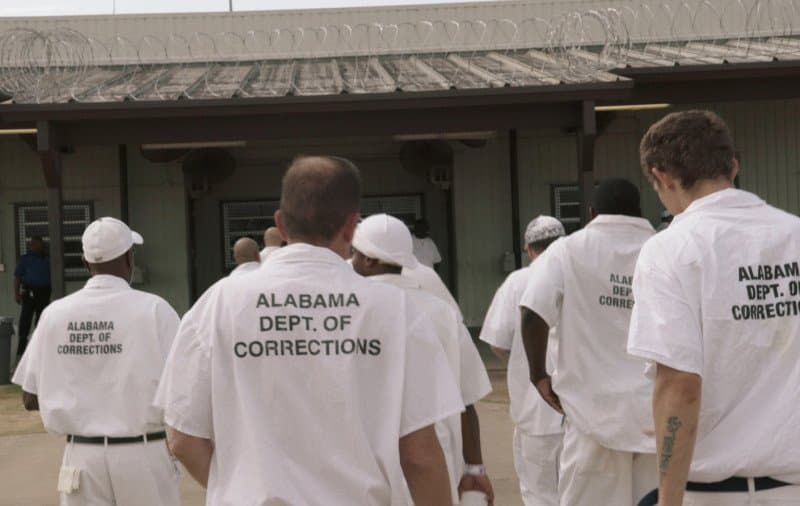
An Oscar-nominated documentary built from contraband cellphone footage shot inside Alabama prisons is headed to a California university campus on April 15, when California Lutheran University screens The Alabama Solution at Richter Hall in Thousand Oaks as part of its Reel Justice Film Series. The 5:30 p.m. event is free and open to the public, hosted by the Sarah W. Heath Center for Equality and Justice.
The booking arrives roughly six weeks after community members, activists, and local leaders gathered at Birmingham's historic Carver Theatre for a screening tied to the film's Oscar nomination, and more than a year after its world premiere at the 2025 Sundance Film Festival on January 28, 2025. That arc, from Park City to Birmingham to Thousand Oaks, maps a circuit that Alabama filmmakers can study and replicate.
Directed by Andrew Jarecki and Charlotte Kaufman, the film documents the death of Steven Davis, an incarcerated man beaten to death by prison guards inside Alabama's prison system and the subsequent cover-up by state authorities. Built from six years of footage recorded on contraband cellphones by incarcerated men including on-screen subjects Raoul Poole, Robert Earl Council, Melvin Ray, and Sandy Ray, the 115-minute film arrives at CLU with immediate curricular context: roughly 1,380 people have died in Alabama prisons since 2019, and approximately 28,000 people are currently in state custody.
The production structure itself is part of the film's appeal on the academic circuit. Co-producer Alelur "Alex" Duran, a formerly incarcerated individual, brought firsthand knowledge to the project alongside co-producers Beth Shelburne and Page Marsella, a participatory model that campus centers in criminal justice, law, and social policy find particularly resonant. Jarecki's prior work adds institutional weight: he won an Emmy for the HBO docuseries The Jinx: The Life and Deaths of Robert Durst and received an Oscar nomination for Capturing the Friedmans, which took the Grand Jury Prize at Sundance 2003. Kaufman, his co-director on The Alabama Solution, produced HBO's The Jinx: Part Two.
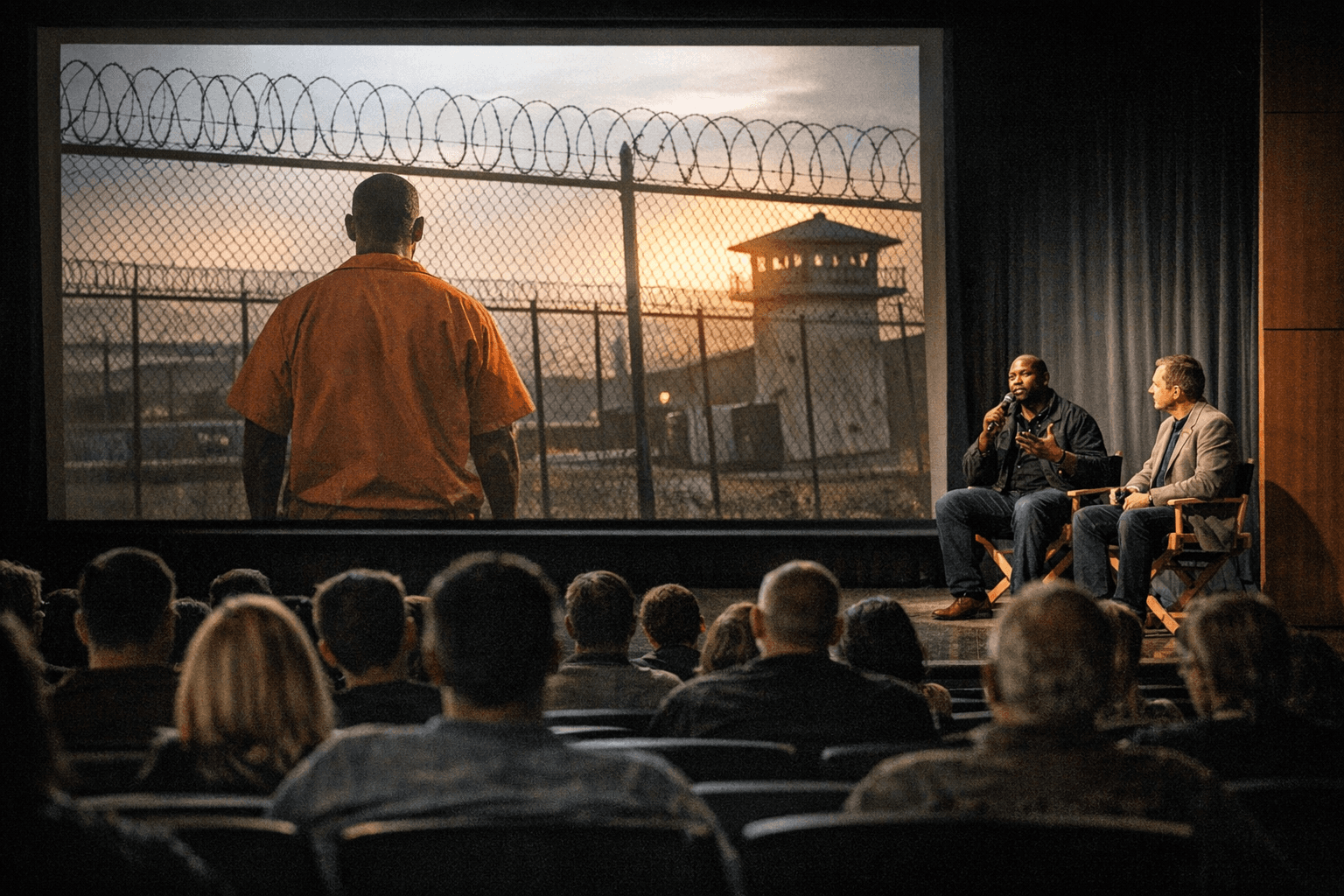
The CLU booking reflects a well-defined post-nomination surge. The film accumulated approximately 60 community screenings before the 98th Academy Awards, where it was nominated for Best Documentary Feature but lost to Mister Nobody Against Putin. That nomination still drove programming interest: the Carver Theatre event in Birmingham followed in March 2026, and the CLU Reel Justice slot came weeks later. The series has a track record of filmmaker appearances, including a post-screening talk by Chris Paine, director of Who Killed the Electric Car?, and has taken programming off-campus to venues like Oxnard College.
Alabama documentary producers who want to move a regionally focused film into this circuit should study the full playbook the Jarecki-Kaufman team used: a strong festival premiere to generate press and distribution leverage, an HBO deal that concentrated audiences ahead of awards season, and a community screening campaign, roughly 60 events between the Montgomery Capri Theatre premiere on October 10, 2025, and the Oscar nomination, that built the grassroots credibility campus programmers look for. From there, the tools are straightforward: a press kit anchored in verifiable data, a downloadable discussion guide tied to the film's central themes, confirmed Q&A availability from filmmakers or subject-matter experts, and a licensing structure that keeps the screening financially accessible to university centers working on modest programming budgets. The CLU booking shows that when those pieces are in place, an Alabama story travels.
This article was produced by Prism’s automated news system from verified source data, official records, and press releases, then run through automated quality and moderation checks before publishing. The system is built and supervised by the people who set the standards it runs under. Read our full AI policy.
Did this article answer your question?


