UA screens Chernobyl documentary for 40th anniversary discussion
UA turned a 51-minute Chernobyl documentary into a faculty-led anniversary conversation, adding context on nuclear history, memory and public responsibility.
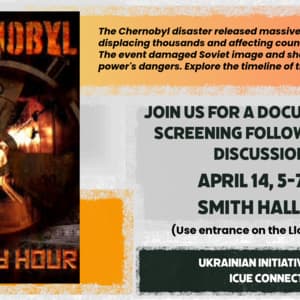
The University of Alabama gave Chernobyl: Hour by Hour a larger stage than a standard screening by pairing the film with a faculty discussion in Smith Hall, room 205. The Ukrainian Initiative Group hosted the program on April 14, using the 2020 documentary as the centerpiece of a conversation tied to the 40th anniversary of the Chernobyl explosion in 2026.
UA’s calendar listed the screening from 3 p.m. to 5 p.m., while a related UA and ICUE Connector listing placed the event from 5 p.m. to 7 p.m. on the same date, a sign that the program was promoted across more than one campus page. However it was timed, the structure was the draw: watch the film, then stay for a discussion with UA faculty.
That format matters because the documentary is built for explanation as much as commemoration. IMDb lists Chernobyl: Hour by Hour as a 51-minute film directed by Piers Garland, with credits that include Uilleam Blacker and Mikhail Gorbachev. On its connector page, UA described the program as a close look at what went wrong during the night of the disaster, the broader consequences, and the long shadow the event cast over global views of nuclear energy and the Soviet Union.
The historical weight behind that framing is hard to overstate. The International Atomic Energy Agency says Reactor No. 4 at the Chernobyl Nuclear Power Plant went out of control during a low-power test on April 26, 1986, leading to explosions and fire that released large amounts of radiation into the atmosphere. The World Health Organization calls it the worst nuclear accident in human history and says it affected millions of people across Belarus, Ukraine and the Russian Federation, alongside traumatic evacuation and relocation.
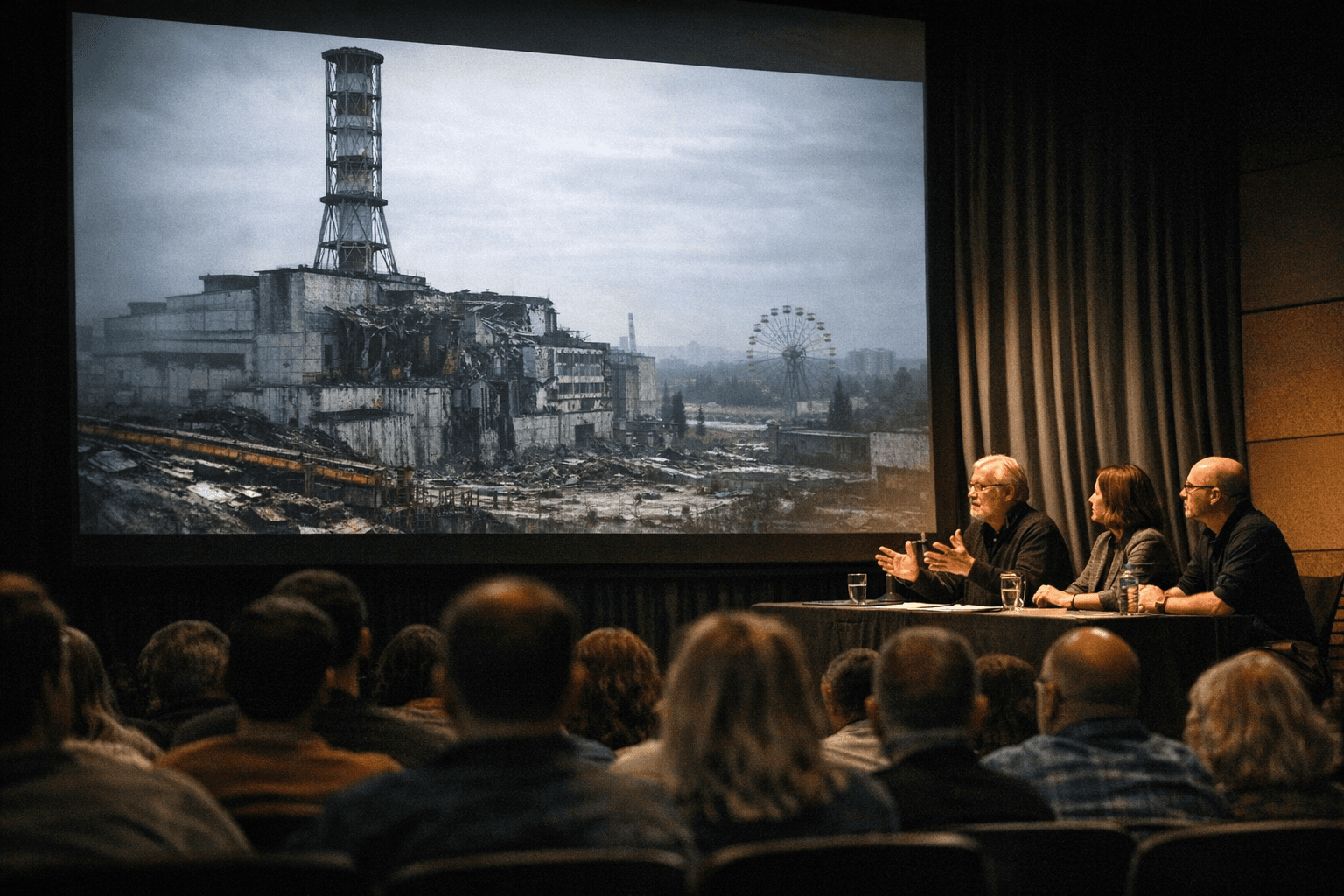
For Alabama film audiences, that makes the UA event more than a campus date on a calendar. It shows how documentary cinema can stay visible locally when universities treat screenings as public-facing learning experiences instead of passive showings. A discussion-led event like this gives nonfiction film room to do what it does best: connect history, science, politics and memory in a way that stays accessible to students, faculty and the wider community.
The timing also fit a wider remembrance moment. April 26, 2026 marked 40 years since the Chernobyl disaster, and UA’s screening placed Alabama viewers inside that anniversary conversation well before the date itself arrived.
This article was produced by Prism’s automated news system from verified source data, official records, and press releases, then run through automated quality and moderation checks before publishing. The system is built and supervised by the people who set the standards it runs under. Read our full AI policy.
Did this article answer your question?


