Jim Cummings interview on The Yeti spotlights indie cinema's future
Jim Cummings’s Yeti chat becomes a sharp read on indie film: bold genre work still draws crowds, but only certain risks get financed and booked.
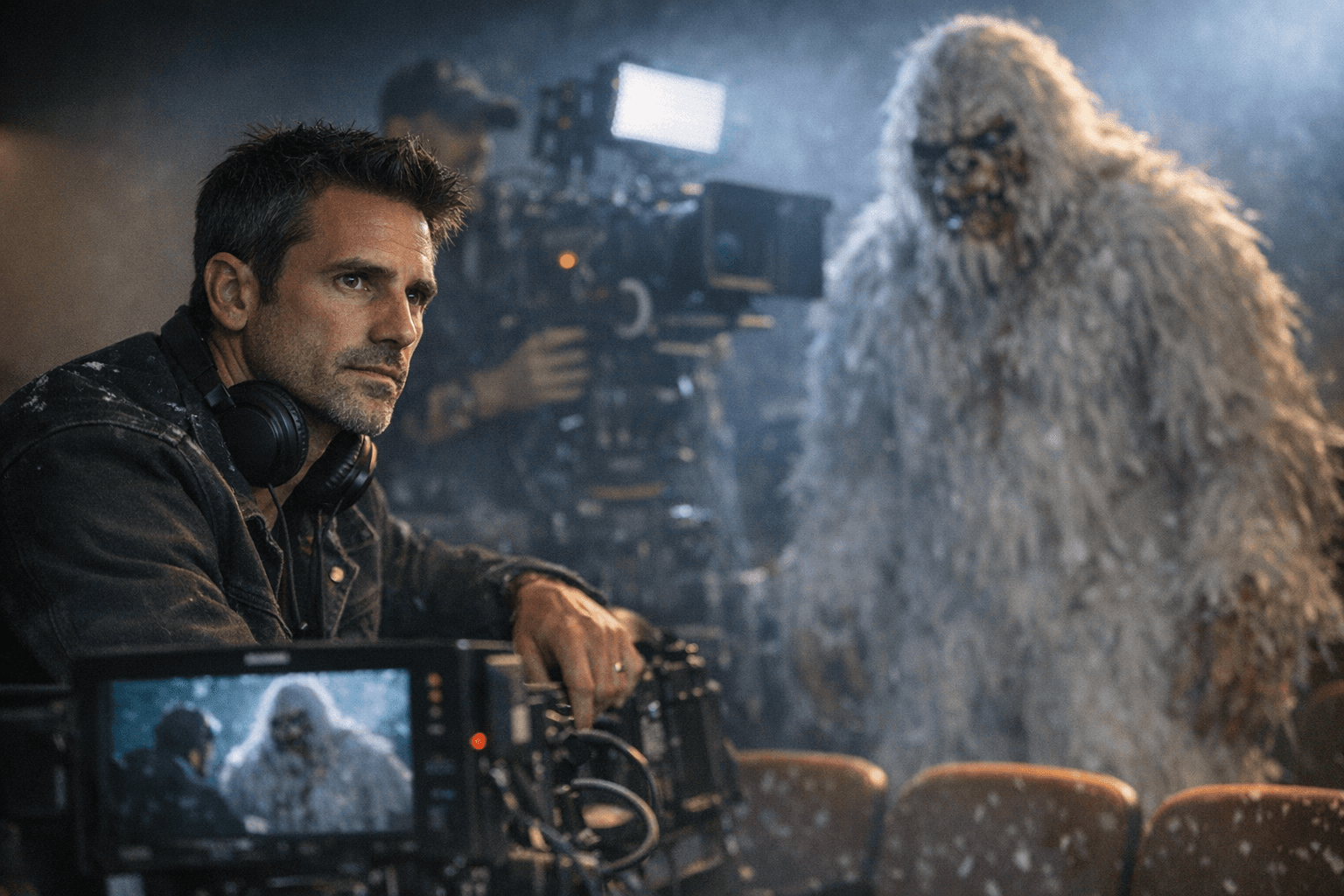
A creature feature that points beyond the monster
A creature-feature interview can tell you a lot about the state of independent cinema, and Jim Cummings’s turn in *The Yeti* does exactly that. The conversation starts with a new role in a genre film, then opens into a bigger question Alabama indie people know well: how do small films survive when attention, money, and screen space are all fighting over the same narrow lane?
That tension is what makes the interview matter beyond the movie itself. Audiences still seem willing to show up for bold, personal work, especially when it comes wrapped in a recognizable genre hook. The problem is that financing and distribution do not reward every kind of risk equally, which is why genre filmmaking has become both a creative outlet and a practical survival strategy.
Why genre keeps working when the market gets tighter
Creature features, horror-adjacent stories, and other offbeat genre titles do something indie cinema needs badly right now: they give programmers and audiences a clean reason to pay attention. A film like *The Yeti*, which was set for a limited theatrical release in April 2026, has a built-in promise. It is unusual enough to stand out, but familiar enough to explain in a single sentence, which is exactly the kind of hook that can travel through festivals, art houses, and word of mouth.
That is part of the larger lesson in Cummings’s interview with Ayesha Rascoe. When he talks about *The Yeti*, creature features, and how to keep independent cinema alive, the subtext is clear: the indie market still makes room for personality, but it often demands a package that can be described, sold, and scheduled quickly. For Alabama filmmakers, that makes genre less of a compromise than a tool. It can be the clearest path to getting a movie made, seen, and discussed.
What Alabama’s cinema footprint shows about survival
The Alabama side of this story is not abstract. The state’s independent-cinema footprint includes the Capri Theatre in Montgomery, which describes itself as Montgomery’s only independent cinema and has been operated by the nonprofit Capri Community Film Society since 1983. It sits in the heart of the Cloverdale neighborhood, which gives it the feel of a neighborhood anchor as much as a screening room.
Mobile has its own important piece of the puzzle in the Crescent Theater, which art-house listings identify as another independent Alabama venue. Together, those spaces show how fragile and how resilient indie exhibition can be here. They do not just screen movies; they preserve a calendar, a habit, and a public argument for why smaller films deserve a place between the bigger commercial releases.
That is why a national conversation about a genre film still lands locally. Alabama film culture often depends on a handful of institutions, recurring screenings, and community-minded programming to keep the conversation alive between festivals. When a public-radio segment treats independent cinema as something worth discussing on the national stage, it reinforces what these theaters already know: indie film is not a niche curiosity, it is a living part of screen culture that still needs places willing to take a chance on it.
What Film Independent says about the wider ecosystem
Film Independent helps fill in the larger picture. The organization says it helps filmmakers make movies, build audiences, and diversify the film industry, and it identifies the Spirit Awards as its largest annual celebration. That mission matters because indie cinema is never only about production. It is also about audience-building, exhibition, and the long middle stretch between finishing a film and keeping it visible.
That broader ecosystem is exactly where genre can become strategic. A filmmaker does not have to make a monster movie just to chase a trend. But when a creature feature gives a project a clear identity, it can help connect the dots between production money, audience curiosity, and programmers who need something fresh for their screens. In a climate where risk is increasingly filtered through marketability, genre can become the language that lets a deeply personal film move through the system.
What Alabama filmmakers can take from The Yeti
The useful takeaway for Alabama independent film is not that every project should become a monster movie. It is that genre can offer a practical route through a market that is crowded, cautious, and highly selective. If the film world is willing to fund only certain kinds of originality, then the smart move is to understand which forms carry both artistic freedom and commercial clarity.
A few lessons stand out:
- Build around a strong hook. A creature feature, thriller, or other genre frame can make an original voice easier to pitch and easier to remember.
- Think about exhibition early. Theaters like the Capri Theatre and Crescent Theater matter because they prove that local venues can still be part of a film’s life cycle.
- Treat audience-building as part of the work. Film Independent’s focus on making movies, building audiences, and diversifying the industry reflects the reality that a film does not end when production wraps.
- Use genre as a pressure valve, not a crutch. The best indie genre films do more than deliver a premise. They use the premise to say something personal enough to linger.
That is the real value of Cummings’s interview. *The Yeti* is a movie, but the conversation around it is about the future of the entire ecosystem. For Alabama’s filmmakers, programmers, and theater supporters, the message is blunt and useful: the indie market may be narrowing, but the case for bold work is still alive, especially when that work knows how to meet audiences where they already are.
This article was produced by Prism’s automated news system from verified source data, official records, and press releases, then run through automated quality and moderation checks before publishing. The system is built and supervised by the people who set the standards it runs under. Read our full AI policy.
Did this article answer your question?


