24-Hour Feisty Pickles Challenge Mobilizes 200 Players, Raises $96,650 for Alberta Lung
Read how a 24-hour relay-style pickleball marathon drew 200+ players and raised $96,650 for Alberta Lung’s Breathing Space project, plus lessons for clubs and organizers.

1. Event at a glance: endurance pickleball with community muscle
The Feisty Pickles 24-Hour Pickleball Challenge mobilized more than 200 players in a nonstop relay that kept courts humming for a full day, and raised $96,650 for Alberta Lung’s “Breathing Space” project. The event blended endurance play with fundraiser energy, proving that amateur tournaments can double as major community engines when organizers set an ambitious goal and keep the format social and accessible.
2. The 24-hour relay/rotation format explained
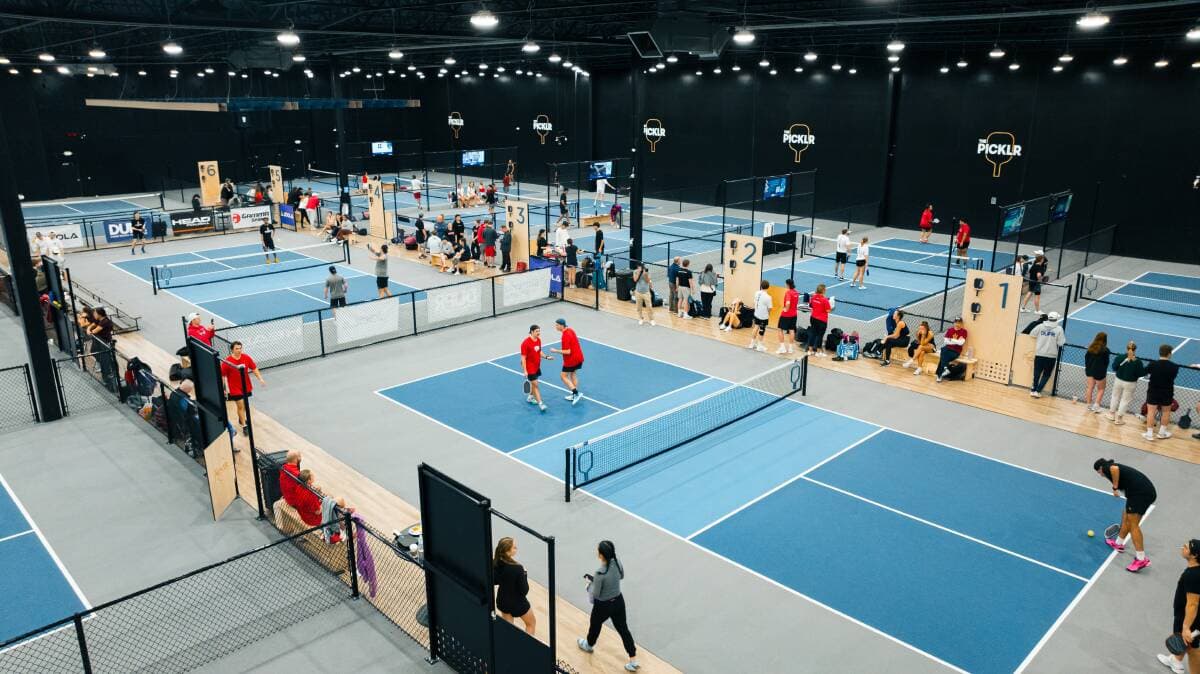
Organizers ran the tournament continuously for 24 hours using a relay and rotation system that kept every court active. Teams rotated players in shifts so fresh legs and strategic pairings could sustain long rallies; the format allowed squads to manage fatigue, mix competitive and social play, and keep spectators engaged through changing lineups. That relay model is practical for clubs wanting to maximize court time without burning out any single player.
3. Player turnout and overnight commitment
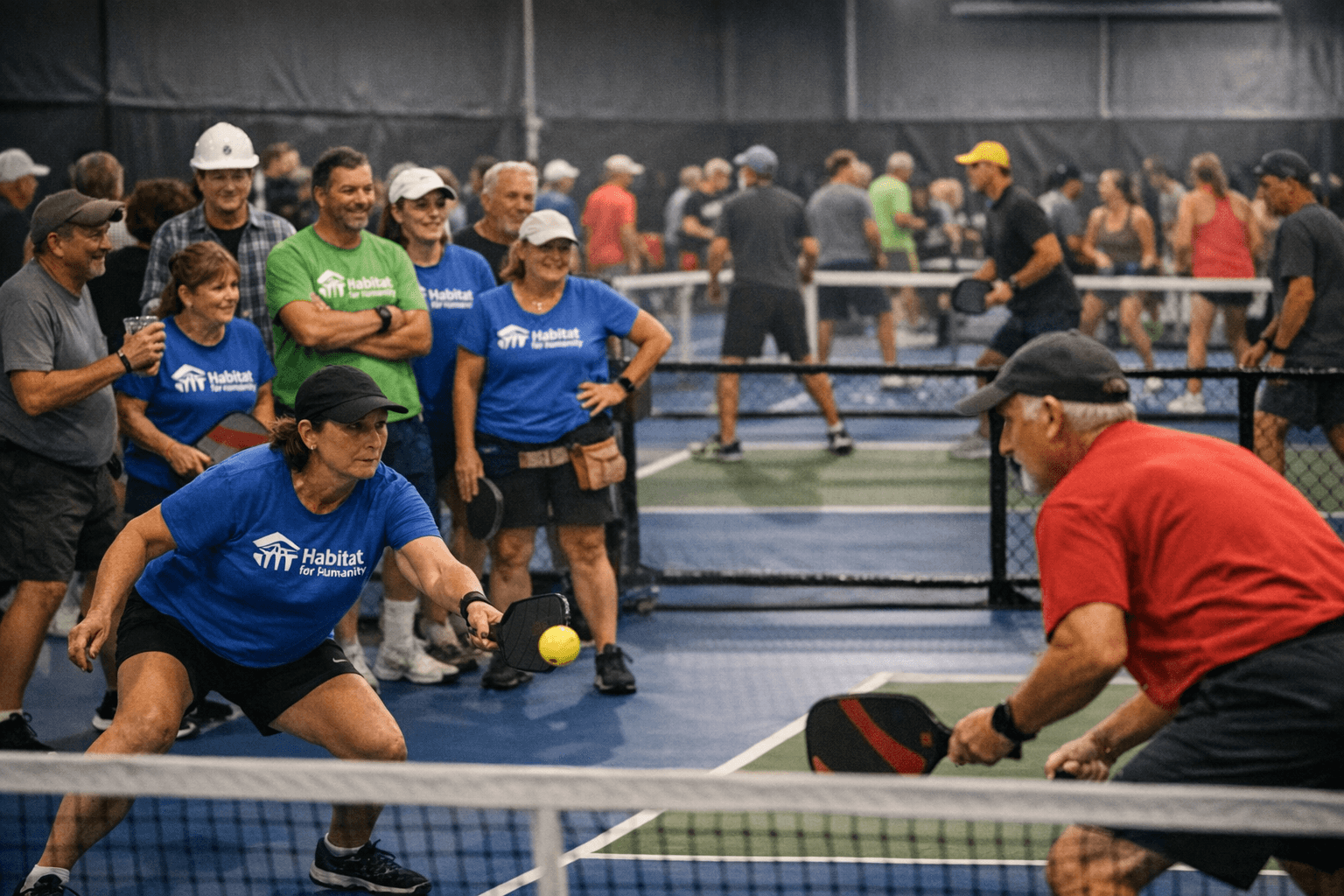
More than 200 players signed up, and some teams committed to sleeping at the facility to maintain their slots overnight, a real testament to community buy-in. The overnight element turned the event into a true social campout, with camaraderie, strategy talks, and midnight dinks replacing the typical post-match handshake. For local clubs, that kind of commitment signals a strong participant base ready for more creative formats.
4. Fundraising results and the beneficiary
The challenge nearly hit a six-figure target, raising $96,650 for Alberta Lung’s “Breathing Space” project, demonstrating how pickleball can be an effective vehicle for charitable fundraising. That total shows both the fundraising ceiling for grassroots events and the power of tying a tournament to a clear, local cause, donors and players alike respond when they see where money is going and how it will help the community.
5. Overcoming a last-minute venue change
A last-minute venue change threatened the event schedule, but the Edmonton Sports Centre stepped in and provided the courts needed to keep the 24-hour plan intact. That quick pivot highlights a core lesson: cultivate strong relationships with multiple facilities and have contingency agreements ready for high-profile fundraisers. Clubs can emulate this by building a backup venue list and formalizing emergency contact protocols with partner facilities.
6. How the relay kept courts active all night
A rolling schedule and clearly defined shift windows were key to preventing lulls and avoiding long wait times between matches. Organizers staggered start times, used quick-match formats to keep throughput high, and tracked player rotations to avoid overlap. These operational details make a huge difference if you want courts to stay busy without chaos, consistency wins over improvisation when managing multiple teams over 24 hours.
- Designated shift leader for each team to handle check-ins and substitutions
- Pre-planned snack and hydration rotations to avoid bottlenecks
- Quiet zones for overnight rest to respect teams who sleep on site
7. Practical play logistics and player welfare
Sustaining a 24-hour push requires attention to player needs: scheduled rest breaks, food and hydration stations, safe sleeping spaces for overnight teams, and light-adjusted court schedules to prevent glare and fatigue. Practical tips include:
These measures keep the event fun and safe, and help avoid the “burned-out-backer” problem that ends participation early.
8. Fundraising mechanics that worked
Transparent goals and regular progress updates kept momentum toward the nearly $100K target. Simple mechanics like visible fundraising thermometers, team-specific pledges, timed donation matches, and social media updates during the event drove engagement. For clubs trying this model, set a clear beneficiary, publicize how funds will be used, and create small wins (stretch goals, donor shout-outs) to sustain interest across a full day.

9. The participant experience: social grit and midnight rallies
The endurance style changed the tone from cutthroat tournament to communal challenge, long rallies, strategic substitutions, and the classic late-night dinking sessions created memorable moments. Players reported a sense of accomplishment that comes from contributing to a cause while logging unusual court hours; the social fabric built during the event is as valuable as the fundraising total. That atmosphere is an asset: it grows retention and word-of-mouth more than a standard bracketed event.
10. Community impact and messaging
Framed as both a stunt and a social good, the event reinforced how amateur pickleball tournaments can be designed for meaningful community impact. The mix of fun, slight absurdity (who can dink through the night?) and clear charitable purpose resonated with players, volunteers, and donors. That dual messaging, playful but purposeful, is a template other clubs can copy to increase turnout and deepen local partnerships.
11. Organizing checklist for clubs who want to replicate this model
If you want to stage your own 24-hour fundraiser, prioritize these essentials: a reliable venue with staff willing to host overnight, a clear rotation format and schedule, contingency plans for equipment and court availability, safety and welfare provisions for overnight players, and a robust fundraising plan. Build volunteer shifts for logistics, set communication channels for real-time updates, and treat donor engagement as a continuous activity during the event rather than a one-off ask.
12. Sponsorship and partnership strategies
Local businesses and facility partners like the Edmonton Sports Centre can be the difference between canceling and pulling off an overnight event. Offer sponsors visible recognition during peak hours, tie in product demos or refreshments, and structure partnerships around mutual visibility and shared community values. For nonprofits like Alberta Lung, these events also expand awareness beyond typical donor circles into active, younger community segments.
13. Lessons learned and what’s next for the scene
The Feisty Pickles challenge shows endurance-style events can be a sustainable addition to the amateur calendar if organizers respect player welfare and have tight logistics. The near-$100K haul proves fundraising ceiling potential, and the community buy-in, teams sleeping at the venue, rotating through the kitchen at 3 a.m., suggests appetite for creative formats. Expect more clubs to experiment with day-long marathons and cause-driven tournaments that mix play, spectacle, and social impact.
14. Final thought: turn your court time into community capital
If your club wants to convert court demand into community benefit, use this model: pick a clear cause, plan for player welfare, keep play continuous with rotation windows, and secure a venue backup. The Feisty Pickles event shows that with grit, a few good paddles, and community spirit, you can create an unforgettable tournament that dings the bell for both competition and charity.
Know something we missed? Have a correction or additional information?
Submit a Tip