Amateur Pickleball Surges in Kathmandu: 30+ Courts Amid Infrastructure Woes
Pickleball has surged in Kathmandu and across Nepal, growing from portable nets to a scene with more than 30 courts, but organisers face cost and maintenance hurdles.

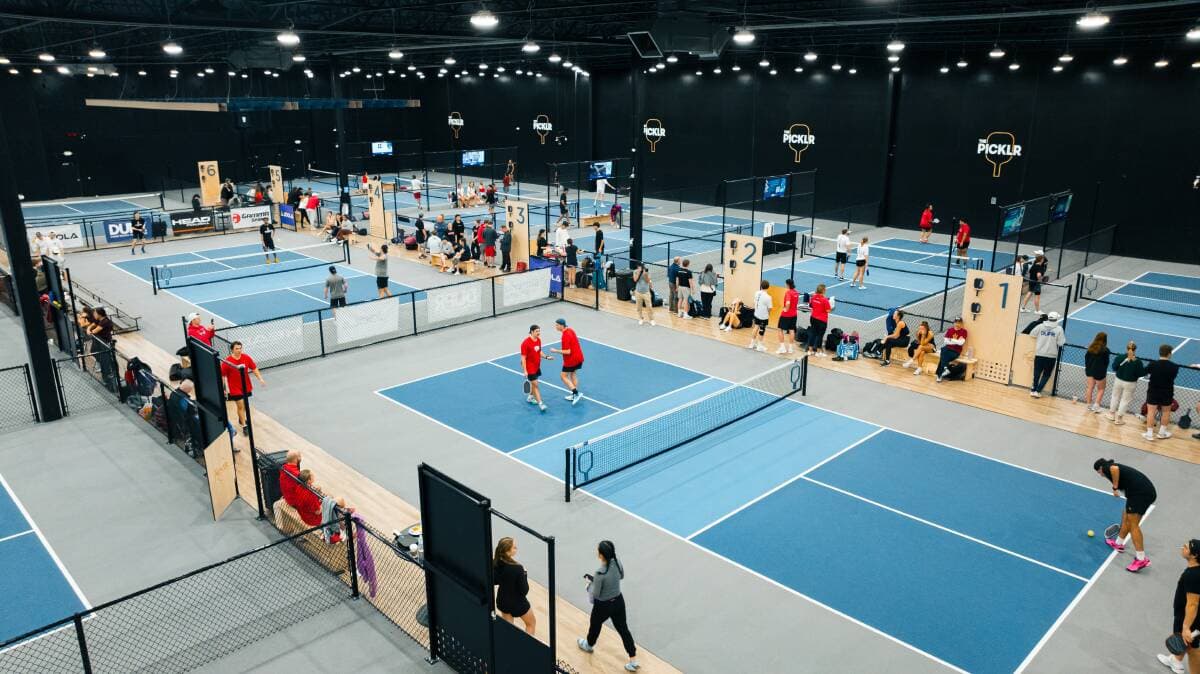
Pickleball grew fast in Kathmandu, driven by travellers and local enthusiasts who turned a few portable nets and paddles into an active playing scene. The sport’s compact footprint made it an easy fit in tight urban spaces, and grassroots organisers including The Flash Pickleball Nepal pushed participation across age groups with training sessions and informal play.
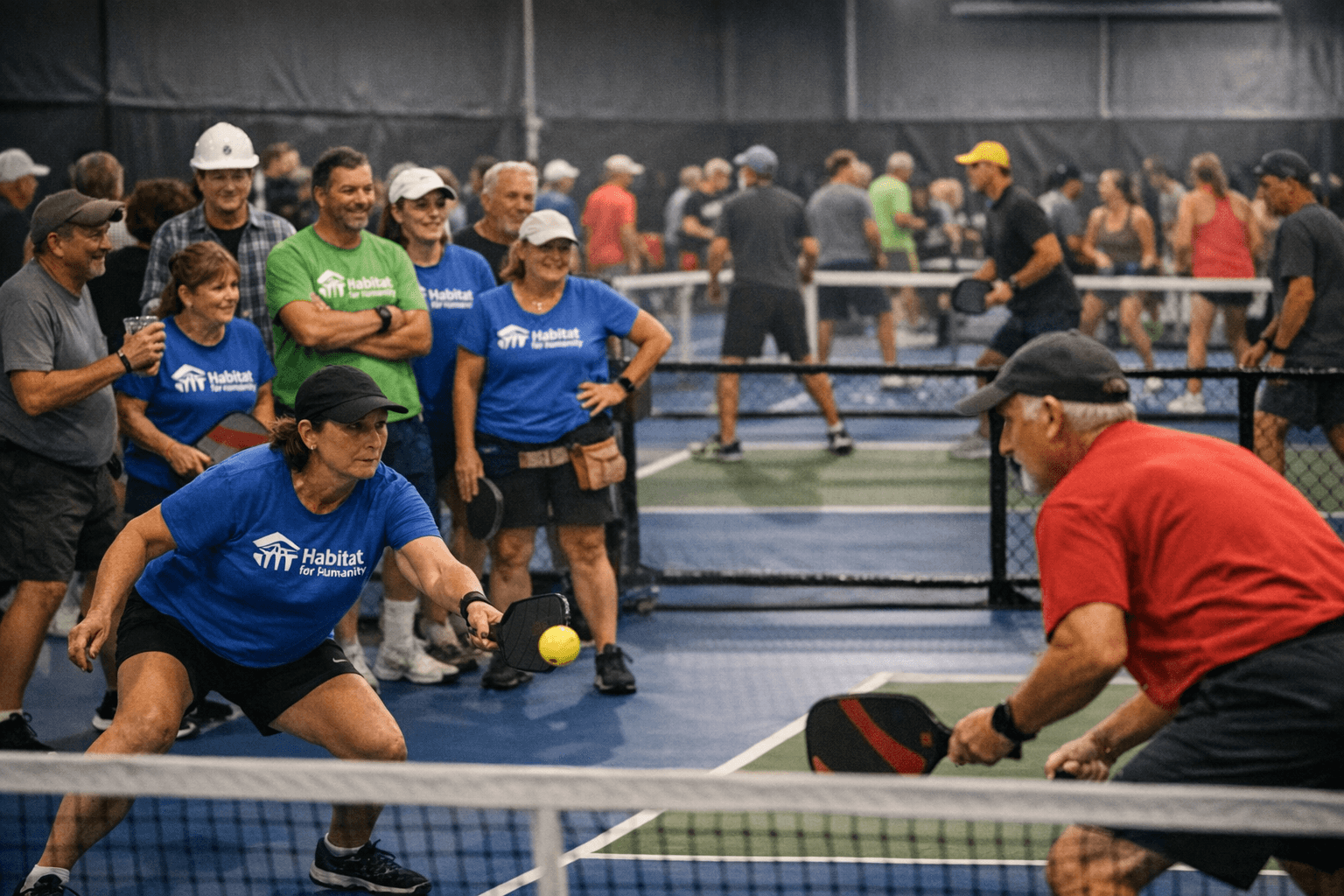
Organisers reported that what began as casual meetups developed into regular drop-in play, clinics and small tournaments. Players cite accessibility and fitness benefits as main draws, with beginners learning basic dinks, kitchen positioning and the third-shot drop while older participants value lower-impact cardio and sociable competition. That appeal helped expand facilities: players and promoters now point to more than 30 dedicated or regularly used courts across Nepal, a marked jump from the early days of folding nets.
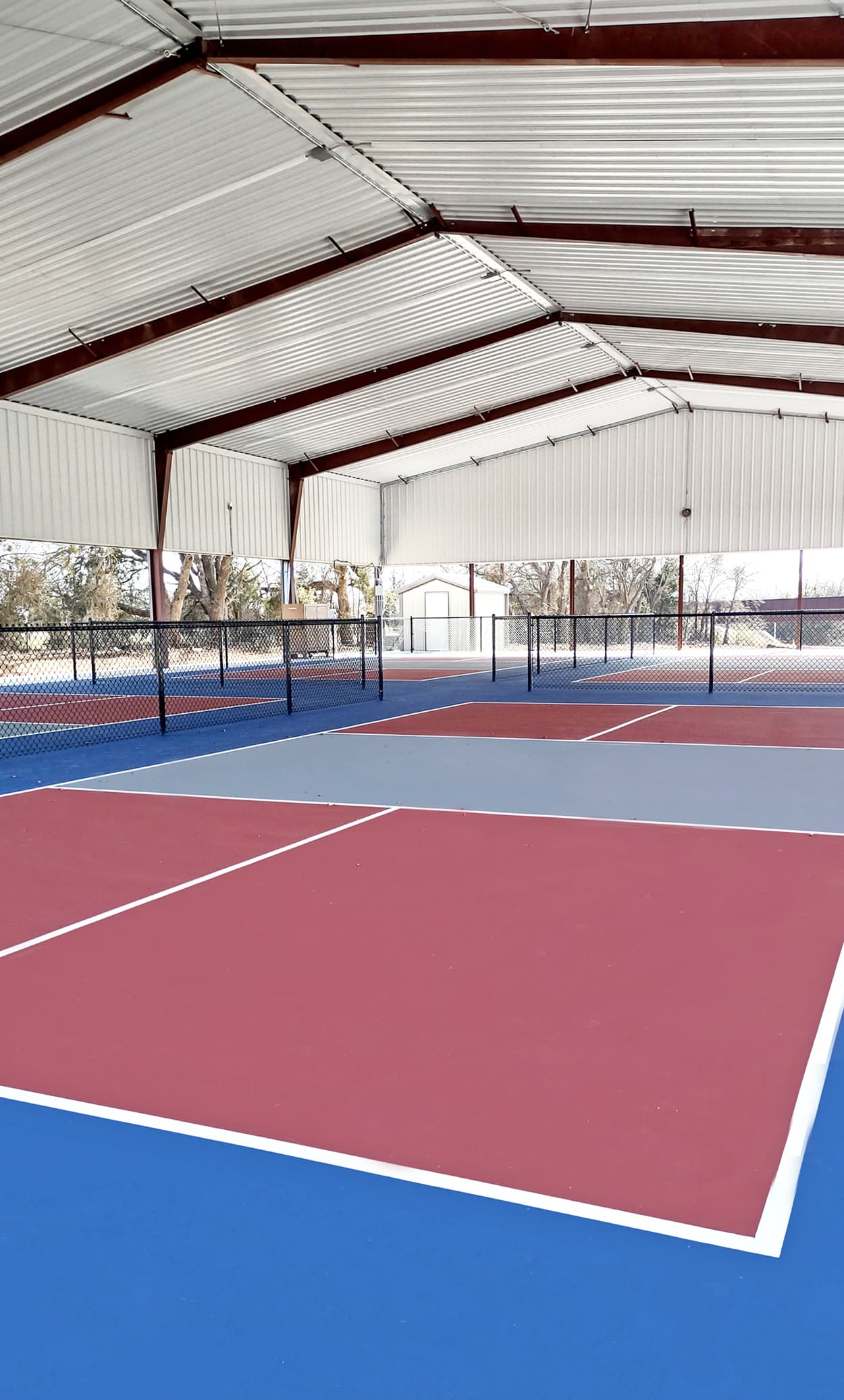
The rapid rise did not erase practical hurdles. Cost remains a major barrier for converting improvised spaces into permanent courts. Maintenance is a constant challenge for outdoor setups, where wear on surfaces and net tension require regular attention. Urban land constraints complicate expansion, even as the small court size gives pickleball an advantage over larger-court sports in dense neighbourhoods.
Local organisers have focused on grassroots training to widen the player base and build a sustainable culture of care for courts and equipment. That community-driven model produced steady increases in participation, but organisers say formal backing is needed to scale. There is growing hope that national sports organisations will recognise pickleball’s potential and provide support for court upgrades, coaching programs and pathways to international competition.
For Kathmandu players and organisers, the immediate priorities are practical: secure affordable court time, share tools and maintenance know-how, and grow coaching capacity so newcomers move from learning basic volleys to reliable shot-making. The scene’s momentum makes it likely that more ad hoc courts and community-led programs will appear in the near term.
What this means for players is a moment of opportunity: keep playing, help maintain local courts, and look to groups like The Flash Pickleball Nepal for training and community events. If national bodies step in, Kathmandu could see more permanent courts, formal leagues and clearer routes to international play, until then, the local community’s energy will keep the dinks coming.
Know something we missed? Have a correction or additional information?
Submit a Tip