Foam-Core Paddles and Quieter Surfaces Shift Amateur Pickleball Toward Control
Foam cores, quieter faces, and a move from raw power to control are driving 2026 paddle choices as foam tech and durable grit reshape amateur play.
Foam-core construction, quieter paddle surfaces and a shift from raw power to control are the three developments shaping paddles this season, EmpowerPickleball’s mid-February 2026 paddle report finds. The site argues these changes are “real material innovation” that bring playability forward rather than spec‑sheet bragging.
Search behavior backs that claim. Accio’s market analysis notes that “the Google Trends data clearly shows a rising consumer interest in ‘foam pickleball paddles’ from mid-2025 into 2026,” and projects the foam-paddle market will expand as manufacturers pair foam cores with premium faces and sustainability efforts. Accio highlights Gen-4 foam cores as a focal point for 2026 product efforts.
On the court, makers and reviewers point to tangible benefits. Heliospickleball calls Gen-4 “solid foam core pickleball paddles” a big news item for 2026, saying they offer “superior vibration dampening, increased durability, and often a larger sweet spot.” EmpowerPickleball adds that “floating and dense foam cores provide more consistent energy return, less vibration, and broader sweet spots,” contrasting foam with older polypropylene honeycomb cores that could compress and shift performance over time.
Manufacturers are experimenting with core chemistry and construction to tune feel and forgiveness. Matt’s Pickleball predicts “increased experimentation with different foam types in full-foam paddles - materials like MPP, Pebax, TPU, silicone foam, and polyimide foam,” and expects brands to place “denser yet softer foams closer to the perimeter of the core” to boost twist weight and broaden sweet spots. Heliospickleball gives concrete setup advice: “Select a thicker 16mm core for control and a thinner 13mm core for more pop.”

Noise and durability concerns are shaping surface design as much as cores. EmpowerPickleball says the marketplace push toward quieter paddle surfaces aims “to reduce HOA/neighbor friction,” and Accio forecasts growth in a formal “quiet category” to meet noise restrictions. On texture, Louis of Pickleball Pursuit sums the product priority plainly: “Durable Grit will be the #1 trend we see in paddles in 2026.”
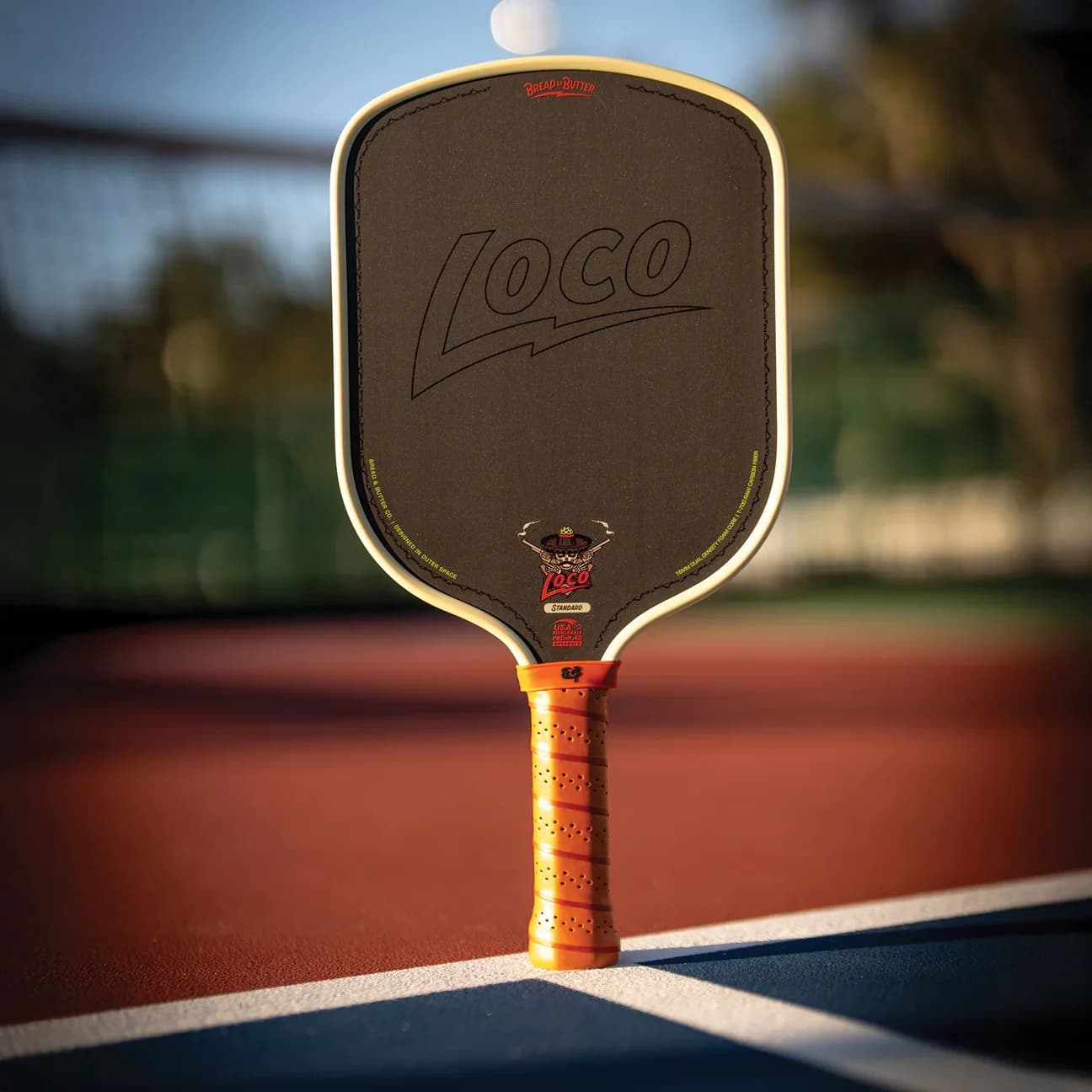
Examples already show the mix of old and new. Pickleheads noted that foam-core models such as the J2NF, Vatic Pro V-SOL and Six Zero Black Opal dominated late-2025 lists, while the RPM Friction Pro remained relevant as a Gen 2 carbon fiber paddle that “generate[s] insane spin and give[s] you reliable pop.” EmpowerPickleball highlights the Bread & Butter Loco as a full-foam construction example, and Heliospickleball says the Helios Apollo still delivers a “crispy” feel even as the brand readies Gen-4 versions.
For players weighing purchases, sensor-equipped paddles are another axis of change. Heliospickleball notes smart paddles “use internal sensors to track swing speed, spin, and impact location, sending data to an app,” a feature pitched to “serious players looking for detailed analytics.” As EmpowerPickleball advises: “Choose With Purpose, Not Hype.”
Know something we missed? Have a correction or additional information?
Submit a Tip