How to Run a Beginner-Friendly Pickleball Meetup: Checklist and 90-Minute Plan
Learn how to set up, run, and grow a welcoming beginner pickleball meetup with a ready checklist and a 90-minute session plan you can use today.
1. Why a beginner-friendly meetup matters
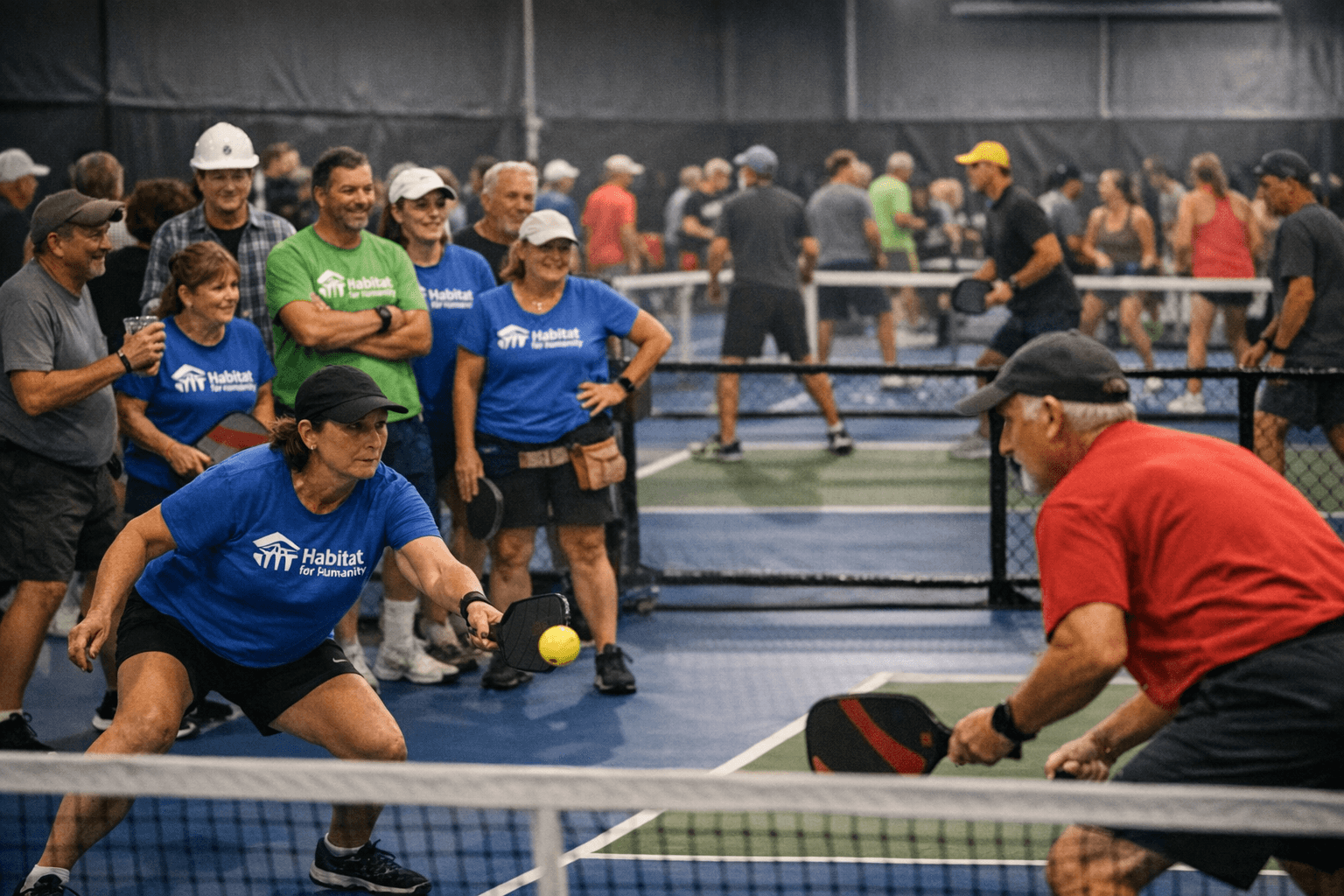
A strong beginner session is the fastest way to grow local pickleball, newcomers stick around when they feel welcome, safe, and able to learn. Meetups help players learn rules, find partners, practice core skills, and form recurring groups that turn into a stable community.
2. Court reservation
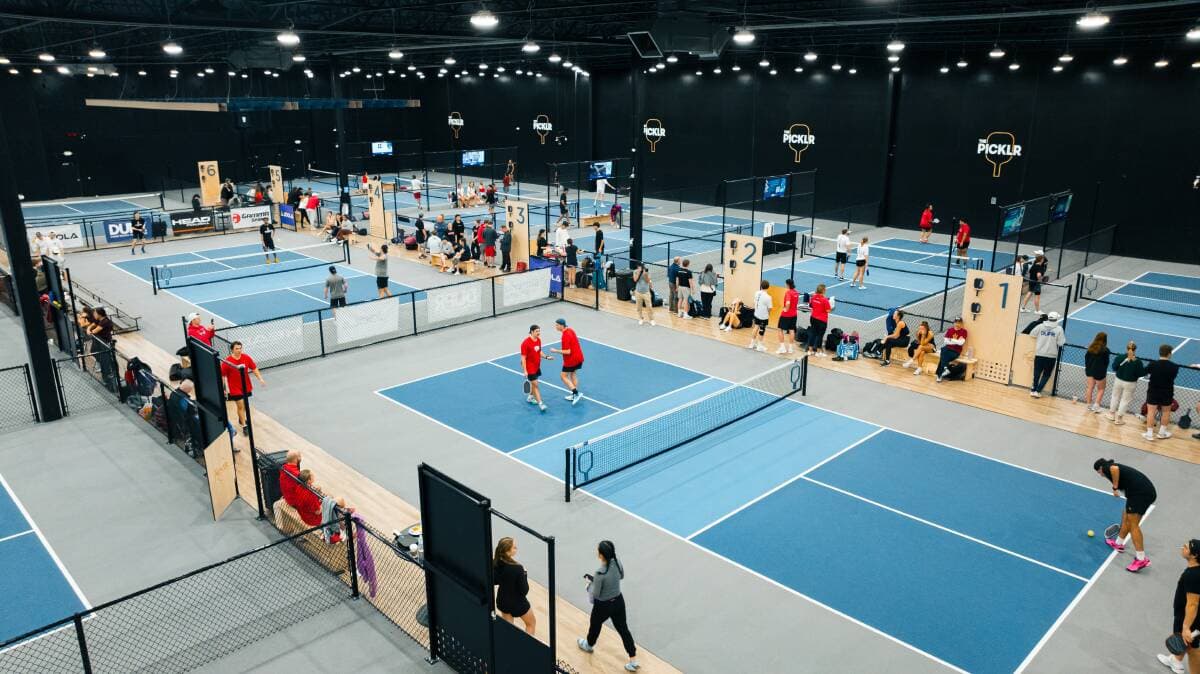
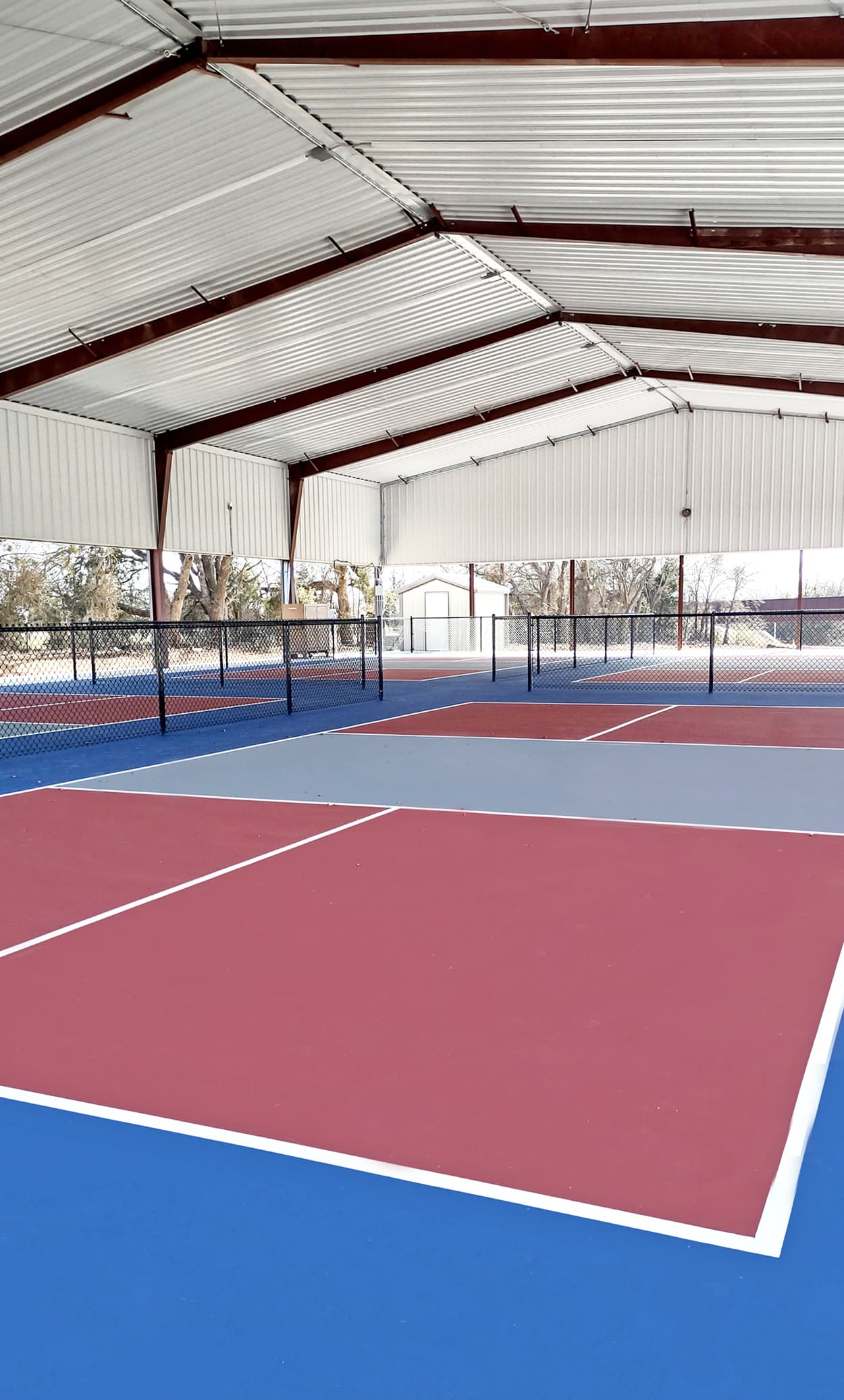
Reserve 2–6 courts based on expected turnout (roughly 20–48 players) so you can run drills and rotations without bottlenecks. Public parks often allow hourly bookings; indoor clubs might require membership or block-booking, so check policies early and lock in a recurring slot to build consistency.
3. Equipment essentials
List the basics for attendees, paddle, water bottle, and non-marking court shoes, so expectations are clear before they arrive. Provide a handful of loan paddles and extra balls; having 6–12 demo paddles or a stash of balls dramatically lowers the entry barrier for first-timers.
4. Liability and safety
Check venue rules and any signage about waivers; if required, bring a simple waiver or an acknowledgement form for players to sign at sign-in. Also plan a brief safety talk and mobility warm-up to reduce injuries, and post basic rules about hydration and how to handle on-court collisions.
5. Skill-level plan and labels
Designate clear areas or times for different skill bands, use labels like Beginner (never played), Intro (played once or twice), and Casual (approximately 3.0–3.5). That clarity steers beginners to the right drills, helps pair them with patient partners, and prevents mismatched games that can frustrate new players.
- 0–10 min: sign-in, quick safety brief, and introductions, use a printed sign-in sheet and a one-minute liability reminder.
- 10–30 min: warm-up and fundamentals, guided serve/return practice, dink basics, and a demo of the third-shot drop with space for partners to try.
- 30–55 min: guided rotation games, short games to 5 or time-limited King-of-the-Court keep energy up and ensure players meet multiple partners.
- 55–75 min: coached situational play, run a two-court drill focused on third-shot drops and net play so learners apply the fundamentals under pressure.
- 75–90 min: open play and wrap-up, player-led matchups, exchange contact info, and announce the next meetup; encourage players to organize ad-hoc practice groups.
6. Sample 90-minute meetup schedule
This timeline works well at community centers and parks; keep it tight and predictable so players know what to expect.
- Target serving: place cones in the service box and have players aim there to build serve consistency and placement.
- Dink-to-dink rally: two players at the kitchen line exchange soft dinks to focus on touch and patience at the net.
- Third-shot drop drill: server serves, returner returns, and the server’s partner practices a soft drop into the kitchen, this builds tactical feel for neutralizing the opponent’s position.
7. Drills that work for beginners
Use simple, repeatable drills that teach control and court sense rather than power.
8. Coaching tips for volunteer leaders
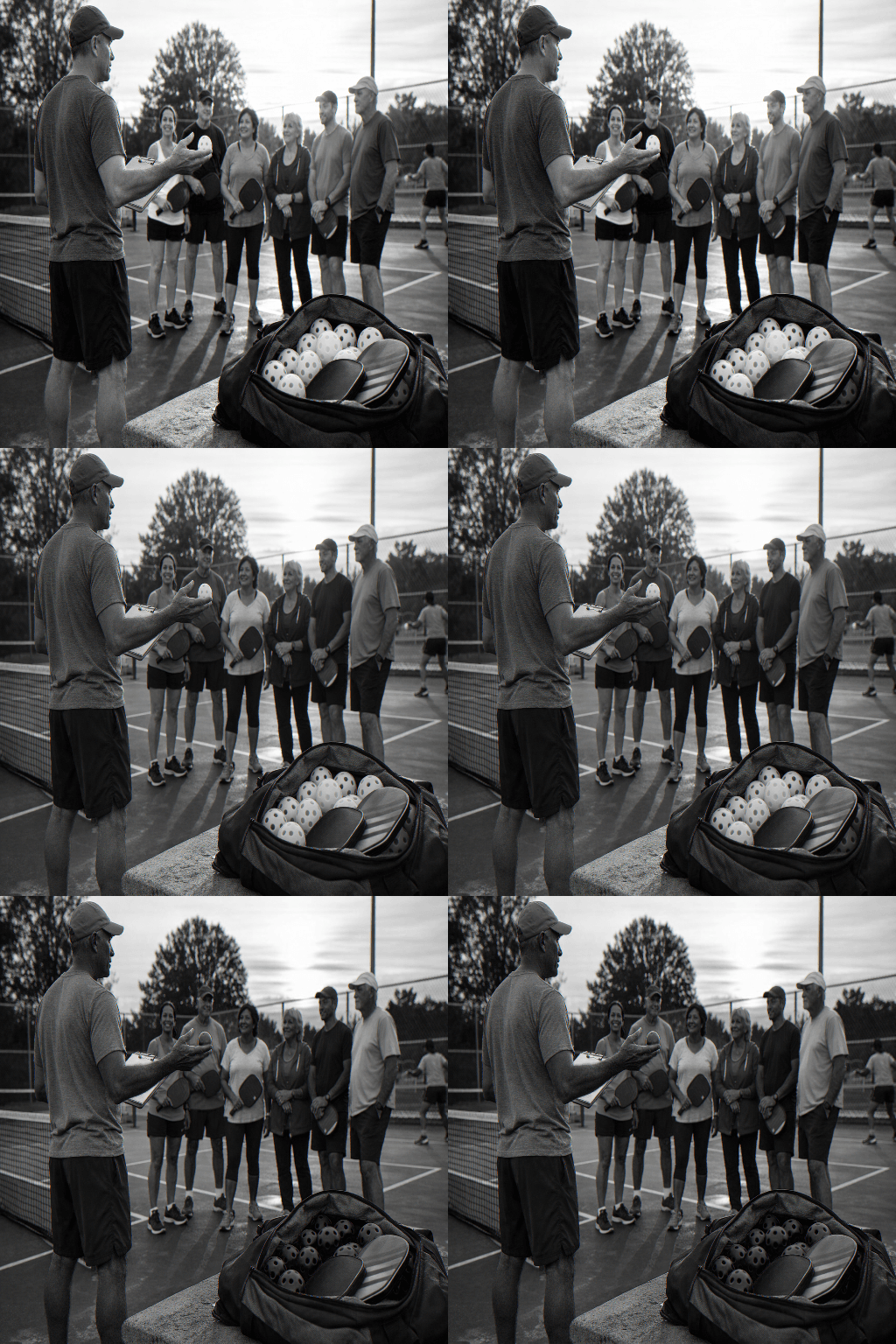
Keep coaching practical, positive, and brief: demonstrate once, give a short cue, then let players practice. Use specific feedback like “try to soften your wrist on the dink” rather than generic praise, and pair beginners with patient intermediates to foster mentorship and faster improvement.
9. Etiquette and rule highlights to emphasize
Teach the double-bounce rule and kitchen/no-volley-zone basics early and repeatedly so newcomers avoid common faults. Stress loud, polite line calls and a “benefit of the doubt or replay” approach for disputed balls, and set fair rotation rules, e.g., winners rotate off after two consecutive games when there’s a waitlist.
10. Promotion, retention, and community-building
Advertise on neighborhood apps (Nextdoor), Meetup, Eventbrite, and Facebook groups to reach local players quickly. Collect emails or start a WhatsApp/Group chat for quick updates, run occasional bring-a-friend days and beginner clinics, and offer mini-tournaments to give players goals and reasons to return.
11. Low-cost budgeting tips
Keep the meetups affordable: ask local clubs for a demo paddle loan, negotiate a bulk discount on balls, or seek small sponsorships from nearby sports stores in exchange for mentions. Use public parks when weather allows and bring portable nets if needed; small snacks or prize vouchers go a long way for community goodwill.
12. Safety, accessibility, and inclusivity
Start each session with hydration and a short mobility routine, and offer softer balls or lower-impact court options for seniors or players with joint concerns. Schedule sessions to avoid peak heat, state your event is welcoming to all ages and genders, and make an explicit inclusivity note in your event listing to set the tone.
Next steps for organizers Lock in a weekly recurring slot on a shared calendar, track attendance, and send a two-question post-meetup survey to learn whether players want more drills, matches, or different times. As you grow, split sessions into tiered blocks, an instructor-led beginner clinic and later open play, once you reach about 30 regulars.
Practical close Run a simple, consistent meetup, keep the emphasis on friendly skill-building, and iterate from player feedback; the best thing you can do is show up, keep the kitchen polite, and make sure the next person who walks in finds a racket and a smile.
Know something we missed? Have a correction or additional information?
Submit a Tip