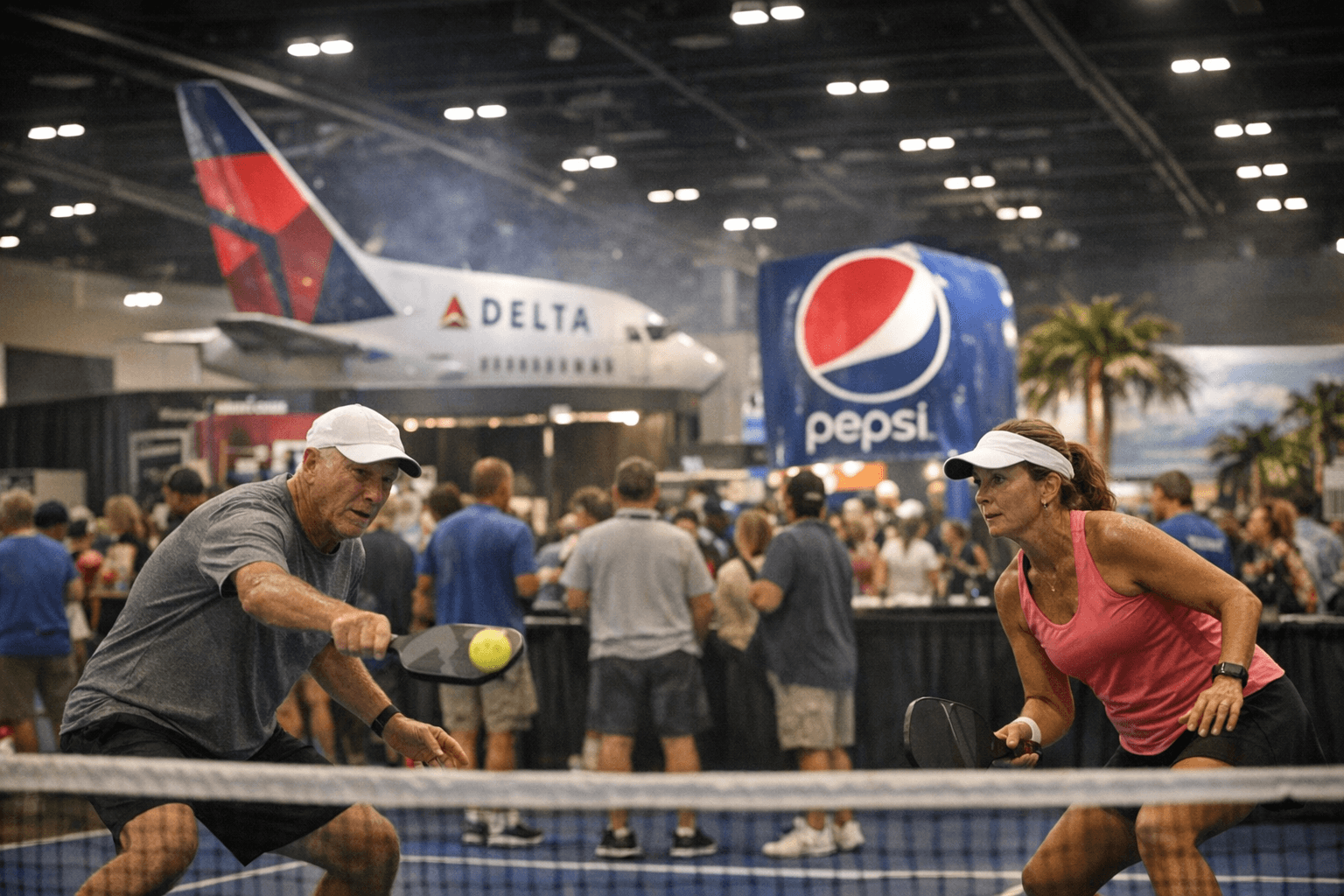
Paddle Bans, Bankruptcies Signal Stress in Maturing Pickleball Industry
Two paddle-industry shocks in two weeks: the Proton tour ban and Gamma Sports' Chapter 11 filing reveal a reckoning beneath pickleball's boom.

The pickleball industry spent years telling a growth story. Two events in the span of roughly ten days complicated that narrative considerably.
On March 30, Proton paddles were banned from all sanctioned professional play, effective at the close of the Greater Zion Cup. PPA Tour Commissioner Connor Pardoe confirmed the action in a memo to players, citing a failure to settle financial obligations across multiple governing bodies. "Proton has failed to resolve its outstanding debts and is now in bad standing with the United Pickleball Association (UPA), the PPA Tour, Major League Pickleball (MLP), and Pickleball Inc.," Pardoe wrote, adding that the action came "despite repeated communications, clear contractual obligations, and ample time to cure." Any pro currently using or sponsored by Proton was instructed to secure alternative equipment immediately, with Pardoe noting that amateur-play policies were also under review.
Ten days earlier, Gamma Sports filed for Chapter 11 bankruptcy protection in U.S. Bankruptcy Court for the Western District. The Pittsburgh-based company, a family-owned manufacturer and retailer operating under the legal name Ferrari Importing, Inc., has been making racket and paddle sports equipment for more than 60 years. The filing landed even as pickleball was being cited, for the fourth consecutive year, as the fastest-growing sport in the country.
A World Pickleball Magazine analysis published this past weekend treated these two events not as coincidences but as data points in the same pattern. The piece argued that tightening gear-approval processes, more aggressive commercial oversight from tours, and shrinking margins in crowded market segments had been building pressure on manufacturers for some time. Approximately six paddles have been decertified over the past 12 months alone, a figure that reflects the increasingly exacting standards tours and governing bodies are applying to equipment.
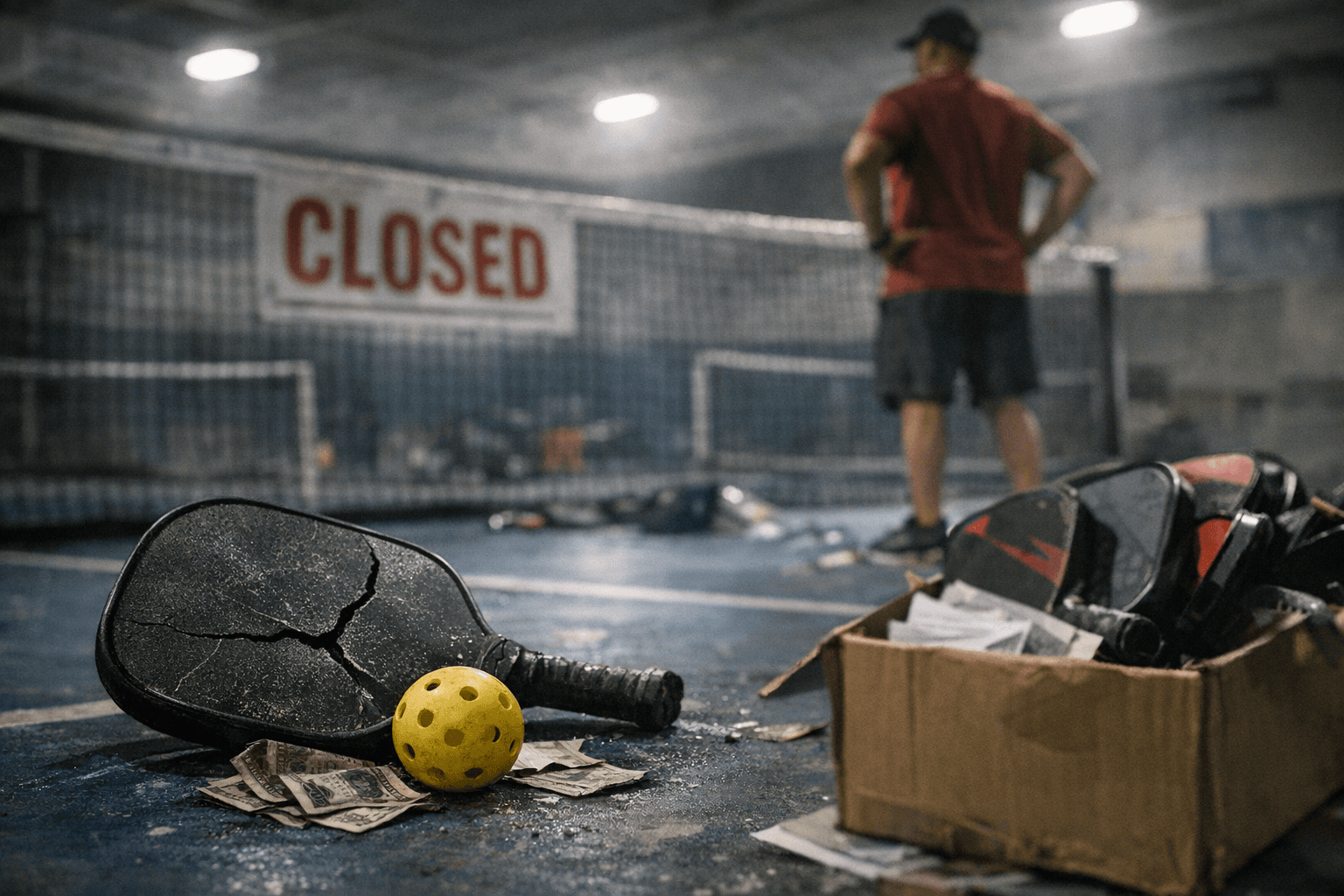
The practical fallout for club players and tournament organizers is real, even if less dramatic than what sponsored professionals are facing. Players who purchased Proton or Gamma equipment may find warranty claims difficult to pursue. Tournament directors who relied on either brand as a sponsor or equipment partner now need backup plans. The World Pickleball Magazine analysis specifically recommended that event organizers codify contingency protocols for sudden equipment delistings, so competitors aren't turned away at the gate over a paddle that was legal when they registered.
For retail shops, the message is similar: stay in close contact with governing bodies when a major supplier shows signs of financial stress, because inventory disruptions and pricing volatility tend to follow quickly once those stress signals emerge.
The longer arc, if the consolidation the analysis predicted holds, may actually stabilize the market. Larger, better-capitalized brands absorbing the assets and market share of distressed competitors would reduce the number of players chasing approval slots and sponsor contracts. That process is rarely clean for those caught in the middle of it, but a leaner supplier landscape at least offers predictability. The boom years attracted too many entrants into a market that was never going to support all of them indefinitely; the consolidation period was always coming. It just arrived faster, and more visibly, than most expected.
Know something we missed? Have a correction or additional information?
Submit a Tip