Pickleball Booms in China as Cities, Celebrities, Brands Drive Uptick
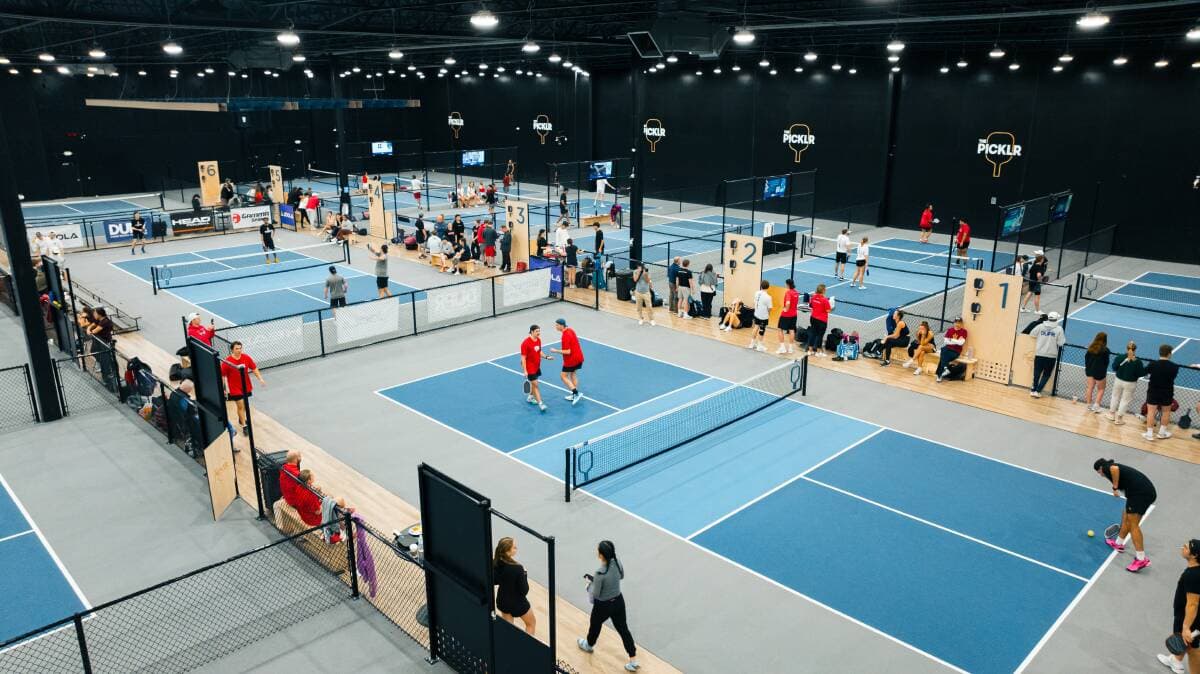
Pickleball has surged across Chinese cities with packed indoor venues in Beijing and other metropolises, a flood of short-form instruction on Douyin and Xiaohongshu, and active promotion by table-tennis and sports brands. The sport’s easy rules, social appeal, and coordinated efforts from organizations and celebrities are turning pickleball into a mainstream urban activity with growing events, products, and infrastructure.

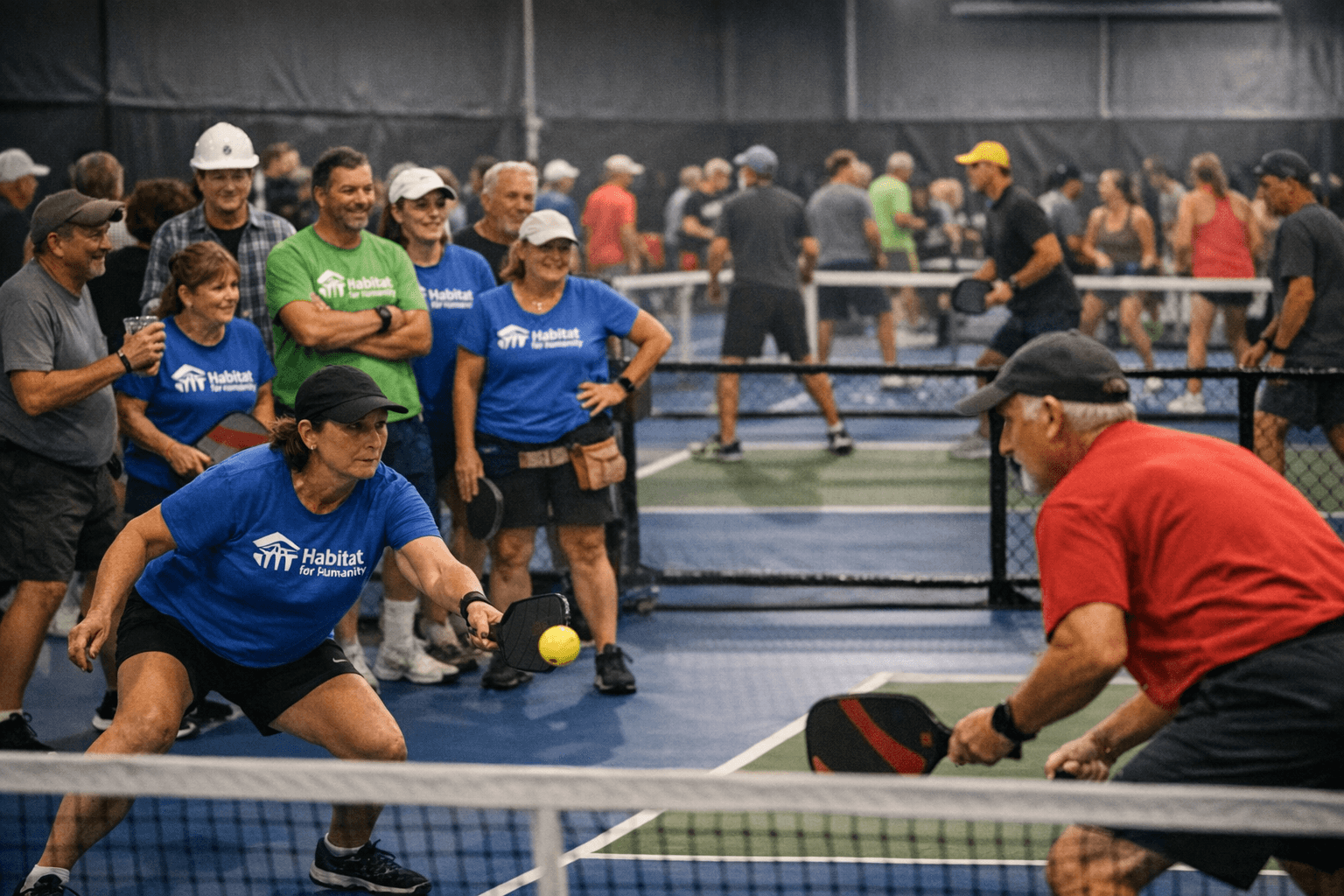
Pickleball’s rapid expansion in China is visible this winter in crowded indoor courts, viral coaching clips, and a growing commercial and institutional push to build the sport into an everyday urban pastime. In Beijing and other large cities, venues report steady traffic for amateur play, while online videos teaching basics and drills rack up huge view counts on platforms such as Douyin and Xiaohongshu, helping new players learn without formal classes.
Established racket-sports businesses have moved quickly to embrace the trend. Table-tennis companies and sports brands, including JOOLA, are investing in marketing and developing product lines aimed at Chinese players. That commercial interest is widening the equipment market and making paddles, nets, and apparel easier to find at local shops and online sellers, which lowers a practical barrier for newcomers and clubs setting up courts.
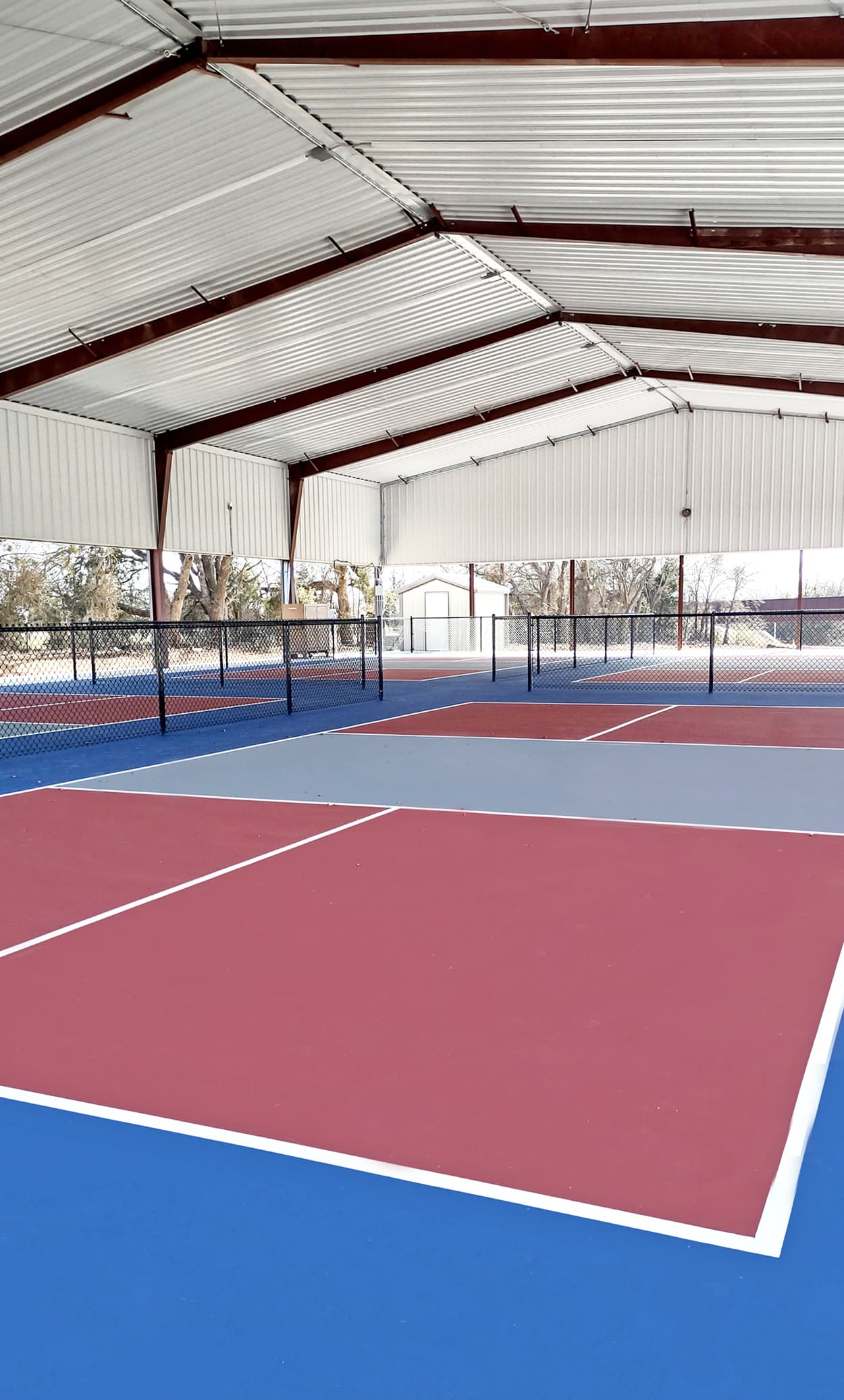
Beyond retail, larger sports organizations are staging events and building infrastructure to support sustained growth. The China Tennis Association and Orange Lion Sports are involved in organizing tournaments and facility projects, signaling an institutional commitment to integrate pickleball into broader sports programming. That involvement creates more opportunities for competitive play, community leagues, and youth outreach as courts and event calendars expand.
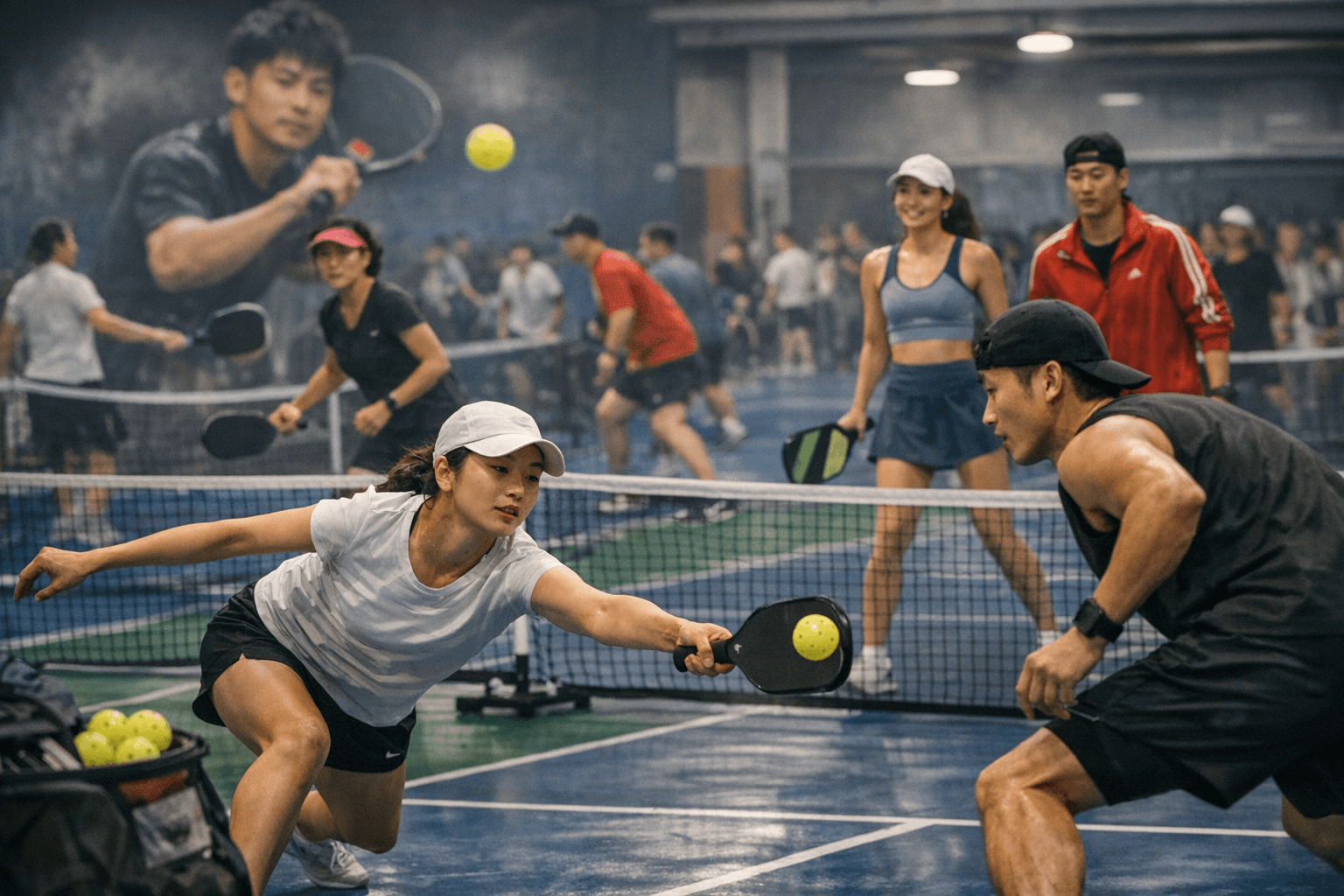
Celebrity participation and social elements are accelerating mainstream appeal. High-profile appearances on social media and at exhibition events draw casual observers into the game, while the sport’s simplicity and focus on doubles play fit well with social lifestyles in dense cities. For amateur players this means more chances to join casual matches, attend pop-up clinics, and find partners through apps and social platforms.
For players and organizers, the immediate practical takeaways are clear. Look to Douyin and Xiaohongshu for bite-sized instruction and local playing groups; expect a growing selection of China-focused equipment from familiar racket-sports brands; and watch for new events and court openings led by national and private sports bodies. As courts spread and coaching content becomes mainstream, the barriers to trying pickleball in China are falling fast.
The shift from a North American pastime to a major urban activity in Chinese metropolises is reshaping the amateur scene. Accessibility, social media-driven learning, brand investment, and institutional promotion together are creating a more robust ecosystem for players at every level, and the coming months should reveal whether that momentum translates into long-term, grassroots stability across the country.
Know something we missed? Have a correction or additional information?
Submit a Tip