Pickleball Primer: History, Rules, Equipment and Tournament Basics for Amateurs
A concise primer explains pickleball's origin, core rules like the Two-Bounce Rule and non-volley zone, gear basics, and how amateurs can approach tournaments and play safely.
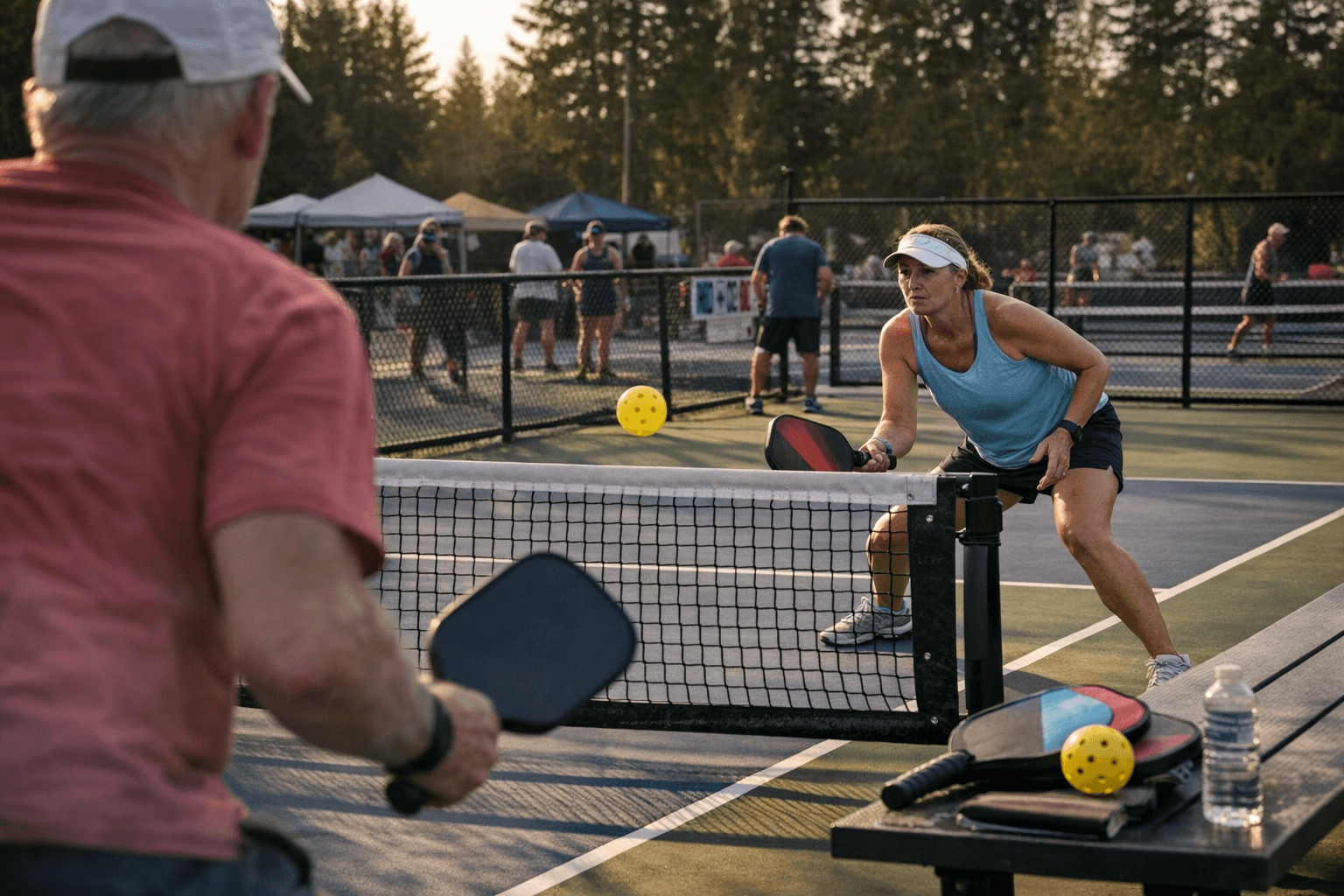
Pickleball started on Bainbridge Island in 1965 and has grown into one of the most accessible court sports for amateurs, combining simple equipment with strategy-rich play. That origin matters because the game's backyard beginnings shaped rules and gear designed for quick learning and community play - ideal for players who want fast progress without a steep equipment investment.
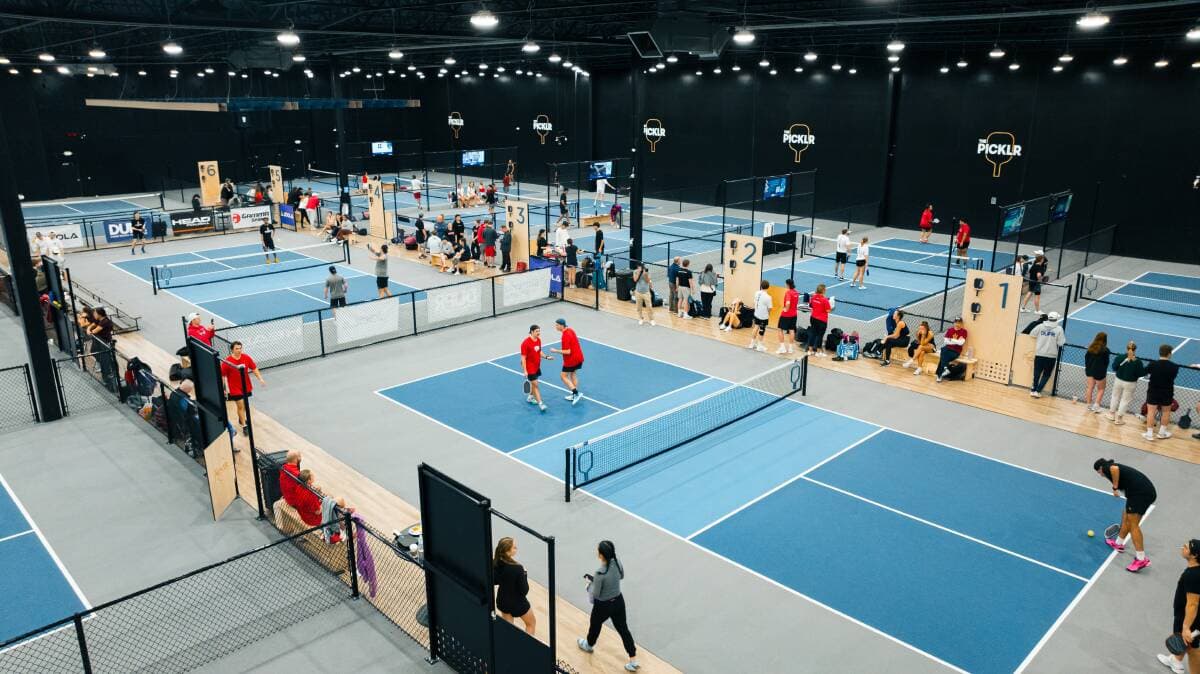
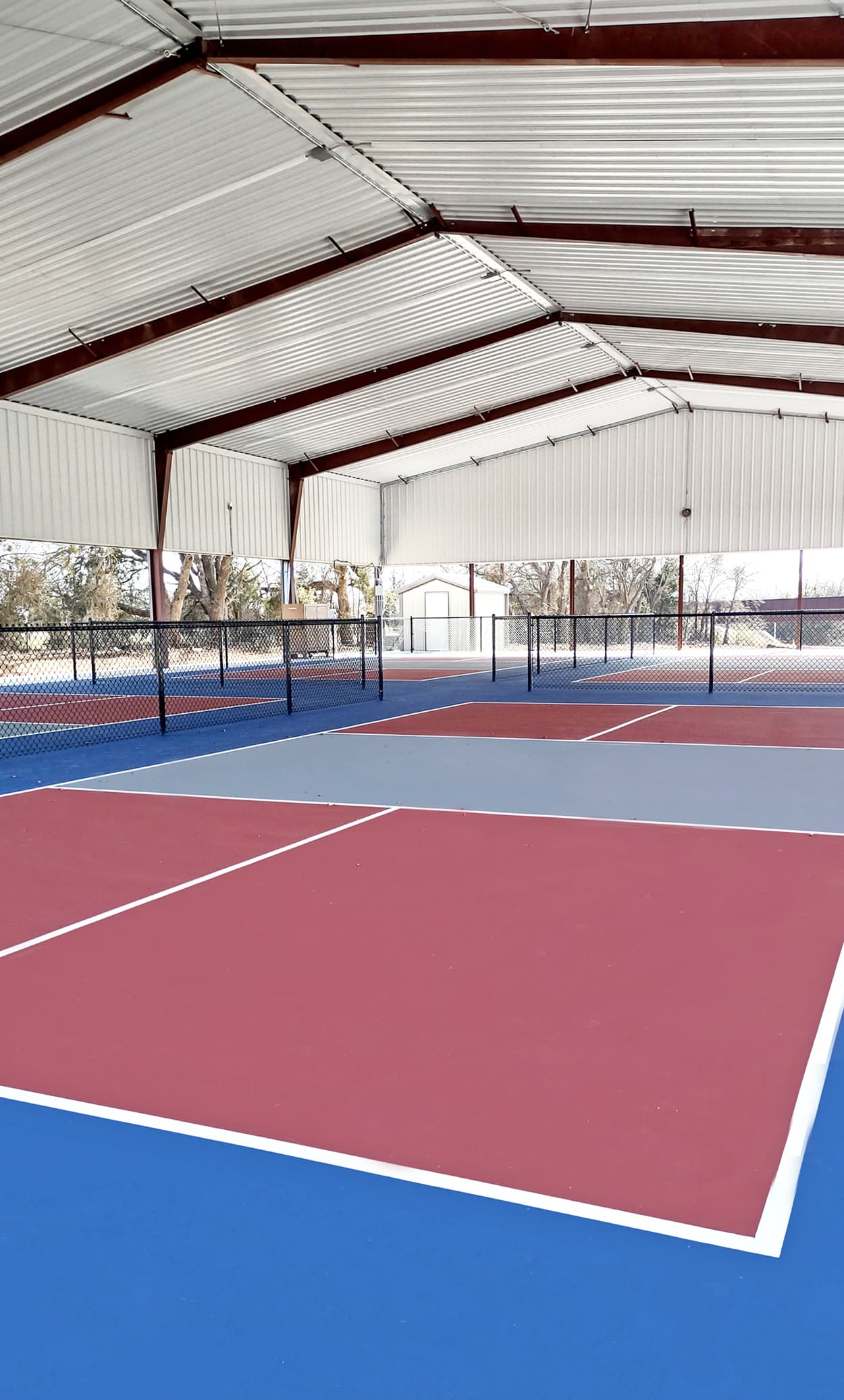
Begin with the essentials. Equipment centers on a paddle and a plastic perforated ball; paddles come in materials and shapes that affect power and control while the ball’s design influences bounce and wind sensitivity. Courts have specific dimensions and marked lines that govern service boxes and a non-volley zone near the net, commonly called the kitchen. Familiarize yourself with those lines during warmups so foot placement and service targets become second nature.
Know the key rules that change match dynamics. The Two-Bounce Rule requires each side to let the ball bounce once after the serve and return, which encourages more groundstrokes and reduces immediate net rushes. The non-volley zone rules prohibit volleying inside the kitchen to limit smashes at the net and reward softer, tactical play like dinks. Faults include violating the Two-Bounce Rule, volleying from inside the kitchen, and stepping on the kitchen line during a volley - mastering these prevents easy lost points.
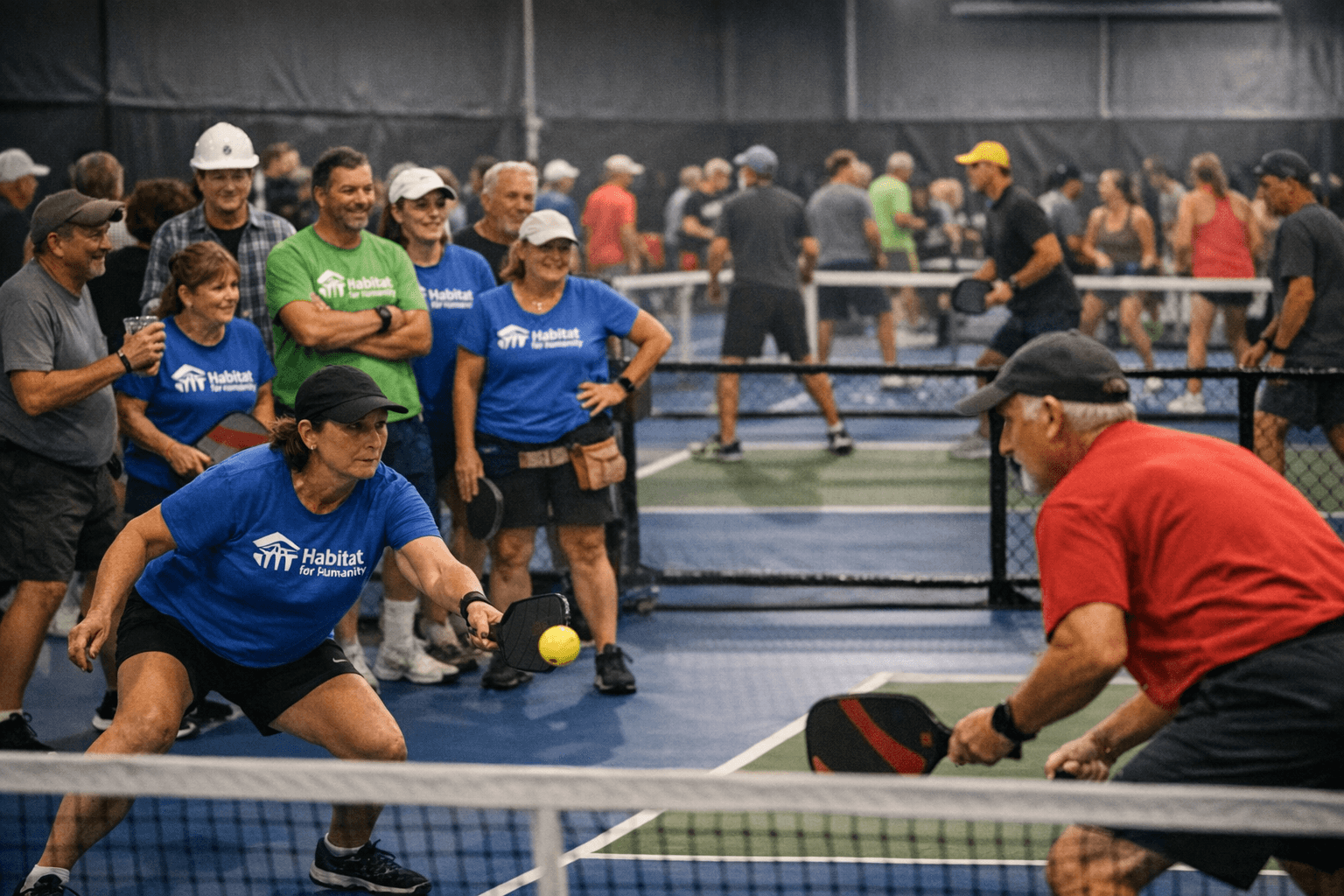
Scoring and tournament formats vary. Casual play often uses simple point play, while organized events use formats and divisions set by national and international governing bodies that publish rulebooks and equipment standards. Tournaments range from round robins and ladder events to single-elimination brackets; some use skill-based seeding so players face comparable opponents. Check your event’s rules on scoring systems and match length ahead of time to avoid surprises at check-in.
Practical prep beats panic. Choose a paddle that balances control and reachable power, test balls used at the venue if possible, and practice serves, return-of-serve, and dinks. Warm up on the service boxes and practice the Two-Bounce sequence to lock in muscle memory. Bring spare grips, a hat, and water; most club tournaments have quick check-in windows and strict warmup policies.
Community etiquette keeps play fun. Call lines clearly, own your mistakes, and respect match time limits so tournaments run smoothly. Local clubs and governing bodies set official rulebooks and equipment lists; consult them for detailed specs on paddles, balls, and court measurements before buying gear or entering competition.
For amateurs, this means you can get on court quickly with basic gear, focus on mastering a few hallmark rules, and choose events that match your experience. Learn the Two-Bounce Rule and kitchen boundaries first, then build strategy from there - the game rewards patience, placement, and a willingness to dink.
Know something we missed? Have a correction or additional information?
Submit a Tip