USA Pickleball's Guide Explains Fundamentals, Rules, Where To Play
USA Pickleball lays out clear fundamentals, rules and local play options to help new and returning players learn the basics, find courts, and join clubs and tournaments.

Pickleball players and newcomers now have a compact roadmap to the sport’s essentials, from equipment and court dimensions to scoring and local play pathways. USA Pickleball presents the fundamentals in plain language so players can get on court faster and with confidence.
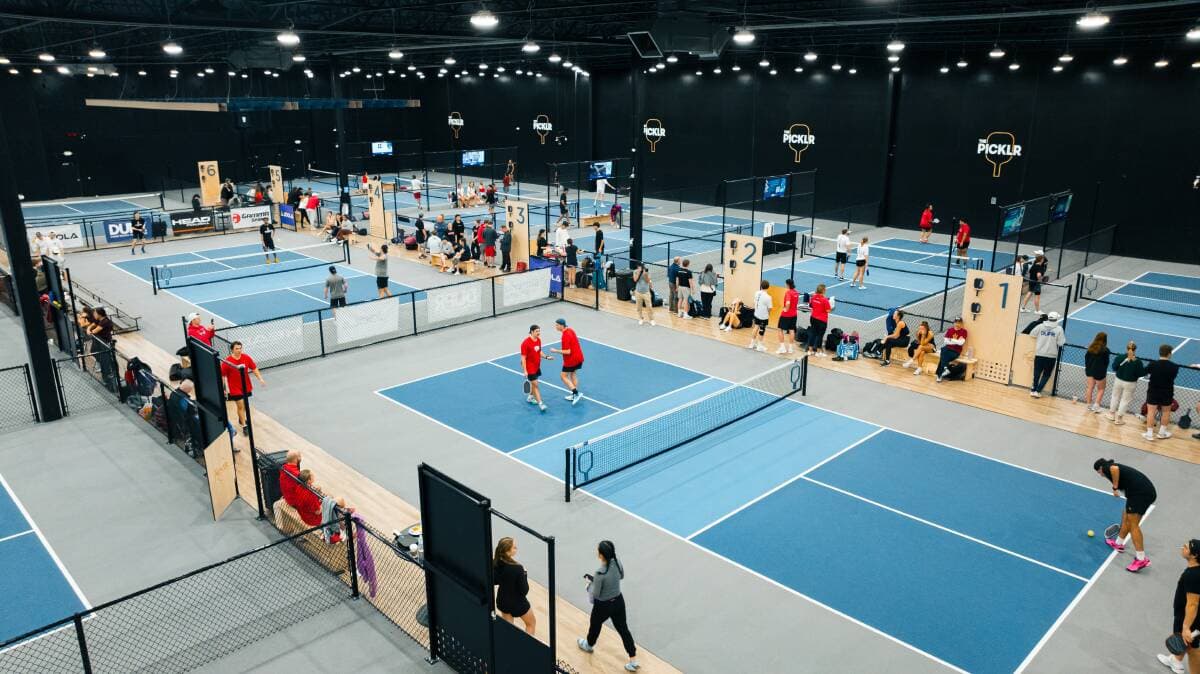
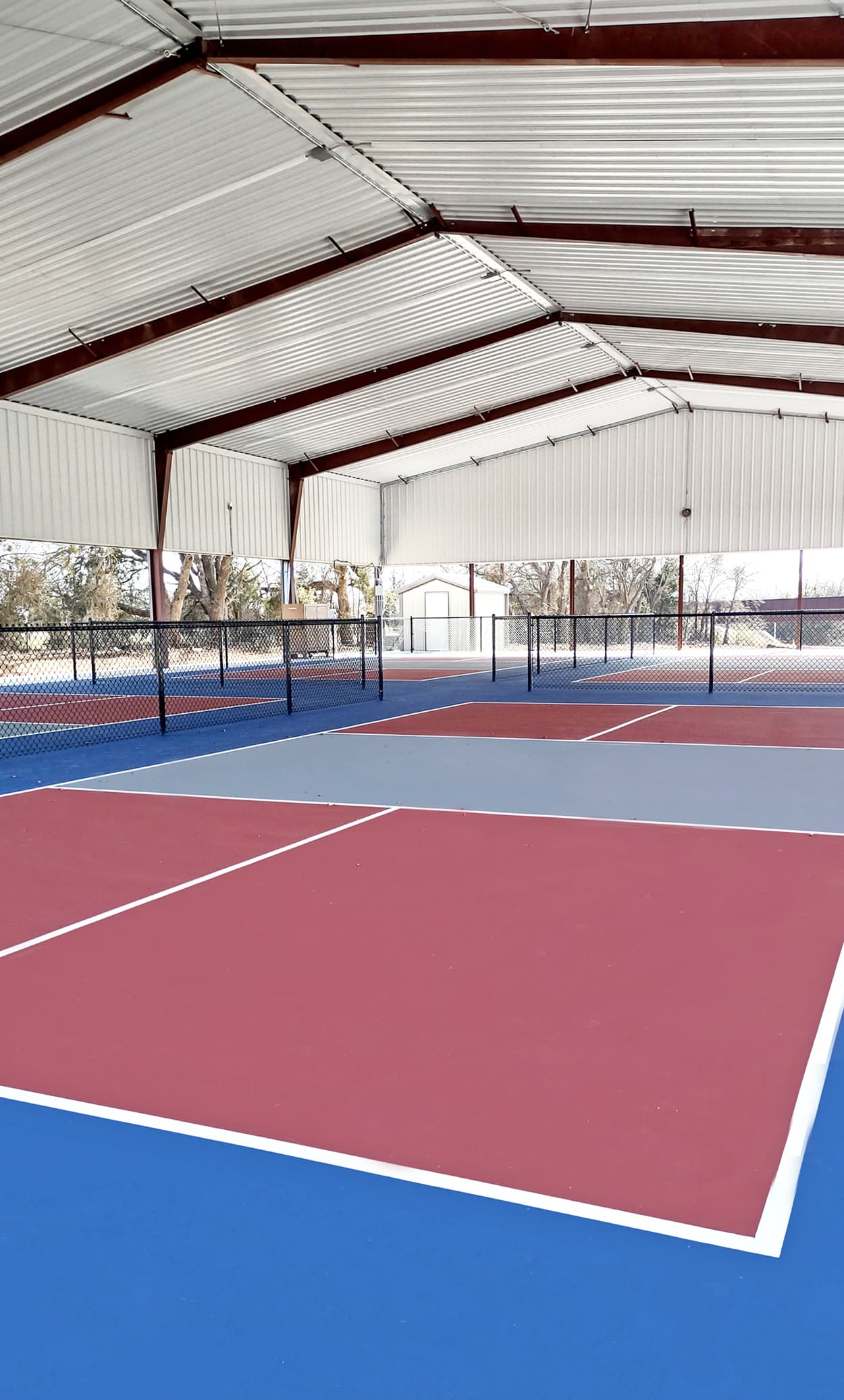
The court is 20 by 44 ft, the same footprint used for doubles badminton, and play uses a solid paddle and a perforated plastic ball. Serves must be underhand, and volleys are restricted by the Two-Bounce Rule: each side must allow one bounce before volleys are permitted. The 7-foot non-volley zone, commonly called the kitchen, protects players from aggressive net play and shapes most beginner drills and strategy sessions. Typical games are played to 11 points with a win-by-2 requirement.
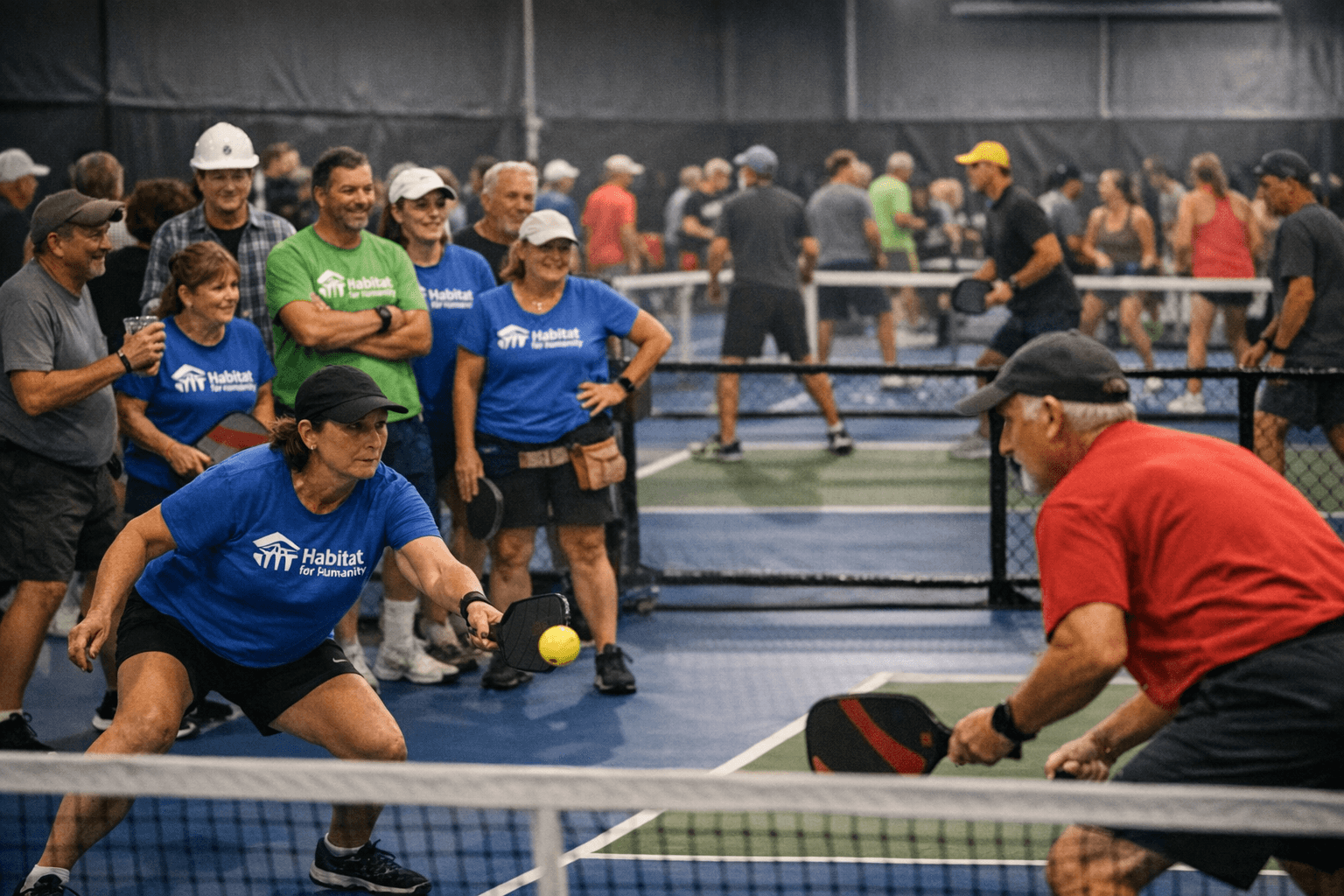
Practical play advice is front and center for new players. Start with the underhand serve, practice dinks from the NVZ line and work on the third-shot drop to transition into safe net play. Bring a pickleball-appropriate paddle, court shoes, a water bottle, and a willingness to rotate in and out of court time. Beginners often find fast improvement through group clinics, open play sessions at parks and recreation centers, and weekly beginner nights hosted by local clubs.
Finding courts and clubs can be straightforward. Municipal parks and recreation departments, community centers and private clubs frequently list court availability and scheduled open-play sessions. Local clubs typically offer skill clinics, ladder nights and a pathway to sanctioned play. Skill-level guidance helps place players into comfortable groups and appropriate tournament divisions so newcomers avoid mismatches and veteran players find competitive play.
For players interested in competing, sanctioned events create a clear tournament pathway. Joining a club and participating in sanctioned local events leads to placement in higher-level tournaments as skills develop. Sanctioned play also gives players structured competition and clearer seeding for brackets.
Etiquette and safety are emphasized to keep courts welcoming. Call your own lines, rotate fairly during drop-in play, arrive with warm-up time and keep the kitchen rules in mind. Respectful behavior, consistent line calls and basic court safety reduce disputes and keep play moving.
What this means for players is simple: focus on the basics - underhand serves, the Two-Bounce Rule and kitchen awareness - then seek local courts and clubs for guided play. Start with open-play sessions, join a clinic to hone dinks and third-shot drops, and step into sanctioned events when ready. The path from first serve to tournament court is mapped by solid fundamentals and community connection, so grab a paddle and get out of the kitchen.
Know something we missed? Have a correction or additional information?
Submit a Tip