What Amateur Pickleballers Must Learn From Parris Todd Ruling
Top-ranked pro Parris Todd was fined $50,000 and suspended for two events by the United Pickleball Association after participating in a December 2025 series of clinics and exhibitions organized by the Pickleball Japan Federation. This piece breaks down the ruling, the waiver dispute, broader penalties to other players, and practical steps you and your club can take to avoid similar pitfalls when planning international or cross-organization appearances.
1. The core ruling: Parris Todd fined and suspended
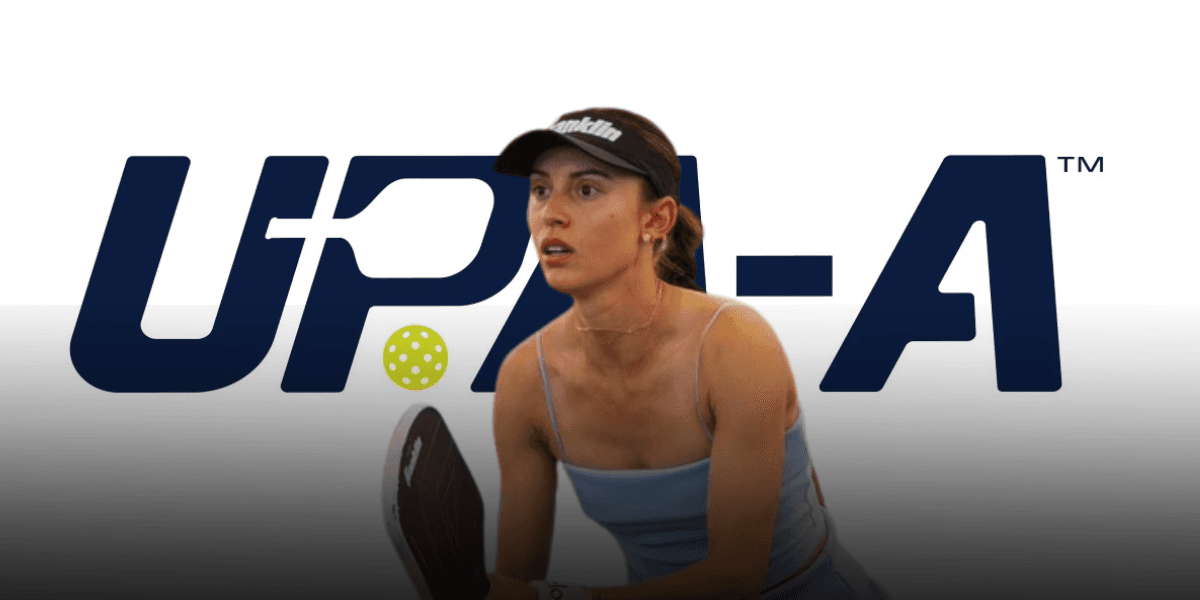
Parris Todd, a top-ranked professional, received a $50,000 fine and a two-event suspension from the United Pickleball Association (UPA) for participating in a series of clinics and exhibitions in December 2025 organized by the Pickleball Japan Federation. The sanction is a tangible example of how leagues are prepared to impose heavy penalties when they deem players violated contract or participation rules. For amateur players and local organizers, the size of the fine underscores that governing bodies intend to assert control over where and how contracted players appear internationally.
2. The waiver dispute: limited permission vs final itinerary
According to reporting, Todd had submitted a prior request for permission for a single camp and was granted a limited waiver, but the final itinerary reportedly exceeded what was approved. That procedural detail matters: it highlights that conditional approvals can be narrowly scoped and that deviating from an approved plan, even by adding events or shifting locations, can trigger enforcement. When you coordinate appearances or invite touring pros, confirm exact limits in writing and get explicit sign-off on any changes to the schedule.
3. Other players faced larger penalties, including contract terminations
The situation did not stop with Todd; other players involved in the same series faced larger penalties, and some had contract terminations. That escalation shows leagues and sponsors may treat multiple participants as a single, systemic compliance issue rather than isolated infractions. If you run a club event or an exhibition and intend to involve contracted pros, understand that repercussions can extend beyond fines to contract-level consequences for those athletes.
4. Why this matters for international appearances and enforcement
This case illustrates that professional and exclusive contract rules are enforced across international appearances, not just domestic events. Sanctioning bodies and leagues consider global activity part of their jurisdiction when contractual obligations or exclusive rights are implicated. For community organizers planning international exhibitions, that means vetting contracts and league rules before committing to dates or payment arrangements to prevent inadvertent breaches.
- Request written confirmation of player availability and any league waivers before announcing events.
- Ask players or their agents for copies of approvals and the exact scope of any waivers.
- Build contingencies into marketing and scheduling so you can cancel or shift events without penalties.
5. Practical steps for amateur players and local clubs to reduce risk
Take concrete precautions when planning events that involve guest professionals or cross-organization collaborations. Key steps include:
These measures protect your reputation, finances, and relationships with pros and governing bodies.
6. How coaches and event coordinators should handle approvals and itineraries
Event coordinators must treat approvals and itineraries as binding project documents. Require a finalized itinerary signed by the player or their representative and double-confirm that it matches any waiver granted by a league or sponsor. Keep dated records of correspondence and approvals to demonstrate good-faith compliance if questions arise. Doing this makes it far easier to resolve disputes quickly and keeps your community events on solid footing.
7. Communication and transparency with your community
Be transparent with participants, sponsors, and your local pickleball community about the status of guest pros and any approvals sought. If an event depends on a waiver or league permission, label it as provisional until you have final written authorization. That reduces disappointment and protects your club from reputational damage if a player is later sanctioned or withdrawn.
8. Insurance, contracts, and legal checklists worth considering
Given the potential for substantial fines or contract fallout, treat higher-profile exhibitions like commercial events: review contractual clauses around exclusivity, sponsorship conflicts, and required permissions. Consider discussing insurance or contractual riders that cover cancellations tied to sanctioning body rulings. For community organizers with limited legal resources, a simple checklist of required approvals and signatures can prevent costly mistakes.
9. Final takeaway: plan conservatively and document everything
The Parris Todd case, reported on December 31, 2025, is a clear reminder to plan conservatively and document every step when coordinating cross-organization or international pickleball appearances. You can still host exciting exhibitions and grow your local scene, but do it with careful paperwork, clear communication, and respect for the rules that bind pros and leagues. Those habits protect your events, the players involved, and the broader community you’re building.
Know something we missed? Have a correction or additional information?
Submit a Tip