Best chicken coops for predator protection and easier cleaning
A coop that looks cute can still fail at the gate. These four picks are ranked by security, cleaning ease, and real flock fit.
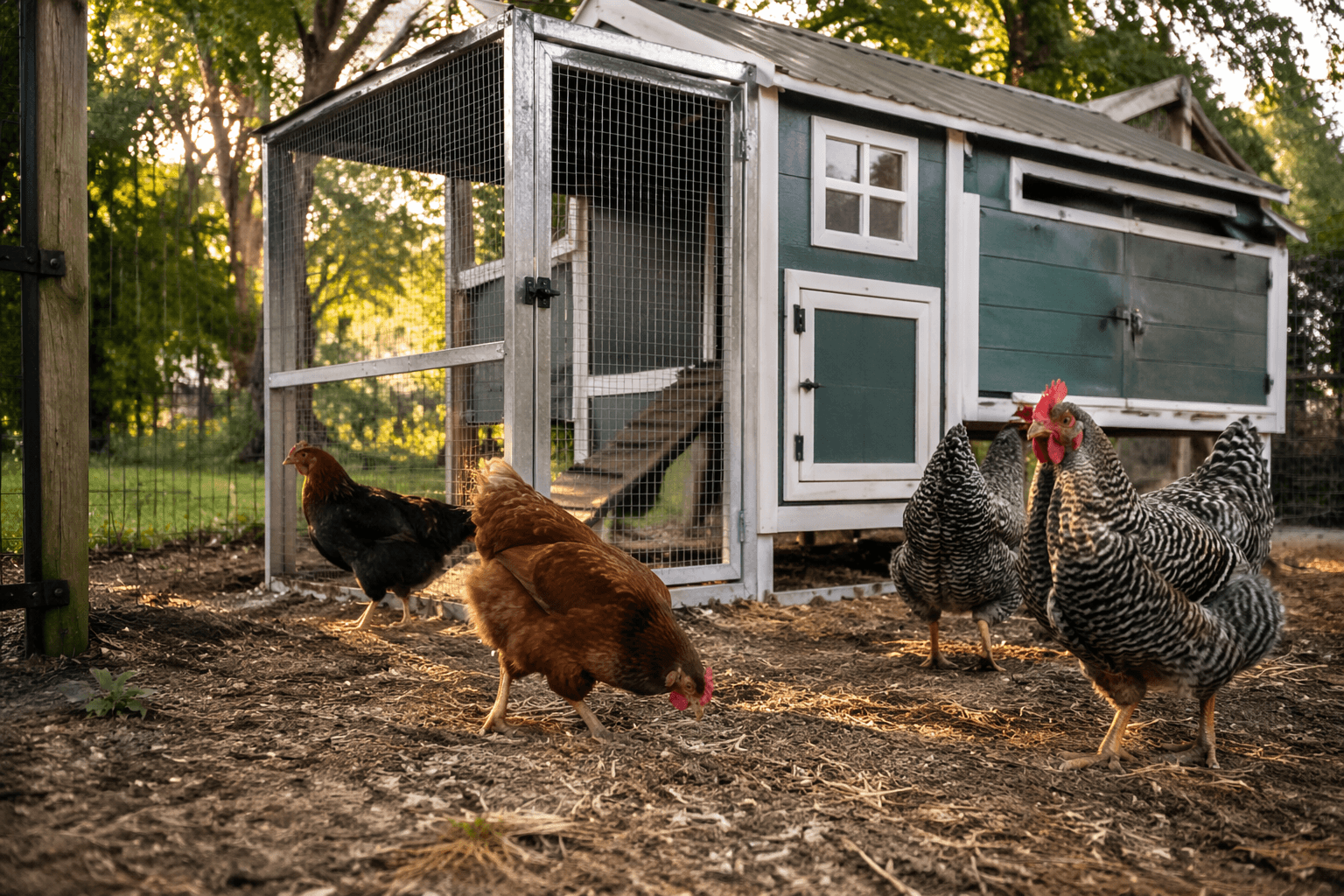
Buying a coop for looks is how a backyard flock ends up paying for it later. The smarter test is whether it shuts predators out, stays dry and ventilated, and cleans out fast enough to keep chores from becoming a second job.
The market now runs from roughly $500 recycled-plastic coops to $5,000 walk-in builds shaped like small barns, and that spread matches a bigger surge in interest. USDA Animal and Plant Health Inspection Service says its Backyard Animal Keeping 2024 study was launched after anecdotal evidence that chicken ownership increased during the COVID-19 pandemic, and the study compares 2012 and 2024 chicken ownership and views about urban chicken keeping in Denver and Miami.
USDA also puts the scale of poultry in sharp relief: U.S. farmers sold $76.5 billion of poultry and eggs in 2022, up 56% from 2017, and 168,048 farms sold poultry and eggs. Even the Chickens and Eggs survey tracks egg supplies, layer numbers, and future supplies, which is a reminder that a backyard coop sits inside a much larger chicken world.
1. OverEZ Large
This is the strongest all-around pick for a flock that needs real capacity without drifting into full barn territory. It holds up to 15 chickens, comes in panels that assemble quickly, and is pitched as a balance of cost, weather resistance, and easy egg collection, which makes it the safest place to start for keepers who want one coop to do the daily work well.
2. Omlet Eglu Cube
Omlet’s Eglu Cube earns its spot with predator protection and cleanup speed, two things that matter the moment raccoons, snakes, rats, dogs, hawks, or foxes become part of the local landscape. Omlet says the Cube is built for quick cleaning, uses an anti-tunnel skirt, heavy-duty steel mesh, and two-step locks, and the Eglu Cube and Eglu Pro both carry a 10-year warranty, which helps explain why it fits small-flock keepers who want a secure, low-fuss mobile setup.
3. Nestera Large
Nestera is the low-maintenance choice for keepers who want a coop that washes down easily and is built from 100% recycled plastic. The brand markets its coops as easy to clean and red mite-resistant, says its main site guarantees them for up to 25 years, and lists the Aspen line with a 10-year warranty and sizes for 6 to 10 hens, making it a strong fit when cleaning burden matters as much as footprint.
4. Carolina Coops
Carolina Coops sits at the premium end of the market, starting near $4,999.99 and aimed at larger homesteads that want a buy-once structure. It is the most serious investment in the group, which matters if you are planning around a bigger flock and a more permanent setup, but its price and scale put it well above the casual backyard starter coop.
The right ranking still comes back to the same practical rules: close the flock in at night, keep the house dry and draft-free, raise it high enough to deter trouble, and give every bird enough room to cut down on humidity. Oregon State Extension says a coop should sit at least 1 foot off the ground and run fencing should be buried 6 inches to 1 foot down, while Penn State Extension and Virginia Tech Extension stress high, well-drained, ventilated housing so the coop stays healthy instead of turning damp and hard to manage.
Capacity is where buyers get tripped up, because a pretty coop can still be too small. Oklahoma State University Extension gives a rule of 1.5 to 2 square feet inside per laying hen and 8 to 10 square feet in the run, while a recent Farmers’ Almanac reference sheet uses 3 to 5 square feet inside and at least 10 outside, so the safest buy is the one that fits your flock size without forcing birds to crowd the nest box or the door.
The best coop is the one that disappears into the routine: it locks tight, breathes well, stays dry, and wipes down before the mess becomes a project. That is the difference between a coop that just looks right in the yard and one that keeps a small flock safe enough to make the whole setup worth having.
This article was produced by Prism’s automated news system from verified source data, official records, and press releases, then run through automated quality and moderation checks before publishing. The system is built and supervised by the people who set the standards it runs under. Read our full AI policy.
Did this article answer your question?