Liberty Hill and Leander buyers weigh backyard chicken rules before house hunting
The city may say yes, but the deed may still say no. In Liberty Hill and Leander, hens hinge on HOA covenants, lot size, setbacks, and enforcement.
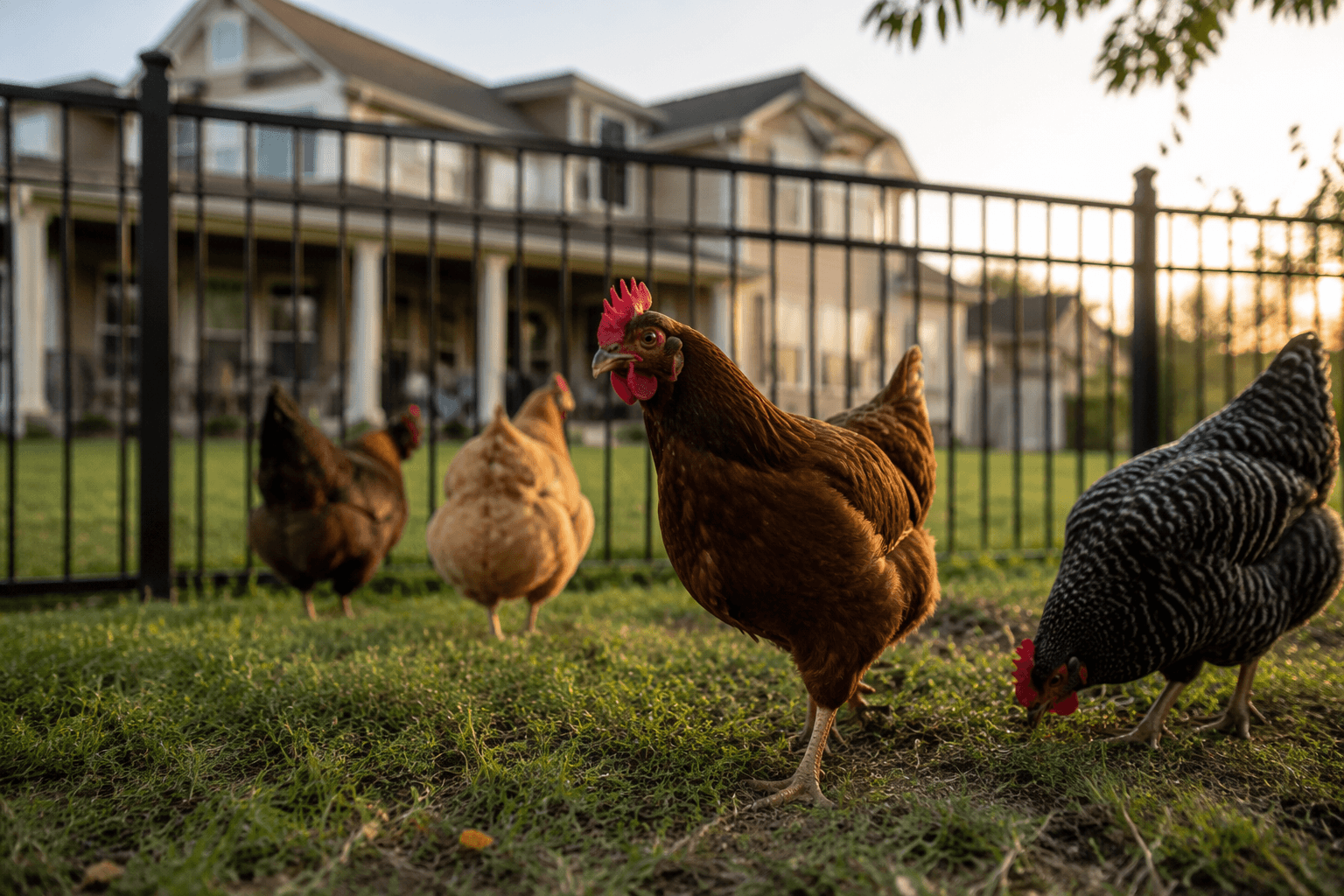
A backyard that looks perfect for six hens can still turn into a hard no once the deed restrictions surface. That is the real house-hunting test in Liberty Hill and Leander: not whether chickens sound manageable, but whether the city code, the subdivision rules, and the lot itself all line up.
Start with the city rule, then go deeper
The Texas State Law Library warns it cannot tell you what the law means for your specific situation. Texas chicken rules are layered. Texas Agriculture Code § 251.007 blocks most cities from banning a minimum of six hens on a residential lot, but that does not erase local nuisance rules or private HOA contracts.
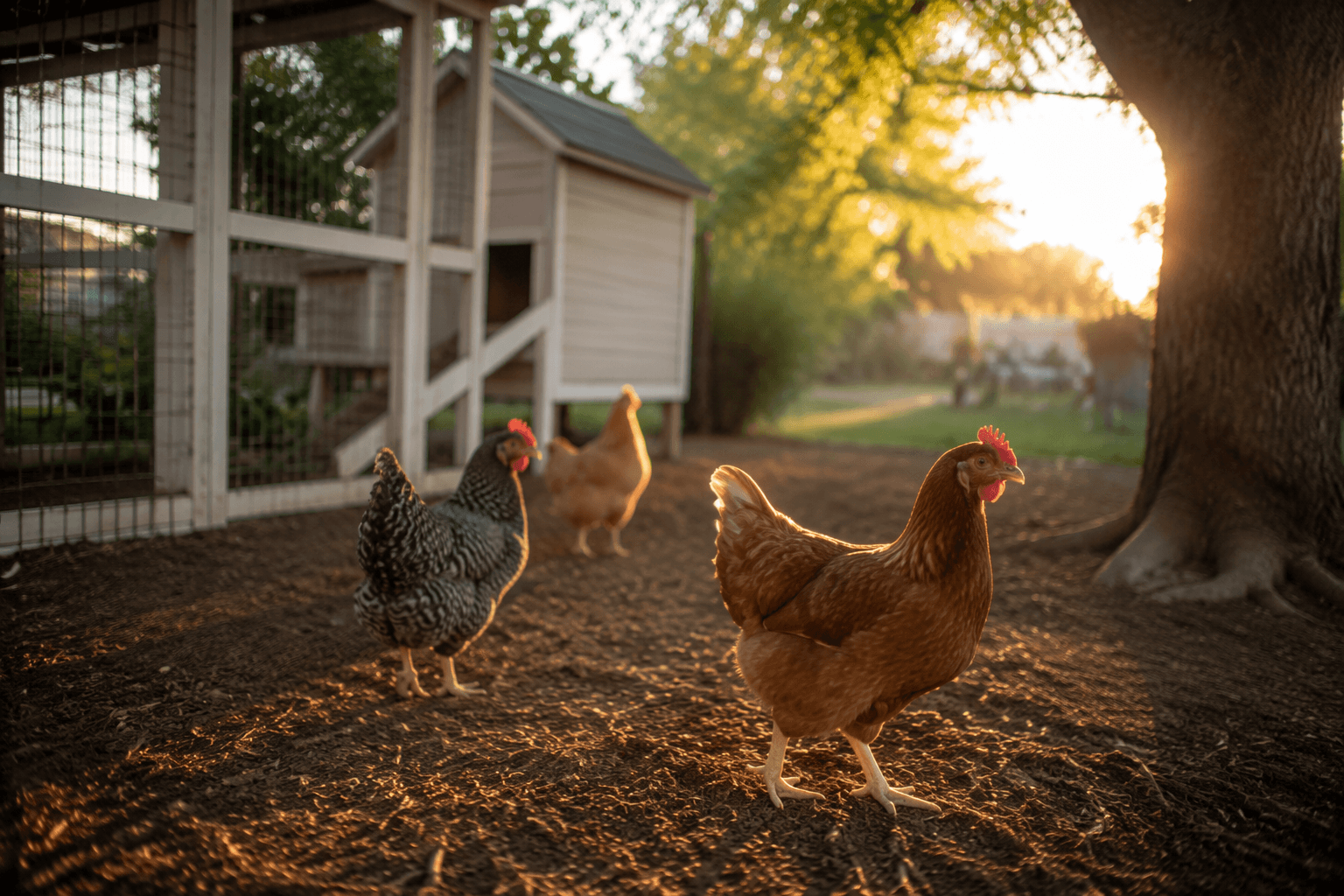
Roosters are typically out, hens are often required to stay in rear-yard enclosures, and setbacks from side or rear property lines are common.
Why Liberty Hill and Leander are such a good stress test
Liberty Hill and Leander are both fast-growing Central Texas communities, which makes backyard chickens a property-search issue.
Leander makes the enforcement side plain. Animal Services is supervised by Alexandria Aguirre, and all staff are civilian uniformed officers. Their duties include routine patrol for violations of city animal ordinances and related laws. Leander enforces local ordinances to maintain compliance, so a coop that works on paper can still draw attention if it creates a complaint, a setback problem, or a nuisance issue.
Liberty Hill has its own paper trail to check. The city maintains a New Ordinances page, and its online code includes zoning provisions plus a chapter covering livestock, fowl, bees, wild animals, and exotic animals. For buyers, the answer lives in the municipal code, not in assumptions about a big backyard.
The gotcha is usually the neighborhood covenant
This is where a property can look chicken-friendly until the deed restrictions say otherwise. HOA rules for backyard chickens in Texas depend on the neighborhood. That is the part many buyers miss, because the city may be permissive while the subdivision is not.
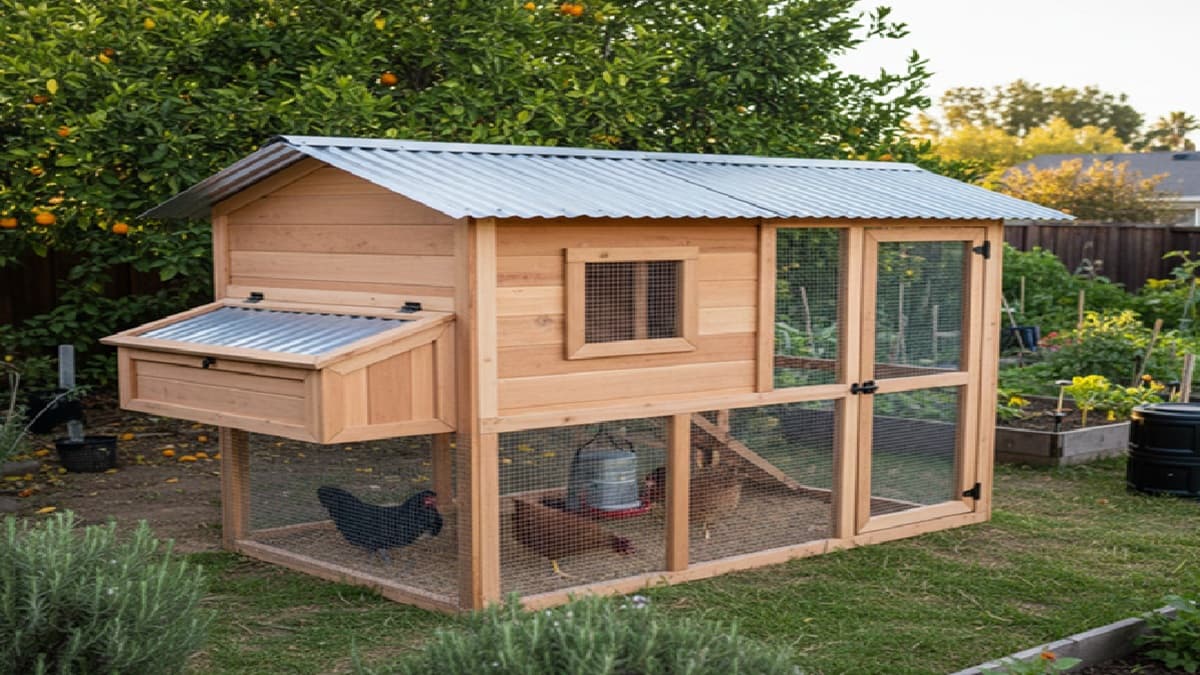
HOAs can still set reasonable rules about coop placement even when city law allows hens outright. In practice, that means deed restrictions, CCRs, architectural review rules, and nuisance clauses can control the exact location, visibility, and footprint of a coop. The paper trail may include documents like Liberty Hills HOA declarations dated May 14, 2024, Mason Hills master-community records filed in Williamson County in 2024, and ClearWater Ranch CCRs and architectural applications.
Which kinds of properties usually pencil out
The most workable chicken properties in these two cities are the ones with room for the rules to fit. Large-lot areas, rural-style tracts, and neighborhoods without restrictive covenants are far more likely to support hens than tightly regulated subdivisions. Leander’s zoning code is especially telling here: its Single-Family Rural use component is intended for lots one acre or larger, which gives you a better shot at meeting coop placement and setback requirements.
Still, even larger lots do not guarantee approval. A property can have the right acreage and still fail if the HOA restricts poultry, bans visible pens, or limits structures in the rear yard.
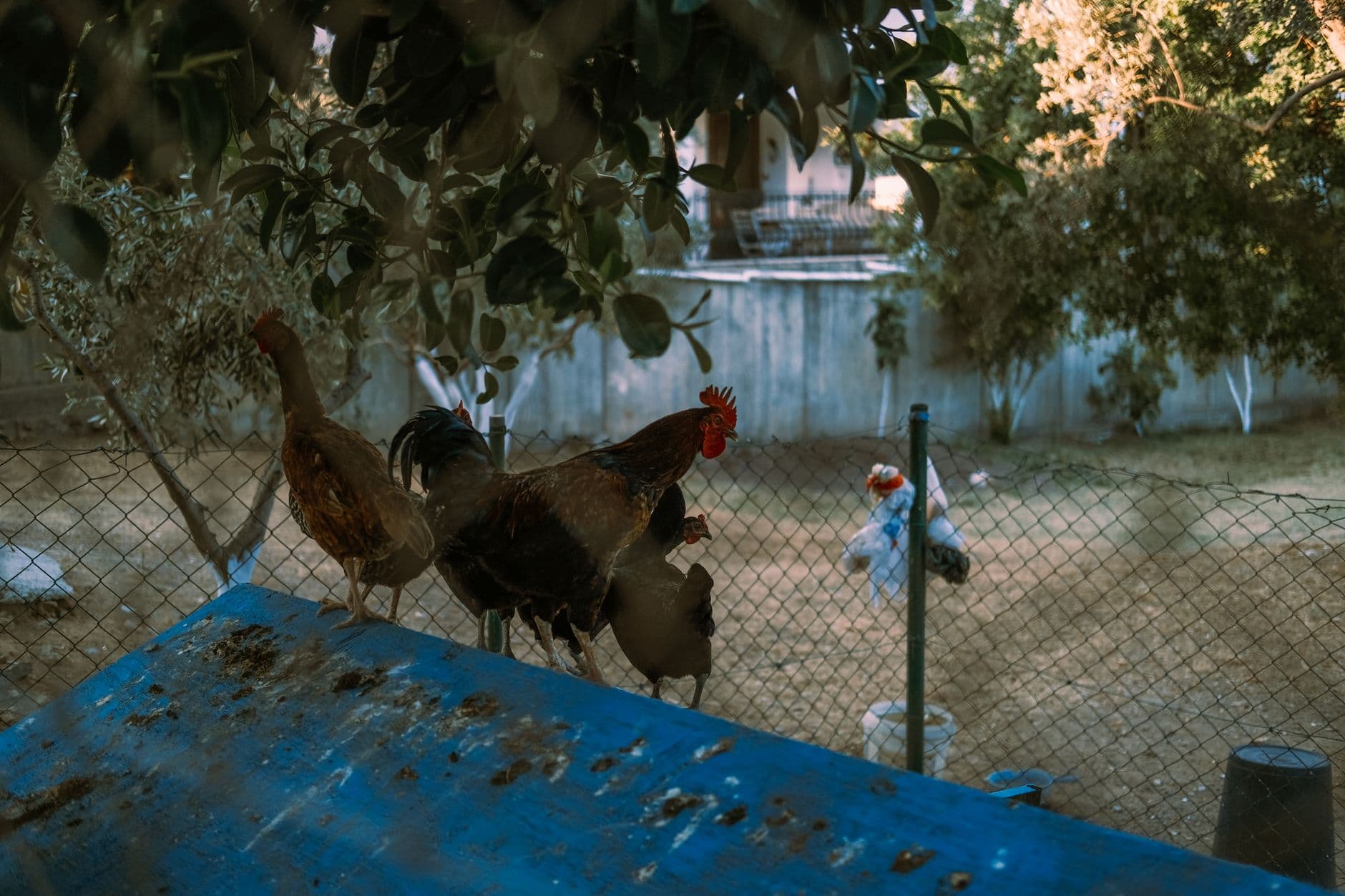
North Richland Hills offers a useful comparison. The city approved a new backyard chicken ordinance on November 13, 2023, removed a one-acre lot-size requirement that had been in place since 1985, and tied the number of chickens to lot size and the distance of the coop.
The practical pre-offer checklist
If hens are part of your house-hunting plan, the decision process should be simple and strict:
1. Pull the city ordinance first and confirm hens are allowed in the zoning district.
2. Read the HOA declaration, CCRs, and architectural rules for any poultry language.
3. Check whether roosters are banned, whether hens must stay in a rear yard enclosure, and how far the coop must sit from side or rear property lines.
4. Measure the lot against the coop footprint, drainage, shade, and neighbor sight lines.
5. Budget for feed, bedding, odor control, predator protection, Texas heat, watering needs, and daily care.
This article was produced by Prism’s automated news system from verified source data, official records, and press releases, then run through automated quality and moderation checks before publishing. The system is built and supervised by the people who set the standards it runs under. Read our full AI policy.
Did this article answer your question?