Westampton Township requires annual chicken licenses and yard restrictions
Westampton treats backyard hens as a regulated use: file every January, and keep birds in approved side or rear yards with a shelter and enclosed run.
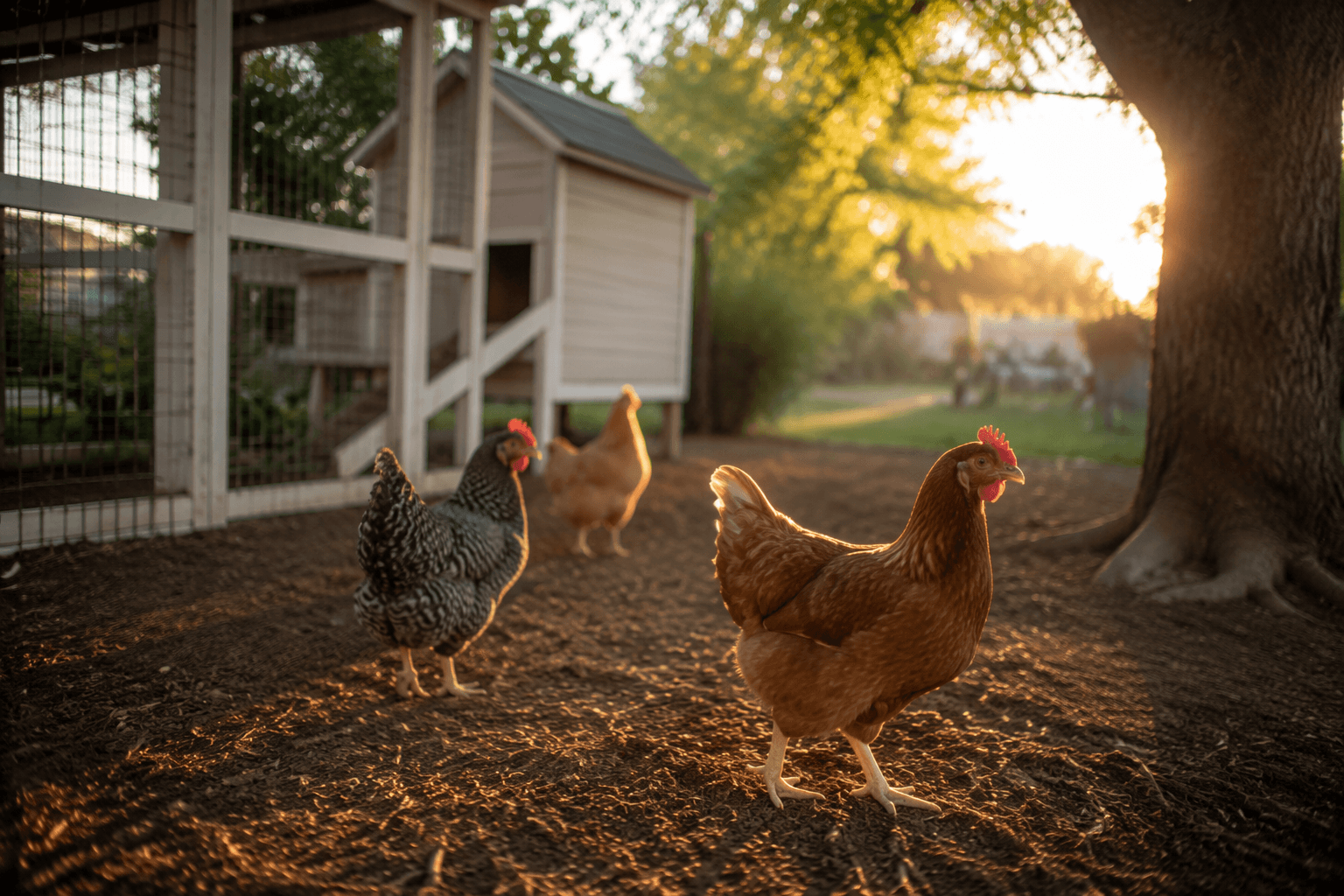
If you want hens in Westampton, the first thing to check is not your feed budget or coop style, but the township calendar and your yard lines. Westampton requires a license application for chickens on residential property to be filed with the Township Clerk every January, and birds may only be outside a shelter and enclosed run during daylight hours in side and rear yards. That makes backyard hens a managed residential use, not a casual add-on.
What Westampton changed
Westampton did not treat chickens as a free-for-all on residential lots. Ordinance No. 10-2023 says the township code previously had a general prohibition on keeping nonhousehold animals, including chickens, on residential property, and the Westampton Township Committee moved to amend Chapter 88 to allow chickens in certain residential properties with conditions. That matters because the permission is narrow: the township is not opening the door to every yard, it is creating a regulated path for approved homes.
For anyone planning a flock, the practical takeaway is simple. You need to treat the township code like part of the coop build itself. The ordinance sets the legal frame first, then the bird-keeping setup has to fit inside it.
The annual filing you need on your calendar
Westampton’s residential backyard-chicken page makes the paperwork step plain: the application for a license to maintain chickens on residential property must be submitted to the Township Clerk during the month of January each year. That annual filing window is the clearest sign that the township expects ongoing oversight, not a one-time sign-off.
The clerk’s office is listed at the Municipal Building, 710 Rancocas Road, Westampton, NJ 08060. The township also lists clerk@westampton.com and 609-267-1891 for contact. Westampton’s online records show a chicken-related file created on Jan. 23, 2024, which fits with the township handling the program through the clerk’s office on a regular administrative cycle.
Before you bring home birds, this is the first compliance test:
- Make sure you know when the January filing window opens.
- Plan to submit the license application to the Township Clerk, not after the birds arrive.
- Keep the clerk’s contact information handy in case you need to confirm forms or timing.
- Treat the annual filing as part of your regular flock management, not an optional extra.
Where hens can live and roam
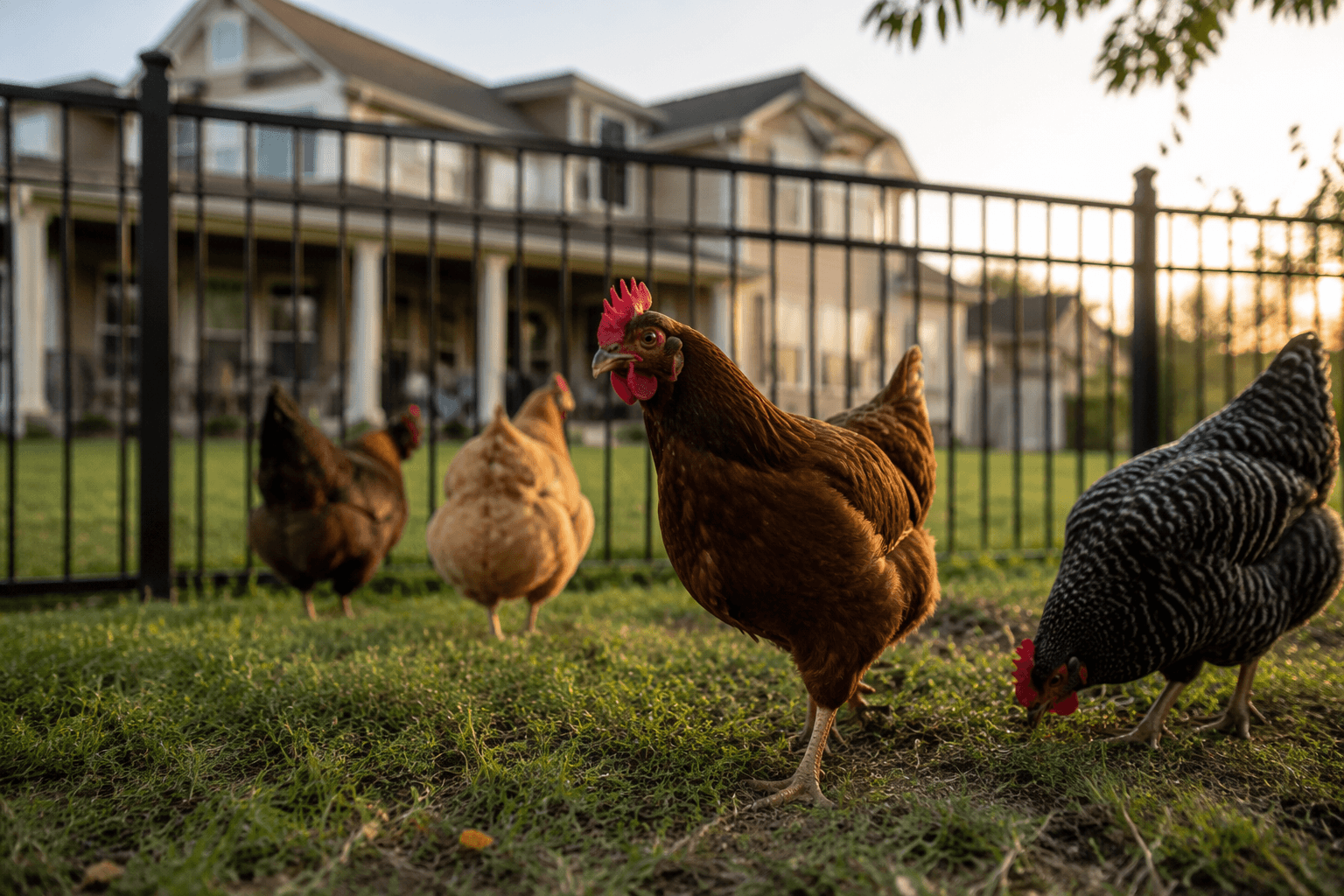
The yard rule is the other major filter. Westampton indicates that chickens may be allowed outside a shelter and enclosed run during daylight hours, but only in the side and rear yards of the residential property. That means the bird area has to be thought through before you buy pullets, because the layout of the lot will shape what is actually workable.
In practical terms, the setup needs to do more than hold birds. It has to keep them where the township allows them to be, which means fencing, gates, and daily supervision matter just as much as the coop itself. A flock that can wander only in approved side and rear-yard areas is a different operation from a flock that can be let out anywhere on the property.
A pre-purchase checklist should look like this:
- Build or place the shelter and enclosed run where they fit the side or rear yard.
- Make sure the birds can stay within approved areas during daylight hours.
- Do not plan on front-yard ranging.
- Design the run and surrounding yard so the flock stays inside the property boundaries without creating a drift into neighboring spaces.
That combination of siting and containment is where most backyard-chicken plans either work cleanly or start creating problems.
The advisory committee adds a layer of oversight
Westampton also established a Residential Backyard Chicken Advisory Committee, and the township’s page says the committee consists of five members. A township news item dated Aug. 15, 2024 said Westampton was seeking members to join the committee, which shows the chicken program is being watched and managed rather than left to chance.
That committee matters to residents because it suggests the rules are part of an active municipal process. For a homeowner, that usually means the safest move is to follow the written requirements exactly and assume the township is paying attention to how the program works in practice.
How Westampton fits the New Jersey pattern
Westampton is not alone in handling backyard hens through local licensing and yard rules. New Jersey municipalities commonly regulate backyard chickens through permits and local ordinances rather than a statewide standard, and other towns often use limits such as no roosters, lot-size requirements, or annual licenses. Westampton’s approach fits that broader municipal pattern.
That local-first structure is exactly why the details matter so much. In one town, hens may be allowed with a permit and annual renewal; in another, the lot size or flock limits may change the answer completely. The only reliable way to know whether your property works is to check the township’s own rules, not assume a neighboring town’s setup will carry over.
For Westampton residents, the decision point is straightforward: if you want hens, your plan has to survive both the January filing and the yard test. Get those two pieces right, and the rest of the coop build starts to make sense.
This article was produced by Prism’s automated news system from verified source data, official records, and press releases, then run through automated quality and moderation checks before publishing. The system is built and supervised by the people who set the standards it runs under. Read our full AI policy.
Did this article answer your question?