North Carolina backyard flock owners brace for rising bird flu cases
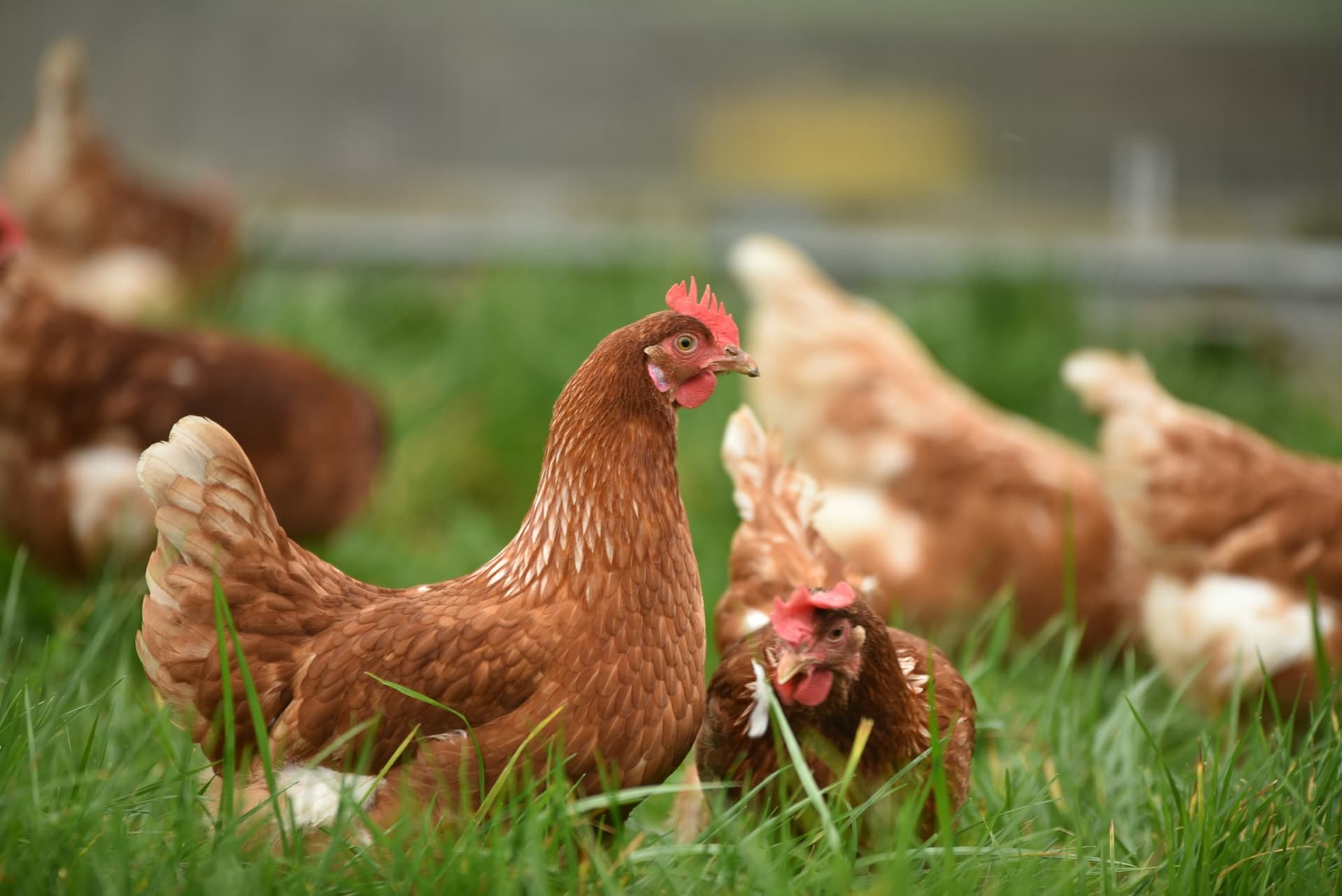
A Franklin County backyard flock tested positive for bird flu, the county's first case and North Carolina's ninth since Oct. 1. State vets say the 2022 strain is still moving through the Atlantic flyway.

A Franklin County backyard flock tested positive for highly pathogenic avian influenza on Jan. 6, the county's first confirmed case and North Carolina's ninth since Oct. 1, 2025. State records also show backyard cases in Guilford County on Sept. 30, 2025, Union County on Oct. 9, 2025, Rutherford County on Oct. 16, 2025, and Dare County on Feb. 28, 2025, a spread that keeps small flocks on alert from the Piedmont to the coast.
North Carolina agriculture officials say the outbreak strain from 2022 is still circulating in the Atlantic flyway, where migrating birds can move the virus without showing signs of illness. USDA APHIS says wild birds can carry HPAI quietly and expose domestic poultry during migration, which is why the risk rises when waterfowl pass through or gather in the state. The North Carolina Wildlife Resources Commission says new cases tend to surface in fall and winter, especially along the Outer Banks and other coastal areas. Backyard keepers are being told to monitor for symptoms and tighten biosecurity around any contact with wild birds.
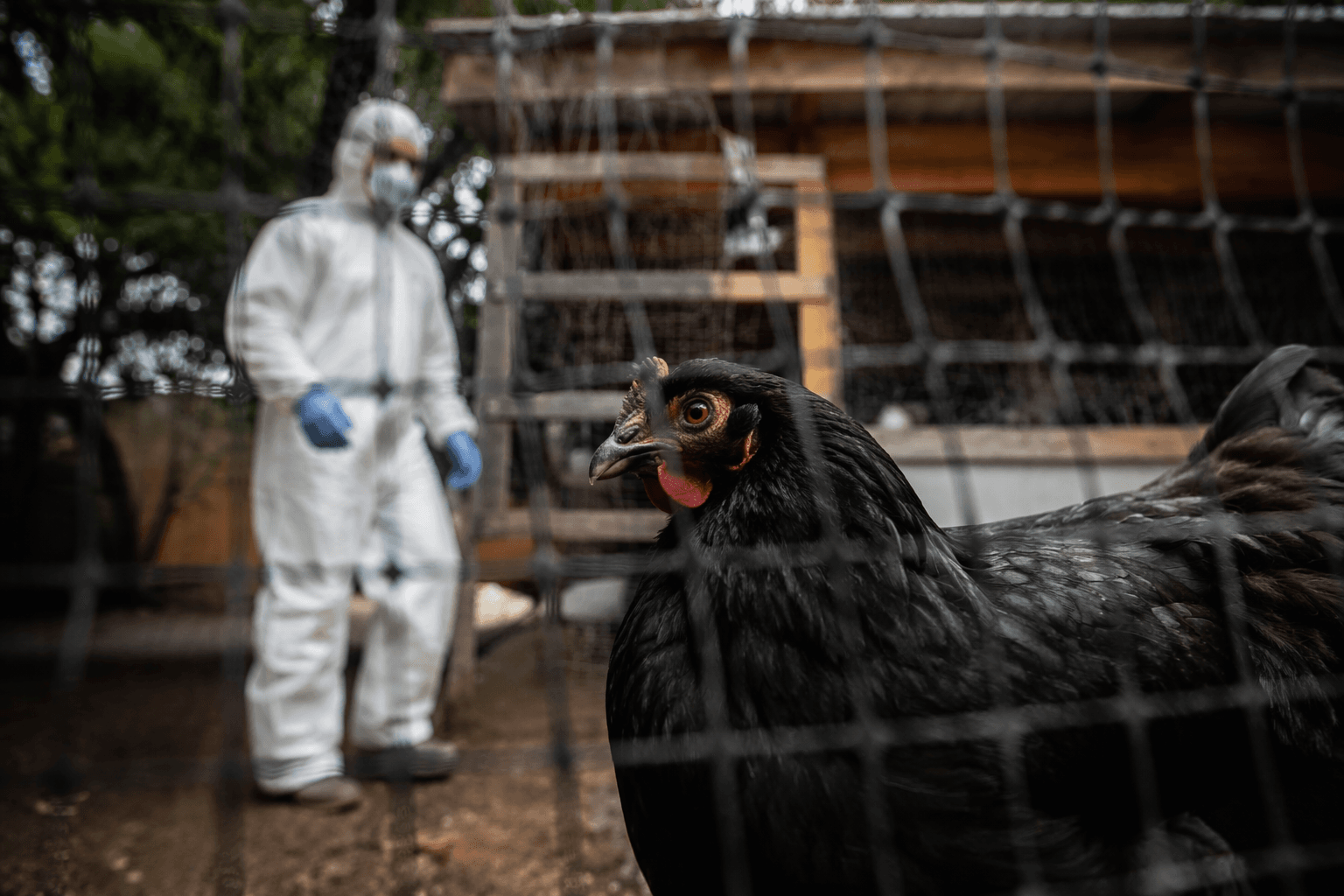
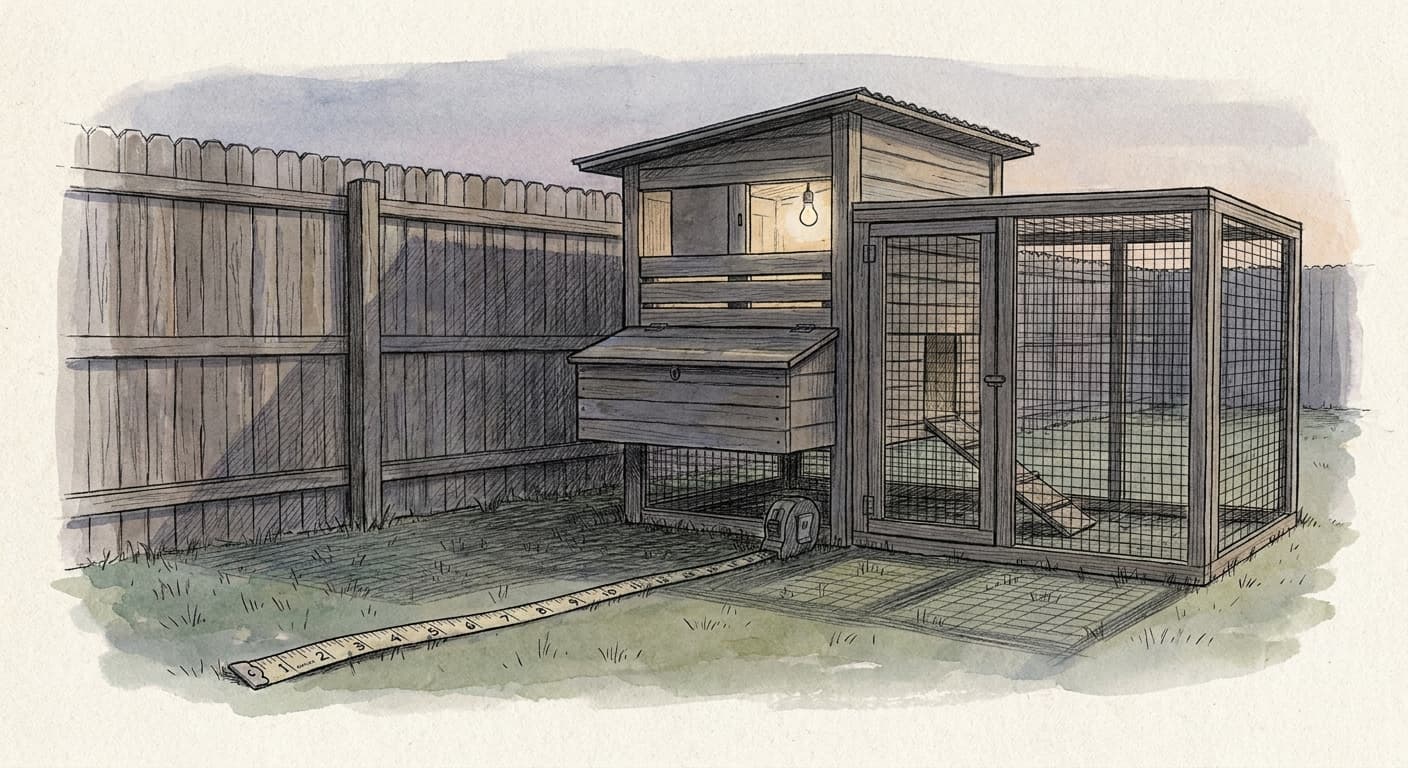
North Carolina State Extension has been urging extra caution during fall migration, when the virus moves most easily with birds on the wing. USDA’s Defend the Flock program puts the same message in plainer terms: biosecurity is the best defense for anyone who works with or handles poultry. For a backyard coop, that makes every choice about free-ranging, shared gear, and visitors to the run part of the disease-prevention plan.
The human-health picture is less alarming than the poultry picture. NCDHHS says avian flu can infect poultry, dairy cows, other birds, and some mammals, but human infection is rare. The department lists farmworkers, bird hunters, and people who visit farms, fairs, or animal exhibits as higher-risk groups, while the CDC says the current public health risk remains low.
North Carolina also regained HPAI-free poultry status from the World Organisation for Animal Health on June 12, 2026, a reminder that the state’s commercial poultry industry and backyard flocks are living with two realities at once. One is a formal clean bill of health for the broader poultry sector. The other is a virus that keeps resurfacing in small flocks, starting again with a Franklin County backyard coop and the same migratory highway overhead.
This article was produced by Prism’s automated news system from verified source data, official records, and press releases, then run through automated quality and moderation checks before publishing. The system is built and supervised by the people who set the standards it runs under. Read our full AI policy.
Did this article answer your question?