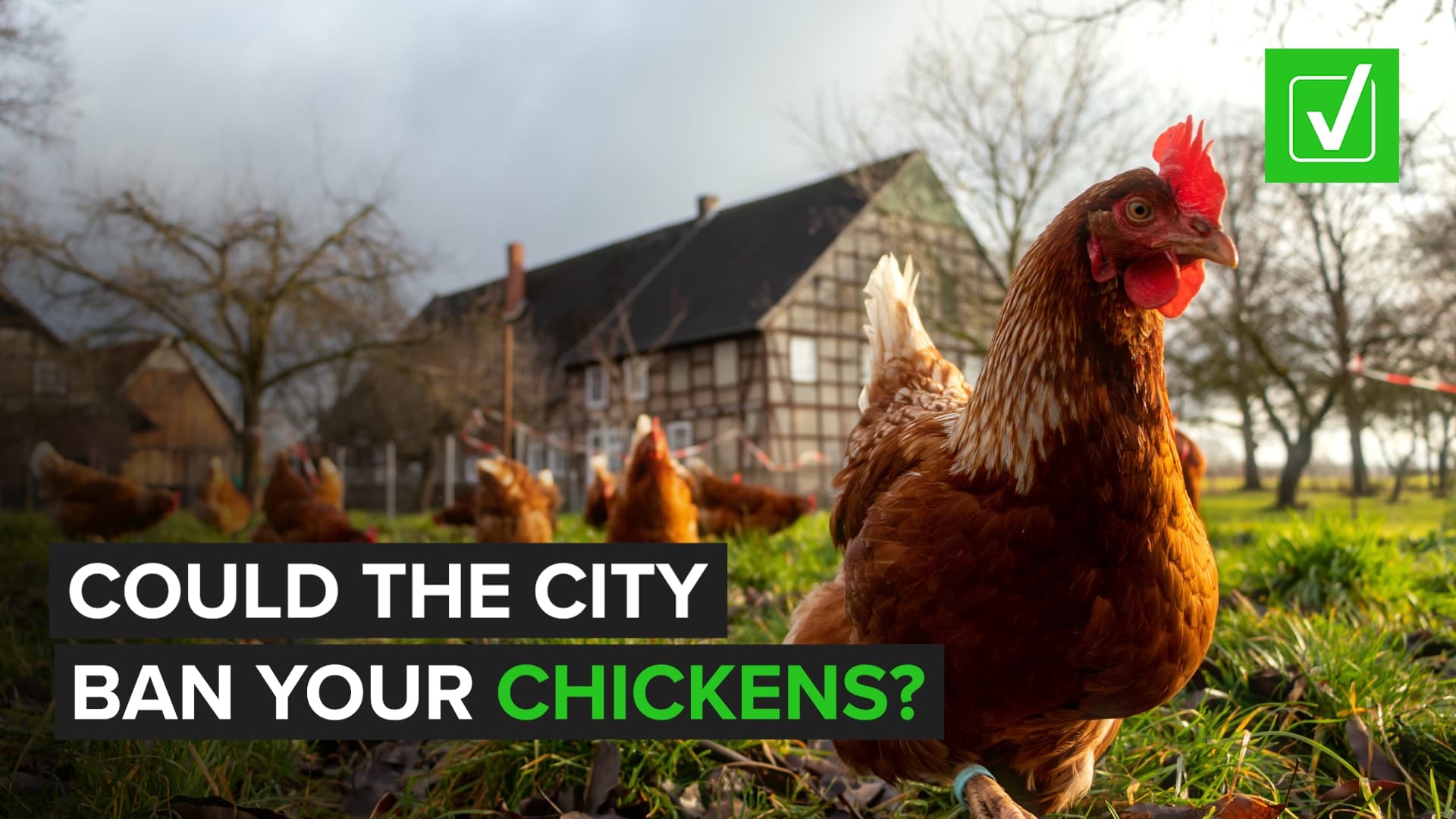
France tightens backyard hen rules, permits and fines rise for owners
Keeping hens in France can trigger multiple permits, plus €1,200 to €6,000 in fines if a coop or flock runs afoul of local rules.

France’s backyard hen owners can run into multiple permits, plus town-planning fines from €1,200 to €6,000 if a coop or flock runs afoul of local rules. Rooster crowing can bring another €180 penalty, and complaints about odor or noise can be enough to bring enforcement into the yard.
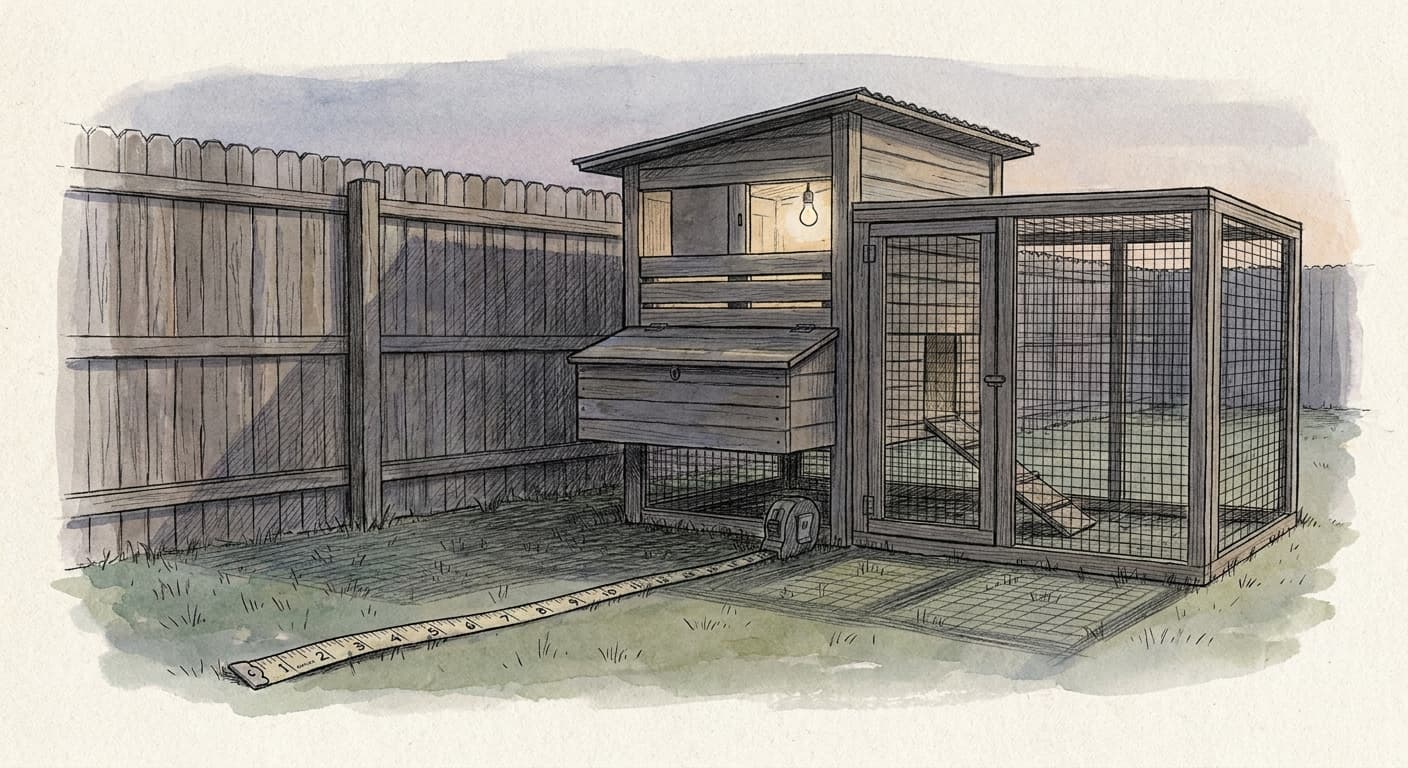
The practical problem is not the birds themselves so much as the paperwork and the neighbors. A small flock for eggs can still collide with local planning rules, and once a coop, run or cockerel becomes a nuisance issue, the bill can climb quickly. For anyone thinking about adding birds, the first check is simple: ask the mairie what permits are needed, how many hens are allowed, whether a rooster is permitted, and whether the property’s zoning makes a coop a planning issue before the first panel is cut.
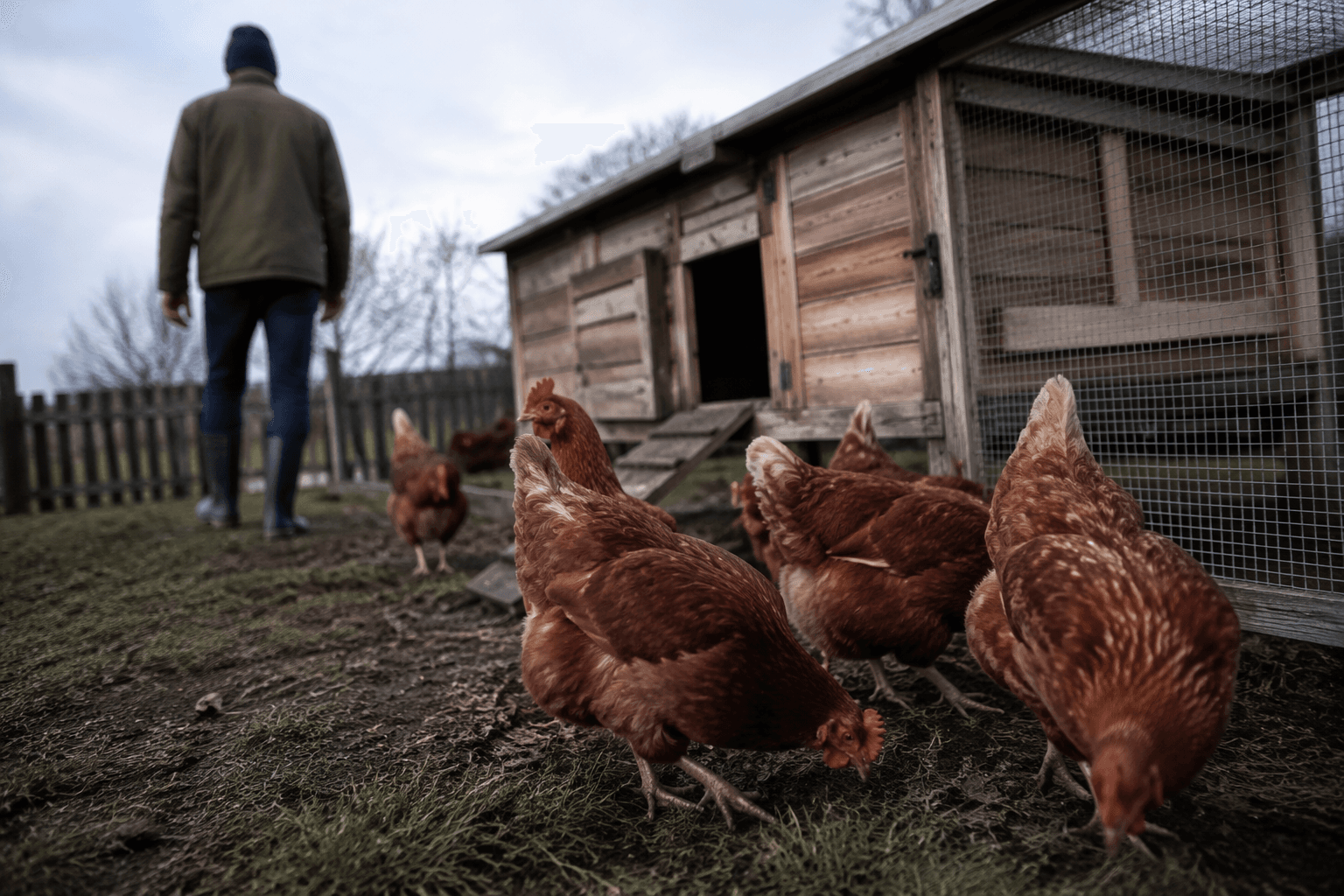
That caution sits inside a much bigger French fight over what belongs in the countryside. France adopted Law No. 2021-85 on 29 January 2021 to define and protect the sensory heritage of the French countryside, after the French Senate approved it on 22 January 2021. The law was meant to shield sounds and smells linked to rural life, including roosters, cows, tractors and insects, after years of disputes between villagers and second-home owners over nuisances.
Maurice, the rooster on Île d’Oléron, became the symbol of that battle in 2019 when a court ruled he could keep crowing. Another cockerel dispute later ended with a neighbor ordered to pay €3,500 over a noise complaint, a reminder that these cases can turn into real financial fights long before anyone talks about eggs or coop design. Euronews also reported in December 2023 that France had passed a law protecting cocks’ right to crow in the countryside, keeping the issue in public view.

For backyard keepers, the takeaway is blunt: do not assume egg hens are exempt from local rules just because they are common. Check planning limits, ask how odor and noise complaints are handled, confirm whether neighbors can trigger an inspection, and make sure a rooster will not turn a simple flock into a fine. In France, the line between a few hens and a compliance headache can be a lot thinner than most people think.
This article was produced by Prism’s automated news system from verified source data, official records, and press releases, then run through automated quality and moderation checks before publishing. The system is built and supervised by the people who set the standards it runs under. Read our full AI policy.
Did this article answer your question?