How to protect backyard chickens from common predators
Night attacks, missing hens, torn wire, or dug holes each point to a different predator. Match the clue to the fix and close the weak spot tonight.
One bird can disappear, then nighttime attacks can keep coming until the weak point in the coop is fixed. University of Maryland Extension’s poultry predator fact sheet, first published in July 2020 and updated on November 2, 2022, treats that as a practical problem for small flocks living in smaller, less fortified spaces.
Start with the evidence, not the guess
The first job after a loss is to read the scene like a predator did. Time of day, whether birds are missing or left behind, the feather pattern, damaged wire, and dug holes all point toward different culprits. The right fix for a hawk is not the same as the right fix for a raccoon, and a run that stops one threat can stay open to another.
University of Maryland Extension’s guidance was built around that idea. The same flock can face different pressure at dawn, at dusk, and overnight, so prevention has to match the attack pattern instead of relying on one generic coop upgrade.
If the bird is simply gone, think overhead first
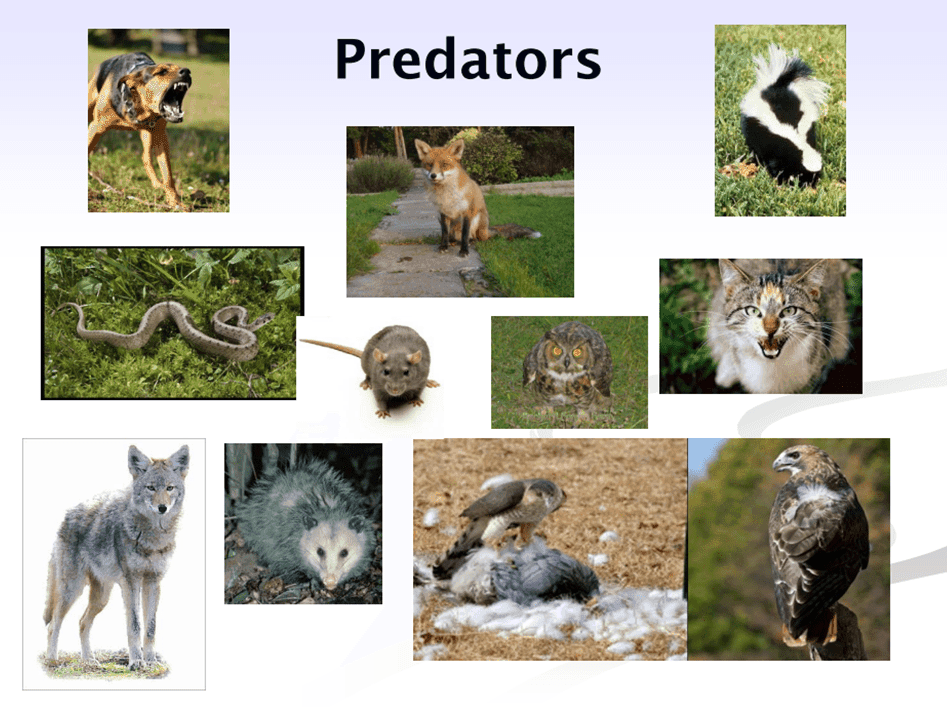
A missing bird with little sign of struggle often points to a raptor. Hawks and owls are a real threat to backyard chickens, turkeys, and ducks, and coyotes have expanded into urban areas as well. If a bird vanishes from an open run or a free-ranging yard, the strongest immediate fix is overhead protection: a roofed run, tight netting, or another solid cover that closes the sky.
This is where free-ranging birds get exposed. Predation is a common risk for birds allowed to roam outdoors, and the risk changes by region. In practice, that means birds that are safe under a covered run at midday can be vulnerable the moment they range under open sky.
If you find feathers and a carcass, read the feather trail
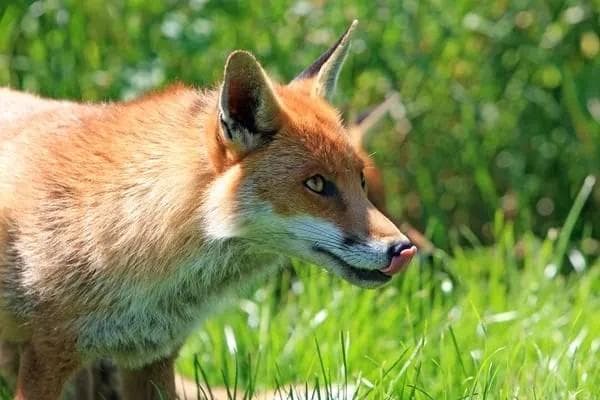
A carcass left behind with feathers scattered nearby usually points to a ground predator that caught the bird in or near the run. In suburban and urban settings, the usual suspects are dogs and coyotes, bobcats, house cats, foxes, raccoons, members of the weasel family, skunks, and opossums. Predation is not usually a major issue in commercial poultry production, but it is a big concern for backyard flocks and organic producers because the housing and management are different.
That means the fix starts at the coop door and the run wall. Solid walls, tight doors, and predator-resistant latches matter because raccoons and dogs exploit anything that can be nudged, lifted, or pulled apart. If the bird was found with feathers torn or scattered, reinforce entry points, close gaps around doors and corners, and stop leaving a run open overnight.
If the wire is bent, pulled, or torn, upgrade the barrier
Damaged wire is a warning that the predator tested the enclosure and found it weak. University of Maryland Extension recommends sturdier barriers such as hardware cloth in exposed areas instead of flimsy wire mesh. In backyard setups, chicken wire can look secure from a distance but still gives too easily under claws, teeth, or weight.
A bent panel or a torn section should trigger a full perimeter check. Look at the door frame, the corners, the feed room, and any place a raccoon can reach through or a dog can lean into. If the damage is at beak height or paw height, the answer is not a patch of lighter wire. It is a stronger screen, tighter fastening, and a latch that cannot be worked open.
If you see dug holes, protect the bottom edge
A hole at the base of the run or coop points to a digging predator, and the bottom edge is where many backyard setups fail first. A fox, coyote, or other ground animal will keep working the same weak spot if the opening stays soft soil or loose wire. The practical fix is to protect the bottom edge of the enclosure, bury or skirt the barrier, and make the perimeter harder to tunnel under.
This is also where quick daily checks pay off. A fresh dug-out spot is a warning to act immediately. Check the base of the run before dark, not after you find the birds missing in the morning.
If the threat keeps coming back, clean up the attractants
Predators do not just follow chickens. They follow food, smell, and easy routine. Remove spilled grain and do not leave feed out where it can attract rodents and the wildlife that follows them. Any site that smells like feed or carrion can invite repeat visits, so cleanup is part of predator control, not just housekeeping.
That also means locking birds in before dusk and keeping the yard quiet and closed after dark. Different predators hunt at different times, and the same coop can be safe in daylight but exposed at night if feed is left out, doors are loose, or the run is uncovered.
Do the first inspection tonight
1. Check whether the birds are all present, or whether one has vanished without a trace.
2. Inspect the run roof, the door latch, the wire edges, and the bottom perimeter for scratches, holes, or pulled mesh.
3. Remove feed, shut every opening, and add the strongest barrier to the exact weak point you found.
Why region matters
The Midwest, the Mid-Atlantic, and the suburbs around expanding cities are not seeing the same predator pressure they did a generation ago. Habitat loss is pushing more wildlife into urban settings, creating more poultry conflicts. Backyard flocks need local predator identification, then layered protection built around the actual threat.
This article was produced by Prism’s automated news system from verified source data, official records, and press releases, then run through automated quality and moderation checks before publishing. The system is built and supervised by the people who set the standards it runs under. Read our full AI policy.
Did this article answer your question?