When feather pecking in backyard chickens becomes cannibalism
The first bald patch is the warning. Once feather pecking breaks skin, backyard flocks can slide fast into cannibalism unless you fix space, light, and enrichment.
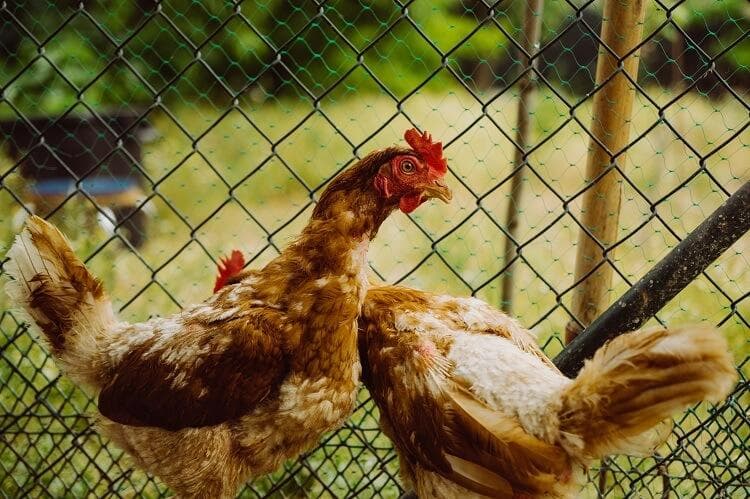
The first bald patch in a backyard flock can be the point where feather pecking tips into cannibalism. University of Maryland Extension’s Dec. 17, 2021 fact sheet treats feather pecking as part of the flock’s social order at first, while Mississippi State University Extension and Poultry Extension warn that the same behavior can tip into cannibalism once feathers are lost, skin is exposed, and one bird keeps getting targeted.
Normal sorting and escalation
Chickens and other poultry do develop a hierarchy, and the “pecking order” is real. Feather pecking can be a way chickens express dominance while establishing rank, which means some mild pecking can be normal in a small flock. The trouble starts when the pecks stop being brief social checks and become repeated attacks on feathers, bare skin, or one bird that cannot get away.
The MSD Veterinary Manual defines cannibalism in poultry as pecking at and pulling feathers and skin that can lead to feather loss, traumatic injury, and death. Penn State Extension treats poultry cannibalism as something that can be prevented and treated through management.
The triggers you can change fast
Start with the conditions you can change in the coop and run. Crowding is the first thing to check, because tight space makes every dominance shove happen in the same few feet and gives the flock nowhere to spread out. Boredom is next: if birds have nothing to peck, scratch, dust-bathe in, or explore, they turn flock mates into the next outlet.
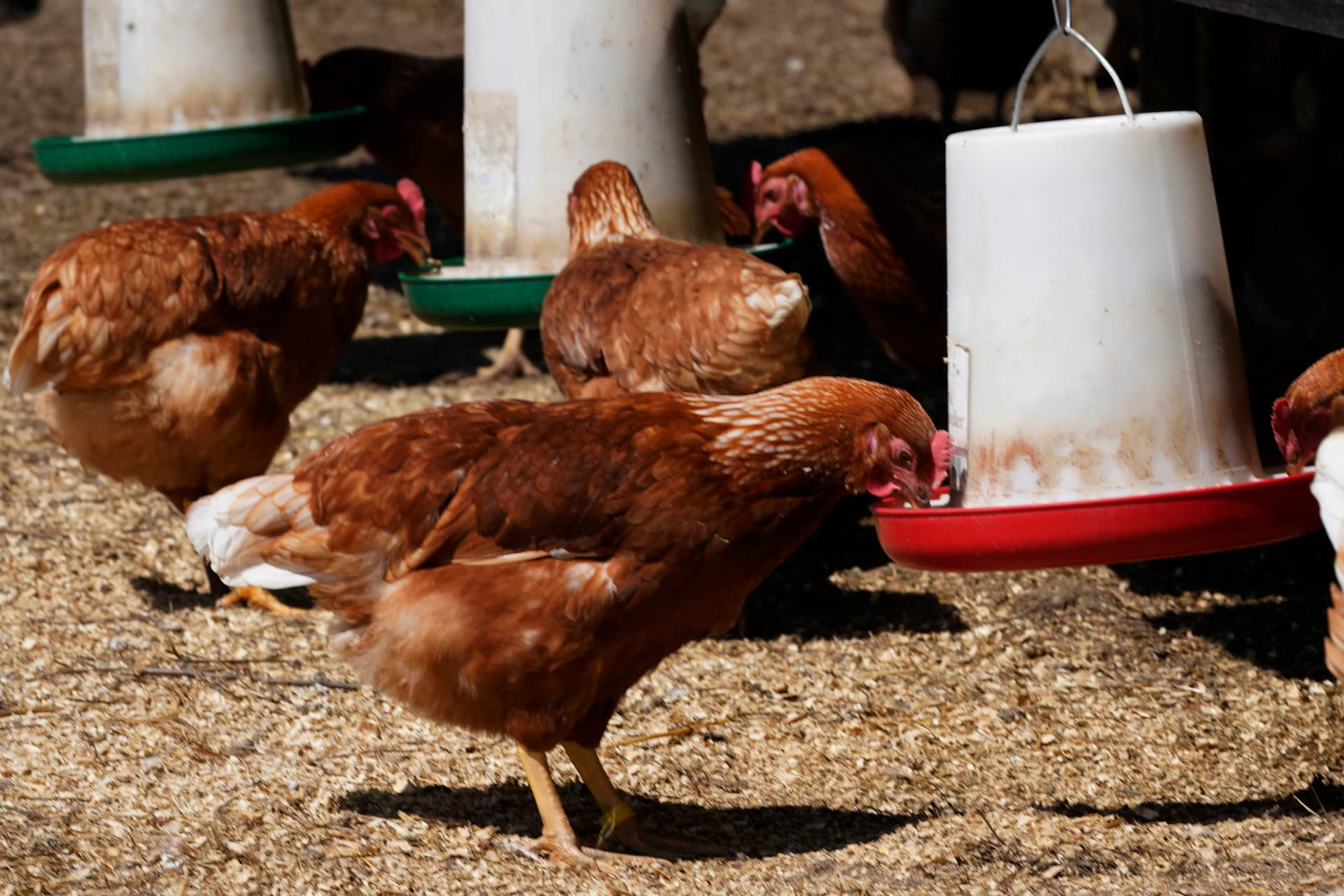
Nutrition also matters because feather loss and repeated pecking are often a sign that the birds are not getting what they need or are competing too hard at the feeder. Light is another major lever, since harsh or overly bright housing can keep birds on edge. Flock makeup matters too, because a mixed group built around very assertive birds and more timid birds can keep rank disputes alive longer than a balanced, settled flock.
What to do the moment you see damage
If it is only mild pecking
If you see quick pecks during social sorting, but no broken feathers, bare skin, or persistent targeting, watch closely and correct the conditions that make the behavior worse. Add space where you can, break up feeder competition, and give birds something better to do than stare at one another. Mild feather pecking can be part of rank-setting, but it should not be allowed to become a habit.
If feathers are missing or skin is exposed
The moment you see feather loss, skin damage, or wounds, separate the injured bird from the flock’s reach. That is the turning point where pecking can intensify because exposed skin draws more pecks, and other birds may join in once the damage starts. Inspect the bird, check whether one individual is being singled out, and treat the flock space as the problem, not just the bird.
If the same bird is always the target
When one hen is repeatedly picked on, the setup needs a bigger rethink. That can mean more room, more feeders and waterers, better sight breaks, and a calmer layout that keeps birds from being trapped in corners. If the flock keeps returning to the same victim, the coop and run need to be redesigned before the next injury turns severe.
Light and enrichment
J.B. Kjaer’s 1999 study found that light intensity during rearing affected feather pecking later in life. A 2019 study found that red light and low light intensity could alleviate feather pecking and cannibalism during the laying period.
A 2021 meta-analysis found that environmental enrichment reduces feather pecking and feather damage in laying hens. USDA Agricultural Research Service material ties that to chickens’ need to dust-bathe and forage: blocking those natural behaviors can create stress that shows up as harmful pecking. Perches, dust-bath spots, scattered scratch, and other foraging opportunities help keep the flock’s energy pointed away from each other.
A long-running problem
The UK Department for Environment, Food and Rural Affairs wrote a practical guide in 2005 aimed at managing feather pecking and cannibalism in free-range laying hens, and Compassion in World Farming followed with a 2009 report focused on controlling the problem without beak trimming.
University of Maryland Extension frames the pecking order as part of flock social order, Mississippi State Extension ties feather pecking to dominance, and the MSD Veterinary Manual and Penn State Extension treat cannibalism as a serious injury problem that management can prevent and treat.
This article was produced by Prism’s automated news system from verified source data, official records, and press releases, then run through automated quality and moderation checks before publishing. The system is built and supervised by the people who set the standards it runs under. Read our full AI policy.
Did this article answer your question?