Colonial Heights council weighs backyard hens in low-density neighborhoods
Colonial Heights put a narrow hen proposal on its council agenda, with three female chickens only in RL low-density lots and key rules still to be settled.
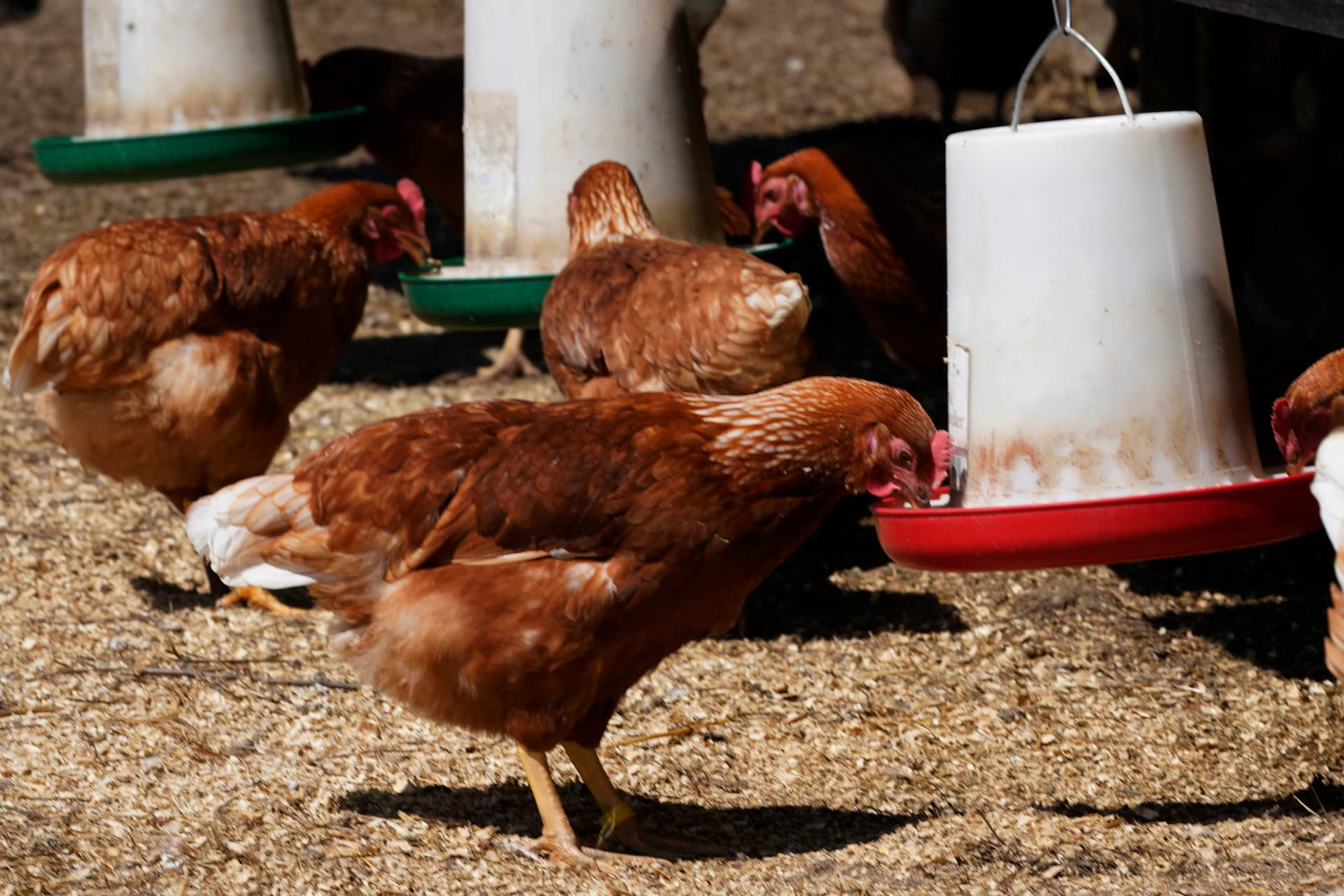
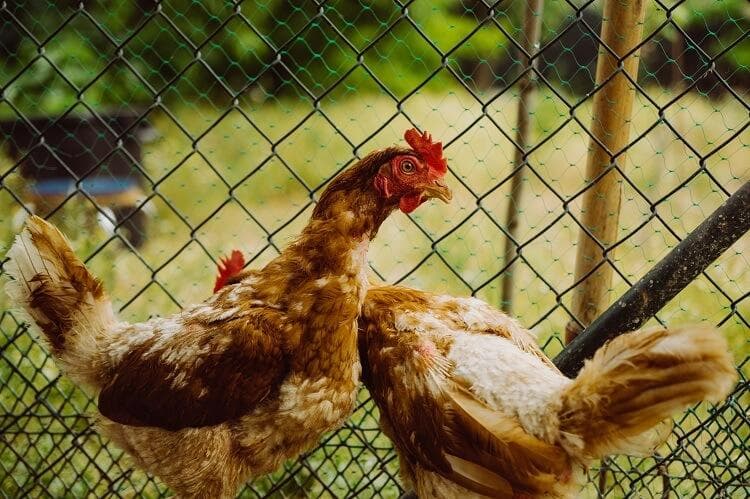
Colonial Heights City Council put backyard hens back on its agenda for a special meeting set for July 21, 2026, and the draft on the table was narrow: three female chickens, plus associated structures, in the RL Low Density Residential district.
That wording matters for anyone weighing a coop in town. It points to a limited accessory use, not a citywide livestock policy, and it keeps the proposal tied to one residential zoning district instead of opening the door everywhere in Colonial Heights.
The agenda executive summary said City Council had already discussed chickens in the city before this item came back for another round of review. It also said the Colonial Heights Planning Commission approved a recommendation to Council in November 2025 for an ordinance that would let residents keep three female chickens and the structures needed to house them.
The female-only language fits the way many backyard-hen ordinances are written. Roosters are commonly left out because of noise, and a three-hen cap sits at the low end of what cities usually allow, a sign that local officials may be trying to keep the rules tight while still making room for a small flock.
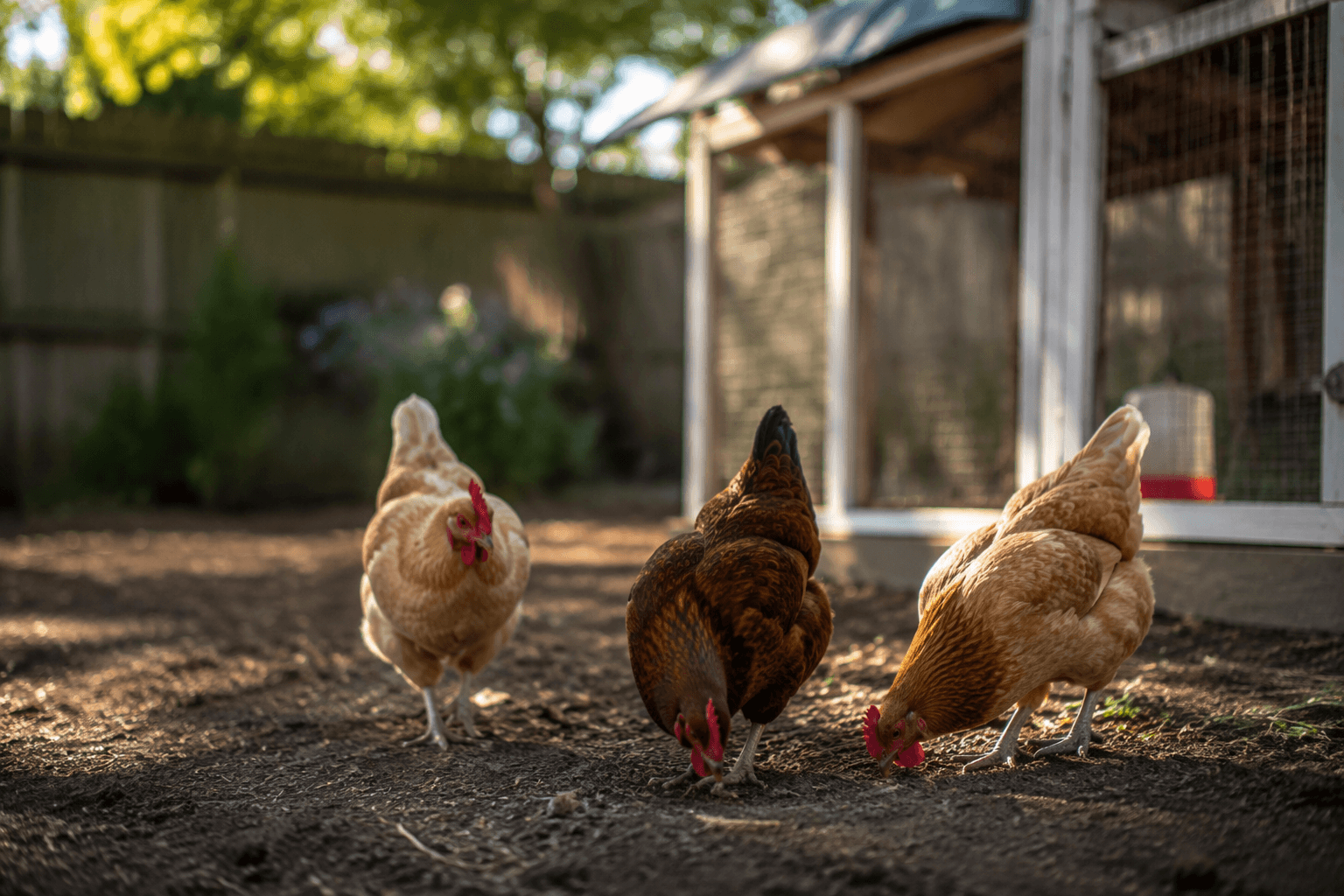
What council had still not settled was just as important as what it might allow. Discussion items like this are where the practical questions usually get sorted out: where coops can be placed, whether permits will be required, how complaints will be handled, and whether the rule will stay limited to single-family lots or reach other housing types.
A separate Nov. 5, 2025 Planning Commission agenda item also referenced an ordinance to allow keeping up to three female chickens and associated structures in the RL Low Density Residential district as an accessory use. That gave the council discussion a clear paper trail and showed the proposal had already moved through local planning review before reaching the special meeting agenda.
For residents in low-density neighborhoods, the real test was not whether chickens were suddenly on the table, but how tightly the city would draw the line. Three hens in one zoning district, under accessory-use rules, would be a very different outcome from a broader poultry policy, and the council’s next direction would determine which version Colonial Heights was willing to live with.
This article was produced by Prism’s automated news system from verified source data, official records, and press releases, then run through automated quality and moderation checks before publishing. The system is built and supervised by the people who set the standards it runs under. Read our full AI policy.
Did this article answer your question?