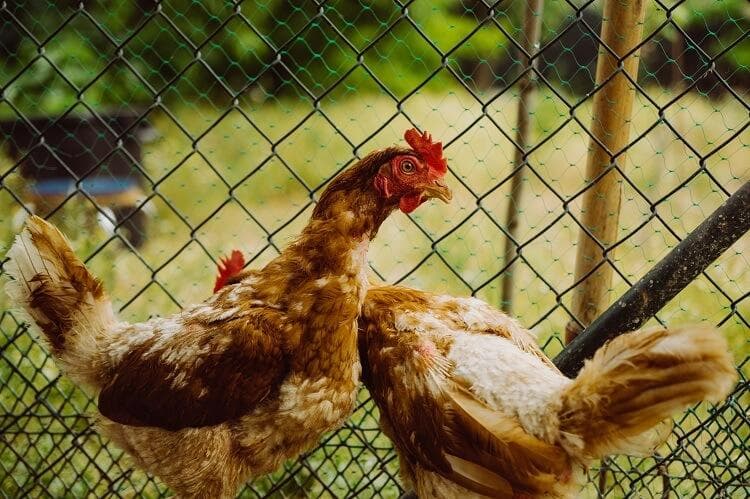
Suffield chicken farmer forced to cut flock under zoning rules
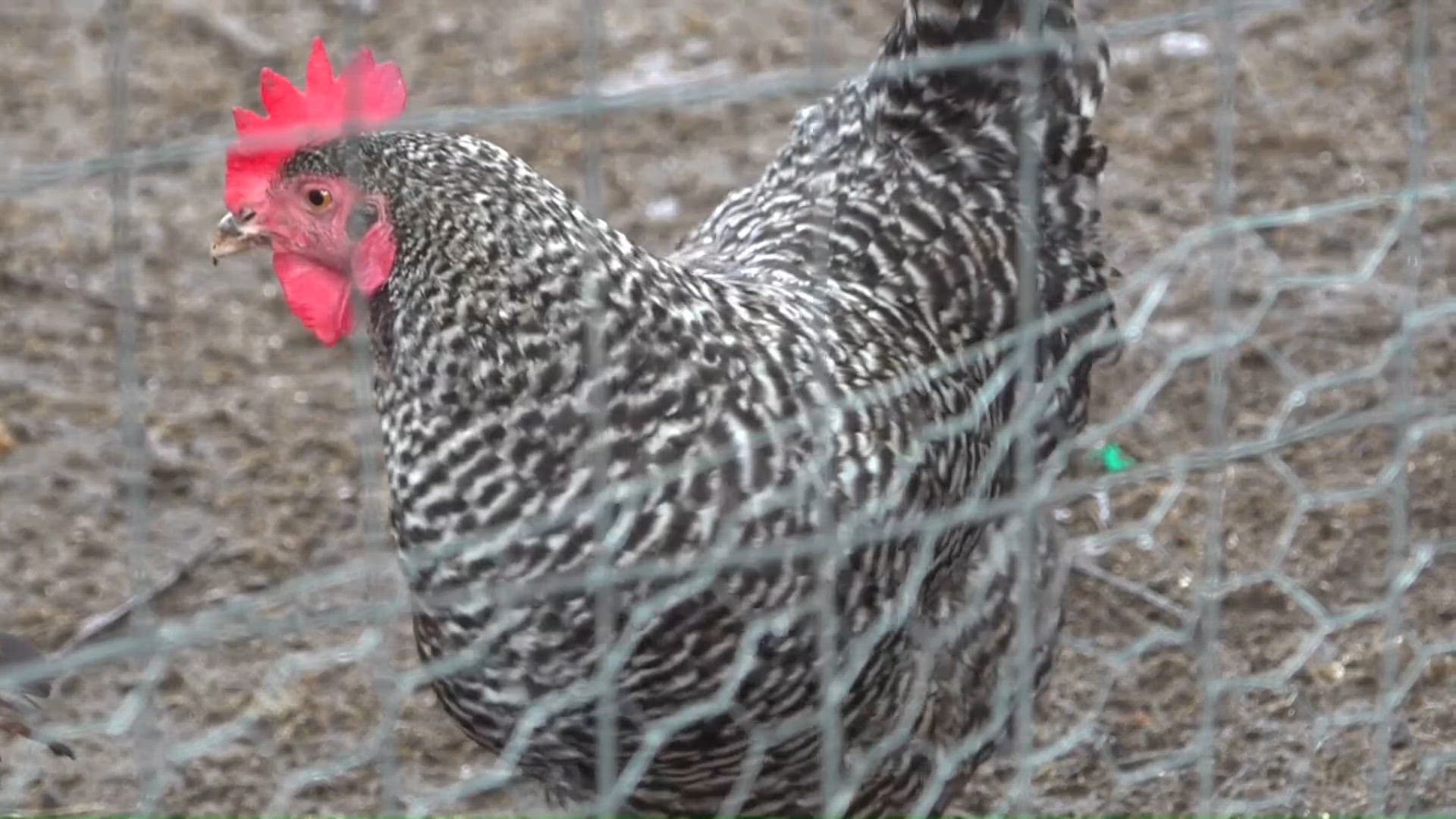
After 22 years with chickens in Suffield, Carlon had to trim his flock to match a 2015 zoning cap of five hens per quarter acre. He says he should have been grandfathered in.
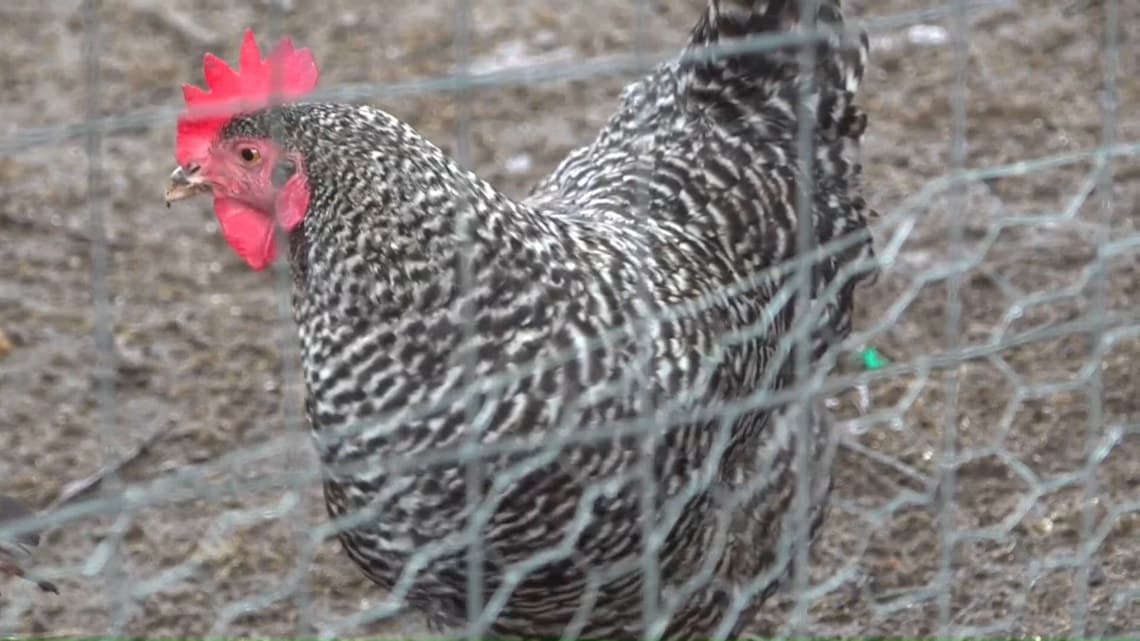
A Suffield chicken farmer was forced to cut back his flock after 22 years of keeping birds, after town zoning rules capped backyard hens at five per quarter acre. Tim Littau identified the farmer as Carlon, who said he should have been grandfathered in under the older setup.
The change traces to zoning regulations that went into effect in 2015. Under those rules, a property in Suffield can keep five hens for every quarter acre, a limit that can squeeze longtime backyard coops when the lot size or permit status does not line up with the current code.
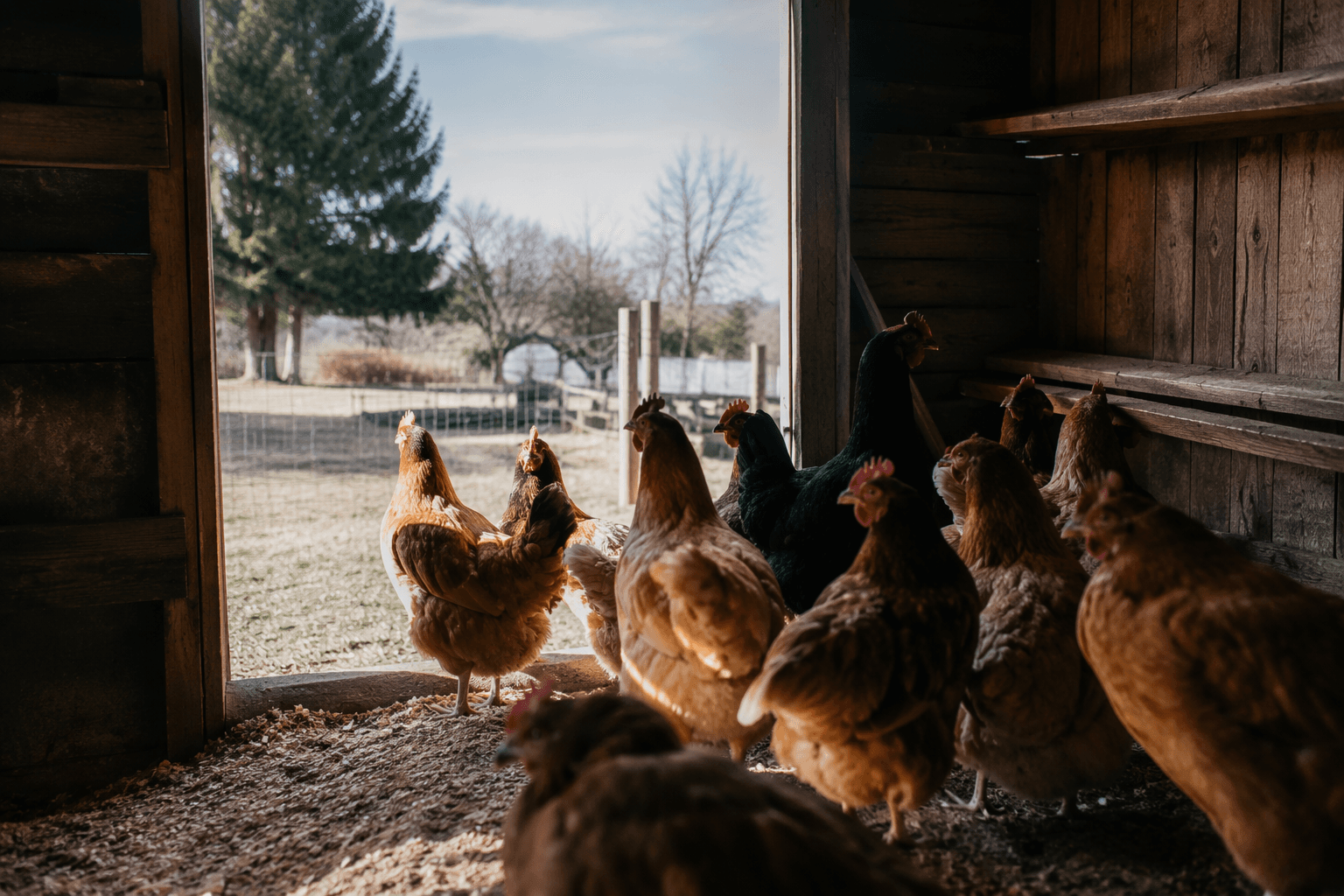
The dispute also touched the land-use permit fee for backyard chickens, adding another layer to what had been a working setup for years. For chicken keepers in Connecticut, that is the practical risk: a flock that was fine for decades can become noncompliant when a town rewrites the rulebook, then starts enforcing it against an existing yard.
Carlon’s case lands in the middle of a broader Connecticut conversation about backyard poultry. UConn Extension has a publication devoted to permitting and regulating backyard chickens in the state, and a UConn Today piece published March 1, 2025 showed the topic was still drawing public guidance and interest statewide.
Before buying pullets, expanding a coop, or adding a run, check the lot size math against the current flock cap, ask whether a land-use permit is required, and confirm the fee schedule with town hall. In Suffield, the numbers matter: five hens per quarter acre, a permit issue, and a zoning change from 2015 were enough to force a long-time keeper to scale back what had been working for 22 years.
This article was produced by Prism’s automated news system from verified source data, official records, and press releases, then run through automated quality and moderation checks before publishing. The system is built and supervised by the people who set the standards it runs under. Read our full AI policy.
Did this article answer your question?