Why hens slow egg laying in winter, and how light helps
Winter egg slowdowns usually come down to daylight, not a broken flock. A timer, an early-morning bulb, and a 14 to 16 hour target can help without wrecking rest.
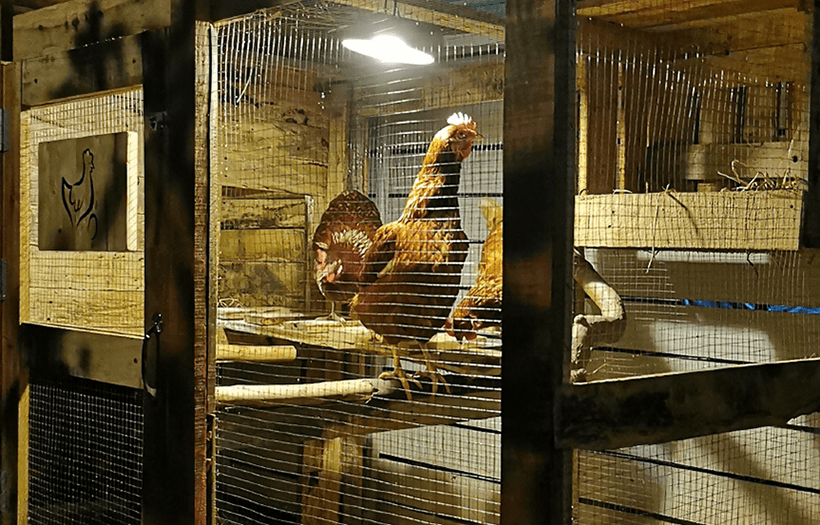
Nutrena’s winter lighting guide puts natural daylight in the northern United States at under nine hours at the end of December. University of Nebraska Extension home-flock guidance ties maximum production to about 16 hours of total light a day because the avian reproductive cycle is stimulated by light. The real choice for a backyard flock is simple, even if the setup is not: add light to hold production steady, or let the hens follow the season and slow down naturally.
Why winter egg counts fall
Short days do more than dim the coop. They put daylight well below the 14 to 16 hours of light commonly associated with good laying. Penn State Extension’s “Artificial Lighting for Winter Egg Production” works from the same practical range.
A hen is not counting eggs, she is reading daylight. When the light signal shortens, her reproductive system follows suit, even if feed, water, and shelter are all in good shape.
What supplemental light actually changes
Light is the on-switch for egg production. The avian reproductive cycle is stimulated by light, and enough total light helps sustain laying. Nutrena’s winter lighting material puts the daily target at about 15 hours, and across poultry guidance the same rough range keeps coming back: roughly 14 to 16 hours.
The PubMed Central paper titled “Evaluation of the Impact of Light Source on Reproductive Parameters in Laying Hens Housed in Individual Cages” treats lighting as a reproductive variable. USDA Agricultural Research Service material titled “Lighting is Key in Poultry Health” and Southern Sustainable Agriculture Research and Education’s item on artificial light increasing egg laying during fall and winter show how long light management has been part of poultry production.
When adding light makes sense
Supplemental light helps most when you want winter eggs from mature hens and you can keep the routine steady. It is useful in small backyard flocks where the goal is not maximum commercial output, but a more even trickle of eggs through the darker months. It is less useful if you are hoping to force birds through a natural pause, or if the flock is already under stress from heat, predators, or inconsistent care.
More light can keep eggs coming, but it can also interfere with molt, rest, and the natural downtime hens use to recover. Older hens may still slow down with age even under good lighting, so a dim winter basket is not always a lighting failure.
How to set it up without throwing the flock off
The best lighting setup is boring in the best way possible: consistent, predictable, and gentle.
- Put the light on a timer so the day length is stable.
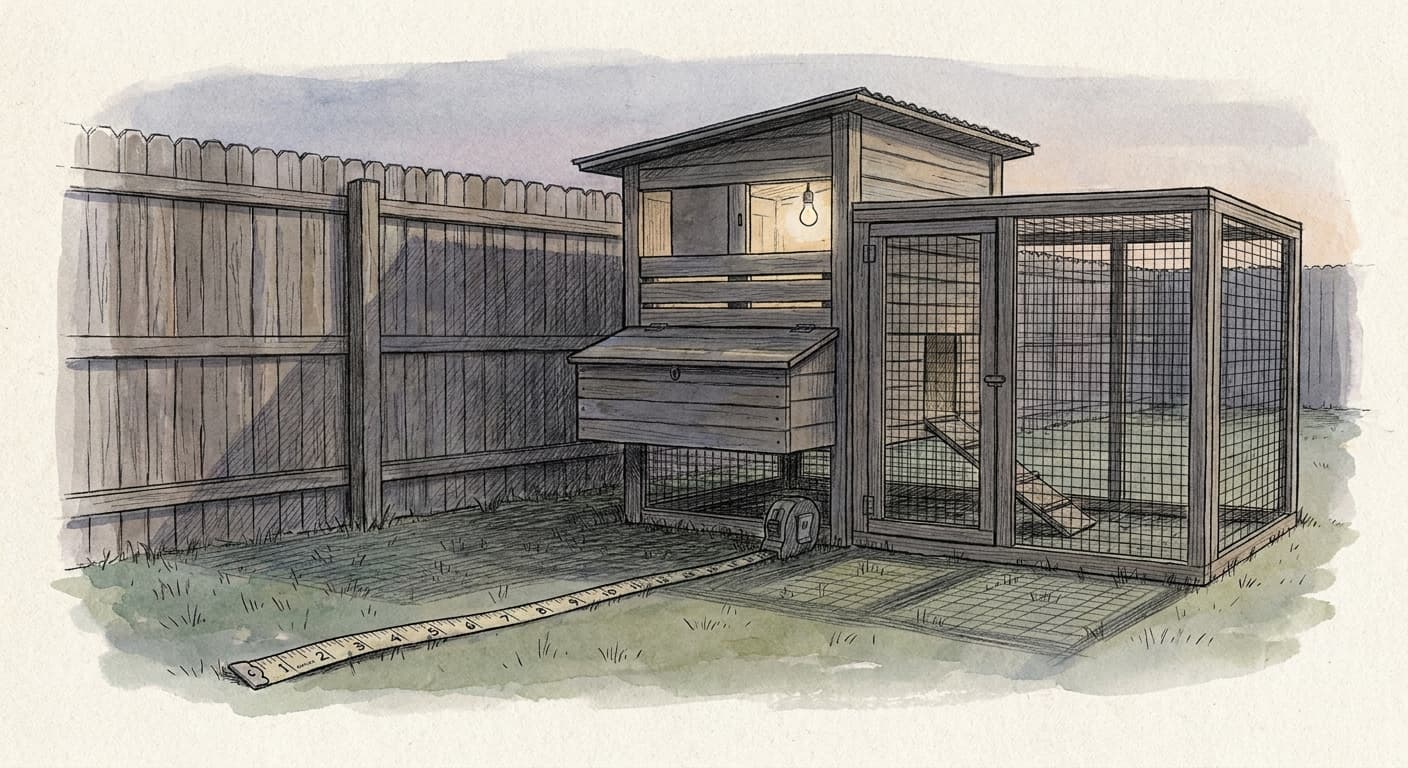
- Add supplemental light in the early morning, not late at night, so hens can go to roost naturally.
- Increase the total light gradually rather than jolting birds from short natural days to a long artificial one overnight.
- Keep the light bright enough that you can read a newspaper at bird level, the benchmark Backyard Poultry uses for coop lighting.
- Leave a real dark period every night so the flock can rest.
Hens need darkness as much as they need daylight, and an irregular schedule can stress birds and disrupt the reproductive rhythm you are trying to support. The Philippine Animal Welfare Society links simple lighting adjustments to greatly reduced stress in chickens.
The practical threshold for a backyard flock
For most home coops, the decision comes down to whether you can hold a clean lighting schedule from fall into winter. If your flock is already getting close to 14 hours of natural light, you may not need to do much. If daylight has fallen well below that, and especially if you want to stay near the 15 to 16 hour range tied to steady laying, supplemental morning light can help carry production.
If you would rather let the flock molt, rest, and move through the season on its own timetable, that is a valid choice too.
This article was produced by Prism’s automated news system from verified source data, official records, and press releases, then run through automated quality and moderation checks before publishing. The system is built and supervised by the people who set the standards it runs under. Read our full AI policy.
Did this article answer your question?