Grand Slam publiceert 2026 Hoofdklasse-rosters, van openingsteam tot blessures
Grand Slam’s roster hub shows who is in, out, hurt, and overseas as Amsterdam Pirates and HCAW reshape their 2026 starts.
Amsterdam and HCAW give the 2026 Hoofdklasse its early storyline
The first thing the Grand Slam roster page makes clear is that this season is being shaped as much by availability as by talent. Amsterdam Pirates enter with Mervin Gario in charge, backed by a staff that includes Roeland Henrique, Glenn Koolman, Gaetano Cristiano, Danny Rombley and Shane Gnade, while HCAW introduces René Baltus in his first Hoofdklasse season as head coach there. That combination of a familiar powerhouse with a busy roster picture and a coaching change in Bussum is exactly the kind of detail fans use to read the league before the standings settle.
Why this roster page matters now
Grand Slam’s 2026 Hoofdklasse overview is not just a list of names. It is a live snapshot of how clubs are building their opening teams, who is being carried as non-roster depth, who is unavailable because of injury, and who is temporarily absent because of college baseball in the United States or a stint in a foreign league. The page was updated on 21 April 2026, after the regular season opened on Thursday 9 April and after games played through Saturday 18 April, so it captures the league at the point where opening plans start colliding with reality.
That timing is what makes it so useful. By the time the first rounds are underway, a roster page like this tells you not just who belongs to a club, but how a club is surviving the start of the year: who is carrying the load, where the depth is thin, and which absences are temporary versus structural.
How to read the status labels
The page is especially practical because it separates the roster by role and status, making the construction of each team easier to follow. Instead of forcing you to guess whether a player is active, the page marks the opening-day group, non-roster players, injured players, college-season absences and overseas assignments.
- Opening-day roster players show who the club expected to lean on at the start.
- Non-roster names point to depth and possible call-up options.
- Injured-list markers reveal where immediate holes exist.
- College-season labels explain why some Dutch talents are currently absent.
- Overseas listings show which players are tied up with baseball elsewhere.
That structure turns the page into a practical scouting tool. If you follow the Hoofdklasse as a talent pipeline, it tells you not only which club is strong on paper, but which club has to improvise from week to week.
Amsterdam Pirates: depth, departures, and the pressure of absence
Amsterdam’s overview is the clearest example of how a roster page reveals the real shape of a season. The staff section centers on Mervin Gario, with Roeland Henrique, Glenn Koolman, Gaetano Cristiano, Danny Rombley and Shane Gnade all visible in the club structure, giving the Pirates a recognizable backbone before the results really start to matter. That matters because a club like Amsterdam is never just judged by its starting nine; its coaching and bench depth are part of the story too.
The bigger takeaway is how international and mobile the Amsterdam roster has become. Beerman, Van den Bos, Farley, Van der Lelie, Salazar and Smeenk are all explicitly tied to college baseball in the United States, while Scott Prins is listed as playing for Nettuno in Italy’s Serie A. On top of that, Jason Jakobus, Tommy van de Sanden and Julian Toppen are marked injured, which means the club is not only managing departures and outside commitments but also trying to absorb day-to-day health issues.
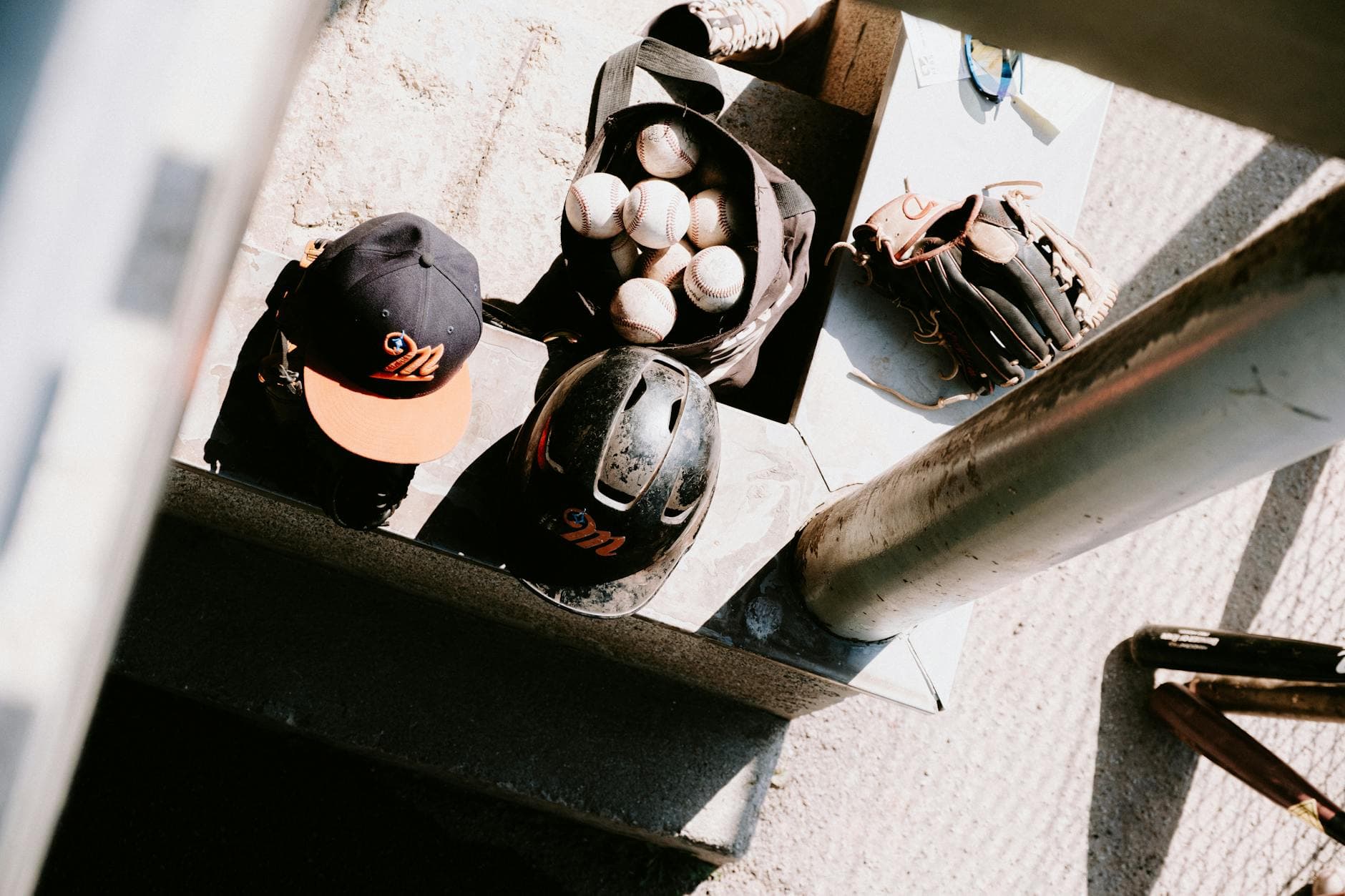
That mix tells you a lot about Dutch baseball in practice. Amsterdam is not simply choosing a lineup; it is constantly balancing local development, overseas experience and immediate availability.
HCAW under René Baltus starts with a fresh coaching voice
HCAW’s entry is just as interesting, even if the details are different. René Baltus is presented as head coach in his first Hoofdklasse season with the club in 2026, which gives Bussum one of the season’s clearest coaching storylines. Any team with a new voice at the top invites questions about style, depth usage and how quickly the roster settles into a rhythm.
The value of the HCAW section is that it sits alongside the Amsterdam material as a direct comparison point. You can see not just a team name and a schedule slot, but a club making an early-season identity decision around leadership and squad composition. For fans following the title race, that kind of shift matters just as much as a big signing.
The bigger competition map sits beside the roster page
Grand Slam’s overview also fits neatly into the wider competition structure that the KNBSB has already set for 2026. The federation has published official speeldagenkalenders for the baseball and softball season, along with official poule indelingen for both competitions. KNBSB also keeps the program, results and standings in one central competition section, so the roster page works best when read alongside the league’s official framework.
That connection matters for anyone tracking the Hoofdklasse week by week. The roster page tells you who can play; the KNBSB calendar and poule structure tell you when and where those players matter. Put together, they give you the quickest route from selection news to actual competitive context.
Why this page is more than a roster dump
Grand Slam calls itself the first Dutch baseball and softball news site, founded in November 1997, and that history shows in the way it presents information. This is not just a database entry for hard-core stat readers. It is a guide to the league’s moving parts, built for followers who want to understand how Dutch clubs are managing talent, injuries and external commitments in real time.
The KNBSB’s historical standings, which go back to 2006, add another layer. Between that archive and a roster page like this, you can track not only who is active now, but how club building has evolved over time. That is what makes the Grand Slam overview so useful in the opening stretch of the season: it shows the Hoofdklasse as a living puzzle, with every injury tag, overseas assignment and coaching change affecting the picture before the race has even properly settled.
Know something we missed? Have a correction or additional information?
Submit a Tip