Storks chase one last championship push in 2026 season
Storks are treating 2026 like a final window, with a deeper roster and a looser coaching setup. The comeback over Thamen hints this could still be a real title run.
A last serious window
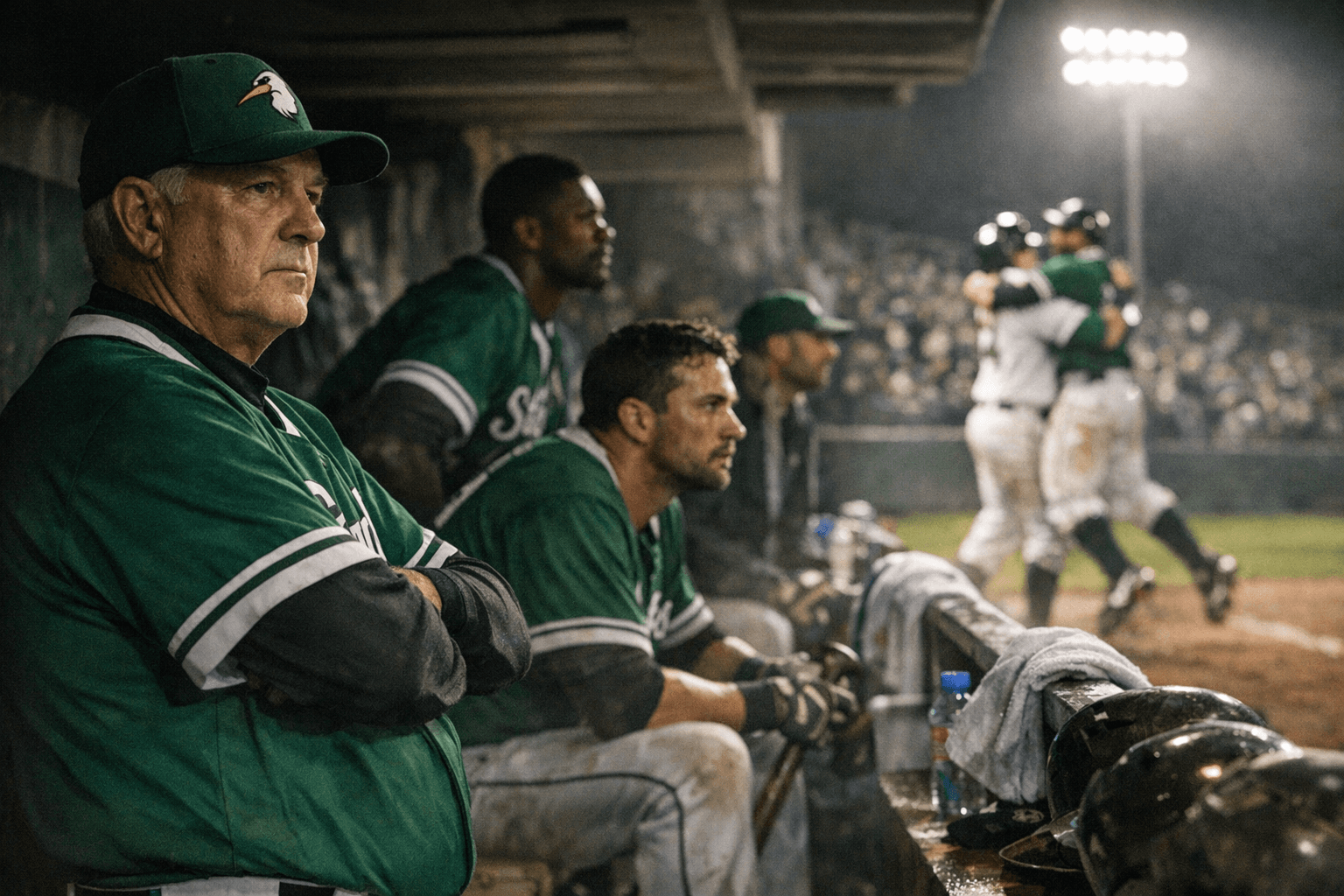
Storks are entering 2026 with the kind of urgency you usually feel only at the edge of a cycle. This is not just another season in the overgangsklasse. For a core that has already lived through a voluntary drop from the Hoofdklasse, the question now is whether this is a farewell run, a bridge to something smaller, or one last push that still has enough muscle to matter.
That matters because the club is not pretending otherwise. The recent Storks years have been steady but plain, and the profile around this team makes clear that the group wants to change that by chasing a championship one more time. Shortstop Quinlan de Windt is one of the clearest voices in that push, and the message from the dugout is simple: the club believes the window is still open, even if it may not stay open for long.
Why this season feels different
The backdrop goes back to 2023, when Storks moved out of the Hoofdklasse for financial reasons and settled into the overgangsklasse, the second tier of Dutch baseball. That step lowered the weekly strain on the squad, but it also exposed a pattern that has haunted the club in doubleheader weekends: one strong side, one weaker side, and results that usually landed somewhere in the middle.
That history is exactly why the 2026 mood feels sharper. Storks has not just accepted a smaller version of itself. The club is trying to rebuild the competitive edge that made it a Hoofdklasse side for six seasons, while also respecting the reality that a club with roughly 300 members could not keep pushing the first team at the expense of everything else. The old move was about survival. This year is about whether survival can be turned into ambition again.
There is also a human factor that makes the stakes feel personal. When Storks stepped down, AD reported that only one player remained from the previous Hoofdklasse group, which tells you how much turnover followed the decision. This is not the same team trying again. It is a rebuilt one, carrying the memory of the old standard while trying to decide whether it still belongs near the top.
The Thamen comeback says a lot
Spring games do not decide a season, but they do tell you what kind of team you are looking at. Storks’ tune-up against Thamen was the clearest sign yet that there is still something live here. The team trailed 8-1 at one point, then fought back to win 13-9, a swing that says as much about stubbornness as it does about offense.
That scoreline matters because it showed two things at once. First, Storks can still score in bunches when the bats wake up. Second, the group has enough resilience to recover after a bad stretch, which is exactly the quality a contender needs over a long doubleheader season. If this is going to become a serious title push, it will not happen because the team never gets hit. It will happen because it can take the punch and keep playing.
The roster is built to last longer through weekends
The biggest practical change for Storks in 2026 is commitment. Quinlan de Windt says more players have agreed to play both games every weekend, and that sounds like a small detail until you remember how much the club’s results have been shaped by roster depth. In the past, the doubleheader split often left one side stronger than the other. If more players are now willing to carry both games, the team becomes harder to game-plan against and more stable over the long haul.
The additions and returns help too. Luuk Visser has arrived from UVV, while Tyrone de Windt and Brian van der Vlist are back in the mix. Those are exactly the kinds of names that matter in a veteran-driven season: not flashy headlines, but experienced pieces who make a lineup look more complete and make the bench less fragile.
This is also why the current push has a farewell feel. A roster like this does not just appear out of nowhere. It is built from people who know each other, know the club, and know that the next version may not look quite like this one. That can create urgency, and urgency can be useful when you are trying to squeeze one last championship run out of a familiar core.
A coaching setup built for shared responsibility
The dugout structure is unusual, and that may be one of the more revealing parts of the story. After Adja Bernardus left, Storks did not replace her with a single head coach. Instead, the workload is being split between Tjibbe van Dijk, Joost van den Bergh and assistant Thierry Walraven, while Quinlan de Windt and Mellin Plas handle in-field organization.
That kind of shared model can look messy from the outside, but it also fits a team that is leaning on experience and trust. When a club has gone through major turnover and is trying to stretch a veteran core for one more push, the leadership often ends up looking collective rather than top-down. Storks seems to be betting that this group can manage itself well enough to stay competitive without forcing a rigid hierarchy onto a roster that already knows how much is at stake.
Where Storks sits in Dutch baseball now
For readers mapping the Dutch competition structure, the KNBSB remains the governing body that frames the sport through official competition, standings and schedules. The difference between the Hoofdklasse, Promotieklasse and Overgangsklasse matters here, because Storks’ story only makes sense when you understand how much the club gave up by leaving the top level and how much it still wants to prove in the tier below.
The club’s own 2026 team overview page lists the men’s first baseball team and places the organization at Schapenatjesduin 9 in Den Haag, the kind of detail that underlines how rooted this team still is in its local base. That is the heart of the story: a Haags club trying to turn a pragmatic downgrade into a serious competitive reset, without pretending the old ambition disappeared.
If Storks can turn the Thamen comeback, the deeper weekend commitment and the returning experience into something repeatable, this season becomes more than a nostalgic lap. It becomes the answer to whether a club can step down, rebuild and still swing back hard enough to matter at the top of Dutch baseball.
Know something we missed? Have a correction or additional information?
Submit a Tip