2026 analysis reveals common bath bomb ingredients and their skin benefits
The guide "Bath Bombs Guide 2026: Ingredients and Skin Benefits" (published/updated Feb. 19, 2026) links common ingredients to skin effects and practical DIY ratios like 1 tbsp oil per 1 cup baking soda.

The guide "Bath Bombs Guide 2026: Ingredients and Skin Benefits", published/updated Feb. 19, 2026, takes a product-centric approach that catalogs common bath‑bomb ingredients and connects them to skin benefits and formulation practice. Safety and troubleshooting notes are front and center: Diybeautybase cautions that "Sea and Epsom salts are very good for our skin which makes them greats ingredients for bath products," but also warns "However, I would avoid using salts in bath bombs if you are a beginner" because "Salts attracts water and can make your bath bombs activate prematurely." The same source recommends prevention tactics for colorant staining: "Polysorbate 80 - it prevents dyes and mica from staining your bathtub."
What bath bombs are and how they work is described in plain chemical terms in the assembled material. Thelavishgoat defines them as "compacted mixtures of dry ingredients that effervesce when they come into contact with water" and explains that "the fizzing action is a result of a chemical reaction between baking soda (sodium bicarbonate) and citric acid." Brambleberry echoes the emphasis on the acid-base reaction: "This one is the most important! It’s what makes your bath bomb fizz!" and instructs makers to sieve sodium bicarbonate and break up citric acid clumps before mixing to prevent uneven activation.
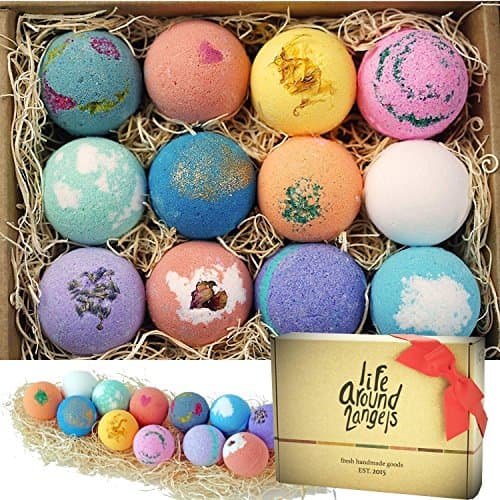
Skin-conditioning ingredients appear consistently across sources. Diybeautybase states plainly, "Oil is what makes bath bombs moisturizing, so make sure you don’t skip them," and offers a practical ratio: "I usually add 1 tbsp of oil per 1 cup of baking soda." Reviewed's product notes quote the LifeAround2Angels site claiming each bomb contains "natural ingredients," such as baking soda, citric acid, shea butter, cocoa butter, olive oil, coconut oil, epsom salt, kaolin clay, and cosmetic skin‑safe colorants, linking retail formulations to the guide's ingredient analysis.
Surfactants and foaming agents are singled out for both performance and gentleness. Diybeautybase explains that "SLSA (Sodium lauryl suloacetate) is a very mild foaming agent that is used in a variety of bath products. In bath bombs, it is used to create bubbles. SLSA is sourced from coconut and palm oils. It is much milder than SLS and does not contain any potentially irritating ingredients." For foam similar to LUSH products, Diybeautybase recommends buttermilk powder: "Buttermilk powder creates beautiful foam! If you want to make bath bombs similar to LUSH ones, then you should try this ingredient."
Texture and color are addressed with specific ingredients. "Cornstarch is a very fine powder that makes bath bombs harder and smoother. It also makes bath water feel very silky," Diybeautybase states, while its colorant section references mica powder and repeats that Polysorbate 80 prevents staining and helps disperse oils so you "won’t see any oil blobs floating in the water."
Aromatherapy and scent profiling appear in the product catalog drawn from Wicked-good Co, which lists dozens of SKUs and notes: Sakura and Seanik both include "lemon, neroli, mimosa, jasmine"; Seaweed Giant is described with "lemon, sea water, seaweed, lime juice, neroli, red mandarin, vanilla"; Scrubee includes "bergamot, orange, honbeycomb" (spelling preserved from the source). The overlap of citrus, neroli, and floral notes underlines the guide's product-centric mapping of scent to skin and mood benefits.
Consumer-facing testing rounds out the picture. The Reviewed roundup names LifeAround2Angels bath bombs as "Best Overall" for a golf‑ball size that "moisturize the skin well" with pros listed as "Pleasant scent," "Doesn't stain bathtub," and "Moisturizing," and reports no notable cons in the excerpt. Reviewed also highlights Prima Bath Gem as a "Best for Dry Skin" pick that "dispurses nice oils when it hits the water, and leaves your skin feeling buttery smooth."
Practical DIY takeaways in the assembled material are concrete: sieve powders before mixing, limit water-based ingredients, use small measured amounts of oil as a binder and moisturizer, and add polysorbate 80 when using mica or heavy oils. Those steps, paired with the guide's product-centric ingredient list dated Feb. 19, 2026 and cross-checked product examples, give makers a clear map from ingredient choice to on-skin effect and in-bath performance.
Know something we missed? Have a correction or additional information?
Submit a Tip