Are Bath Bombs Eco Friendly? Key Ingredients and Packaging to Avoid
The cleanest bath bomb is the one that skips plastic glitter, petroleum dyes, and fancy overpackaging. Read the ingredient list like a waste audit, then buy or make accordingly.
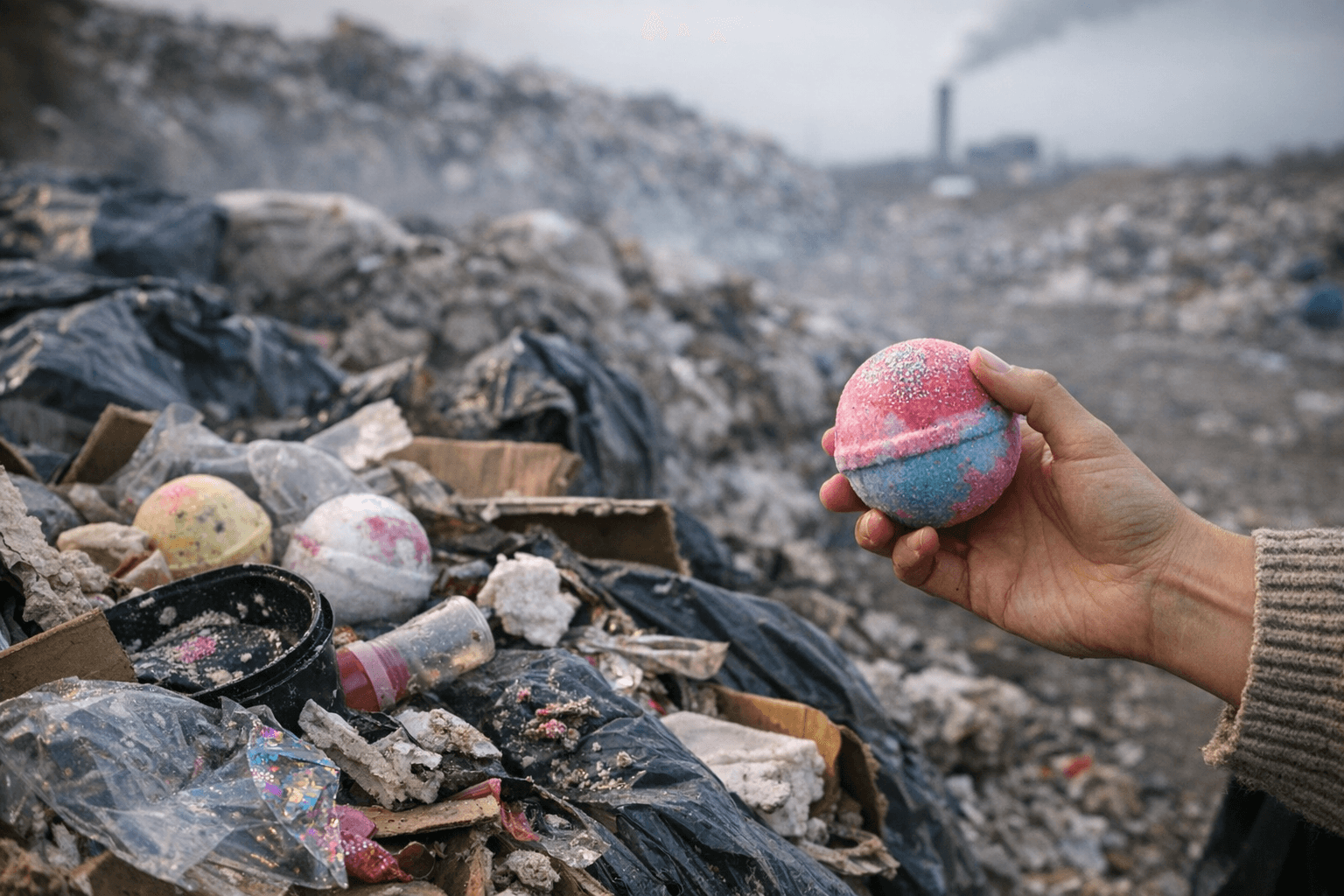
Start with the quickest eco test: what will wash down the drain, and what will stay in the bin?
If a bath bomb is built on sodium bicarbonate, citric acid, plant-based oils, and a simple scent, it has a better shot at being genuinely lower-impact. If it leans on plastic glitter, petroleum-based dyes, heavy fragrance, and layers of decorative packaging, it may look natural while still carrying the same waste problems personal-care products have caused for years.
That matters because the U.S. Environmental Protection Agency treats pharmaceuticals and personal care products as contaminants of emerging concern in water and wastewater, and it identifies cosmetics as a source of intentionally manufactured primary microplastics. The lesson for bath bombs is straightforward: what dissolves in your tub does not disappear from the environmental conversation.
Use this ingredient checklist before you buy or mix
Keep the base simple
A lower-waste bath bomb usually starts with the classic recipe backbone: sodium bicarbonate and citric acid. Those ingredients give you the fizz without depending on a long list of synthetic extras, and they make it easier to judge what else has been added for performance versus marketing.
Cold-pressed carrier oils like coconut or jojoba are a smart add-in when you want slip and moisture without reaching for synthetic emollients. They do change the feel of the finished bomb, so the tradeoff is simple: richer bath water, but a recipe that can become softer or more fragile if you overdo it.
Choose scents that do not hide a bigger problem
Natural essential oils are the cleaner fit when you want fragrance in a bath bomb, but “natural” does not automatically mean “fragrance-free” or “sensitive-skin safe.” The U.S. Food and Drug Administration says fragrance ingredients are common in cosmetics, and even products labeled unscented may still contain fragrance ingredients used to mask odors.
That is the detail many shoppers miss. If you are buying for someone with allergies or sensitivity, the safer move is not just looking for a botanical label, but asking whether the product is truly fragrance-free. Scent can be beautiful and still be a problem.
Skip petroleum dyes and plastic glitter
Natural colorants are the cleaner choice, especially plant-derived pigments or responsibly sourced mineral options. Petroleum-based dyes are harder to break down and can be harder on aquatic ecosystems, which makes them a poor match for a product that is literally designed to dissolve in water.
Plastic glitter deserves the same skepticism. If it is made from plastic, it belongs in the microplastic conversation, not the eco-friendly basket. The EPA defines microplastics as plastic particles from 5 millimeters down to 1 nanometer, and that range is broad enough to cover the tiny decorative bits that can make a bath bomb sparkle while adding to pollution.
Why the packaging matters as much as the recipe
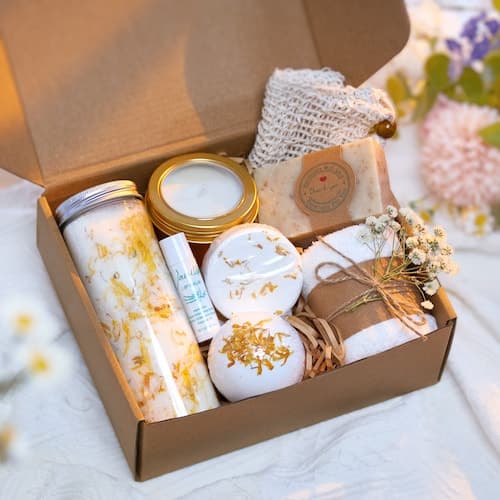
A bath bomb can have a thoughtful formula and still fail the lower-waste test if it arrives wrapped like a gift tower. Plastic-heavy bags, glossy inserts, sealed trays, and oversized boxes all add material that exists only to create a premium look.
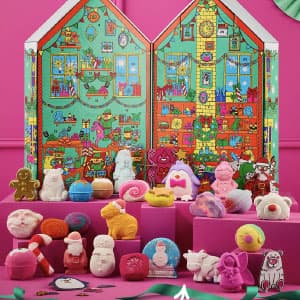
Lush offers a useful benchmark here. The company says some products are sold as “naked,” meaning without packaging, and bath bombs are part of that strategy. It also says total recycled content in all its packaging is about 89%, with 90% by weight of packaging material recycled, and it has a goal of 100% recyclable or compostable packaging. That gives you a practical standard for comparison: less packaging, higher recycled content, and an actual end-of-life plan.
- Bare or minimal wrapping
- Recyclable paper or cardboard instead of mixed-material plastic
- Clear refill or return systems
- Packaging that protects the product without becoming the product
If you are shopping, look for:
The prettiest box is not the greenest box. A bath bomb in simple paper or sold naked usually beats one buried under decorative plastic, even if both use the same ingredients.
Small-batch making usually wastes less, and it usually performs better
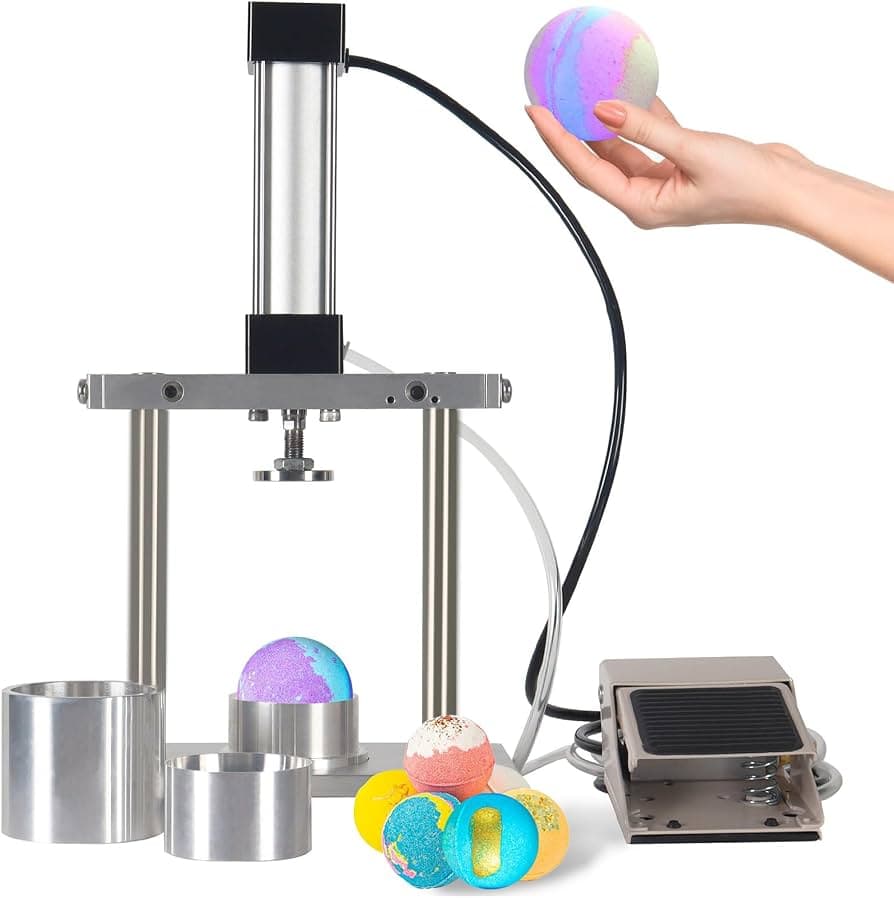
Coorong Candle Co. frames small-batch, handcrafted production as a sustainability win, and it makes sense in practice. Smaller batches reduce the chance of overproduction, cut down on spoiled inventory, and make quality control easier when you are testing texture, fragrance load, and mold release.
That is especially useful for makers who want bath bombs that hold their shape without unnecessary fillers. A smaller batch also makes it easier to adjust moisture, oil content, and color before you commit to 50 or 500 units. In bath bomb making, that kind of control is not just a craft advantage, it is a waste reduction strategy.
Responsible sourcing and local production matter too. Shorter supply chains can mean fewer transport emissions and less packaging built around shipping fragile, high-volume inventory. If you sell at craft fairs or online, local sourcing can also make your ingredient story cleaner and easier to explain without overselling it.
Know the regulatory backdrop, especially if your bath bombs use tiny particles
The bath bomb sustainability debate sits in the same family as the long campaign against microbeads in rinse-off cosmetics. The FDA says the Microbead-Free Waters Act covers rinse-off cosmetics, including toothpaste, that contain intentionally added plastic microbeads meant to exfoliate or cleanse the body. The Personal Care Products Council says the law was signed in 2015 and took effect on July 1, 2017, after the industry began a voluntary phase-out in 2014.
That history matters because it shows how quickly a popular personal-care ingredient can move from trendy to unacceptable when environmental harm becomes clear. If your bath bomb contains intentionally added plastic particles, whether for shimmer, exfoliation, or visual effect, it is swimming against that same tide.
The modern bath bomb made this shift unavoidable
Bath bombs are not ancient spa relics. Lush says Mo Constantine invented the first one in 1989 in her garden shed, originally calling it an Aqua Sizzler. The company says it has since sold more than 350 million bath bombs globally and created more than 500 designs, which tells you how fast a novelty became a mass-market staple.
That scale is exactly why the eco question matters now. A product once made in a shed can end up in millions of bathrooms, millions of drains, and millions of packages. At that point, the difference between a careful formula and a flashy one is not cosmetic. It is environmental.
A useful maker’s rule: judge the whole object, not just the label
A bath bomb is meaningfully eco friendlier only when the ingredients, the scent, the colorants, and the packaging all point in the same direction. Sodium bicarbonate, citric acid, natural essential oils, cold-pressed carrier oils, plant-derived or responsibly sourced mineral colorants, and minimal or recyclable packaging form a coherent low-waste package.
The warning signs are just as coherent: plastic glitter, petroleum-based dyes, heavy fragrance masking, and plastic-heavy packaging. If even one of those shows up, the product may still be fun, but it is not doing the environmental work its label implies. The best bath bombs feel luxurious in the tub and restrained everywhere else.
This article was produced by Prism’s automated news system from verified source data, official records, and press releases, then run through automated quality and moderation checks before publishing. The system is built and supervised by the people who set the standards it runs under. Read our full AI policy.
Did this article answer your question?