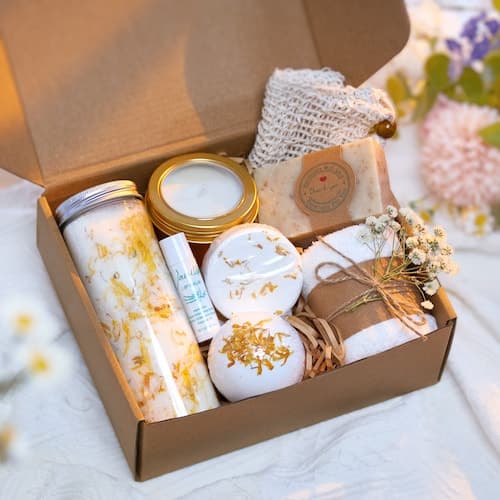
Ayurvedic Bath Bombs: Four Dosha-Targeted Recipes for Balanced Bathing
Four bath bombs tailored to Vata, Pitta, Kapha, and all three doshas at once, using Ayurvedic herbs and oils that work with your constitution, not against it.
Four bath bombs targeting every dosha type — including one that works for everyone. That's the core of the Ayurvedic bath bomb approach, where ancient constitutional science meets the DIY tub fizzy you've already mastered.
Why Doshas Change the Whole Formula
Ayurveda recognizes three doshas, Vata, Pitta, and Kapha, as the dominant mind-body states that make us who we are. While all three are present in everyone, each person has a dominant dosha that's unwavering from birth. That principle doesn't just shape what you eat or how you exercise; it shapes every wellness ritual, including what goes in your bath. Aromatherapy is one of the most ancient and effective natural remedies for balancing the doshas, with oils selected for their special properties to help calm, restore strength, and balance emotional states. Translating that into bath bomb form means every ingredient, from your carrier oil to your essential oil blend to your botanical add-ins, does a specific job tied to your constitution.
The most common bath bomb base is 2 parts baking soda to 1 part citric acid. Beyond those two reactive ingredients, bath bombs typically contain a modulator such as cornstarch, which prevents premature fizzing before the bomb hits the tub and slows the reaction so it lasts several minutes in the water. That universal base stays constant across all four recipes below. What changes is everything layered on top of it.
Universal Base for All Four Recipes
Before breaking into dosha-specific territory, mix your dry foundation:
- 1 cup baking soda
- ½ cup citric acid
- ¼ cup Epsom salt
- ¼ cup cornstarch
Epsom salt is a mineral compound of magnesium and sulfate that relaxes muscles, soothes aches and pains, and gently exfoliates dead skin cells. Citric acid creates the fizz once the bomb hits water and also helps clean the skin while maintaining pH levels. Keep your wet ingredients separate until the very last moment, adding them slowly and mixing constantly to prevent the mixture from activating early.
Recipe 1: Vata Bath Bomb (Grounding and Warming)
Vata qualities are light, dry, mobile, and cold, so excess Vata is treated with oils that are heavy, warming, wet, and calming. In bath bomb terms, that means a rich carrier oil, earthy essential oils, and botanicals that anchor rather than stimulate.
Vata benefits from hot and wet qualities to counterbalance its cold and dry nature. The best essential oils for Vata include rose, sandalwood, patchouli, vanilla, vetiver, rosewood, cinnamon, and orange. All carrier oils are good for Vata, with sesame and hazelnut being especially recommended.
Build your Vata bomb's wet mix with:
- 2 tablespoons sesame oil (the classic Vata carrier)
- 8 drops sandalwood essential oil
- 5 drops patchouli essential oil
- 4 drops sweet orange or vanilla essential oil
- 1 teaspoon witch hazel to bind
Sandalwood acts as the ultimate grounding force, stabilizing Vata energy and bringing focus to the mind. Geranium is another strong option, balancing emotions while hydrating dry, Vata-affected skin. For botanicals, crumble in dried rose petals or calendula flowers, both of which are warming and skin-nourishing. The result is a deep, earthy soak designed for those anxious, scattered Vata days when you need to feel rooted.
Recipe 2: Pitta Bath Bomb (Cooling and Calming)
Pitta qualities are hot and wet, so excess is treated with cooling, heat-dispelling, drying, nutritive, and calming oils. A Pitta bath bomb is fundamentally the opposite of a Vata one: lighter, cooler, floral rather than earthy.
Essential oils that suit Pitta types are generally light, cooling, and calming, helping balance fevers, inflammation, and irritation. Carrier oils that work well for Pitta include light, cooling bases like coconut oil or olive oil.
Build your Pitta bomb's wet mix with:
- 2 tablespoons coconut oil (melted and cooled)
- 8 drops rose essential oil
- 5 drops chamomile essential oil
- 4 drops lavender or peppermint essential oil
- 1 teaspoon witch hazel to bind
Rose acts as a soft, floral antidote for irritability, soothing emotions and helping reduce heat-induced stress. Chamomile is gentle and calming, fighting inflammation and helping you unwind after a long day. Add dried lavender buds or rose petals to the mold before packing in the mixture. The qualities of Pitta dosha are hot, sharp, light, quick, and a little oily, which is exactly why this recipe keeps everything airy and floral, never heavy or spiced.
Recipe 3: Kapha Bath Bomb (Stimulating and Invigorating)
Kapha elements are water and earth, making it predominantly cold, moist, slow, and heavy in nature. It can be brought into balance with warming, drying, lightening, and stimulating therapy. The Kapha bath bomb is your wake-up call in fizzy form.
Kapha aromatherapy should be warm, spicy, and invigorating, drawing on oils like camphor, juniper, eucalyptus, marjoram, grapefruit, bergamot, rosemary, sage, and ginger.
Build your Kapha bomb's wet mix with:
- 2 tablespoons sunflower or light jojoba oil
- 8 drops eucalyptus essential oil
- 5 drops ginger essential oil
- 4 drops bergamot or grapefruit essential oil
- 1 teaspoon witch hazel to bind
Kapha types thrive with energizing oils that cut through heavy, sluggish tendencies. Eucalyptus clears congestion, boosts respiratory health, and revitalizes the senses. Lemon or grapefruit is bright and detoxifying, perfect for mental clarity and a burst of positivity. Dried rosemary sprigs or peppercorns pressed into the mold add a pungent, stimulating visual element that matches the energetics of the recipe perfectly.
Recipe 4: Tridoshic Blend (Balanced for Everyone)
The tridoshic bath bomb is the one recipe that sidesteps constitution entirely. It's ideal for those who don't yet know their dominant dosha, for households with mixed types, or for the seasonal transitions when all three doshas are in flux. A well-balanced tridoshic formula supports all three doshas simultaneously, providing balanced nutrition and energy that works for Vata, Pitta, and Kapha alike.
For the wet mix, combine:
- 2 tablespoons sweet almond oil (neutral for all three types)
- 6 drops lavender essential oil
- 5 drops sandalwood essential oil
- 4 drops rose essential oil
- 1 teaspoon witch hazel to bind
Blending equal parts vetiver, sandalwood, rose, jasmine, and fennel creates a beautifully balanced tridoshic aromatic formula. This recipe leans on the most universally respected Ayurvedic oils: lavender to calm Vata anxiety, sandalwood to cool Pitta heat, and rose to gently lift Kapha heaviness without overstimulating. Dried chamomile flowers in the mold keep the botanical profile soft and accessible.
Making and Storing Your Ayurvedic Bath Bombs
The process is the same across all four recipes. Mix your dry base in a large bowl, then combine your wet ingredients separately. Slowly drizzle the wet mixture into the dry ingredients, mixing constantly. To prevent premature fizzing, add slowly and mix quickly with your hands (wearing gloves) or a whisk. Lightly mist the mixture with witch hazel using a spray bottle, one spritz at a time, stopping when the mixture holds its shape when squeezed, like damp sand but not too wet.
Pack the mixture firmly into bath bomb molds, pressing the two halves together tightly if using round molds. Let them sit in the molds for about 24 hours in a cool, dry area. Once hardened, gently remove and store in an airtight container. Bath bombs can last for several months if stored in a cool, dry place, making it perfectly practical to batch-make all four recipes at once and rotate based on how your constitution shifts with the seasons.
Knowing Which Recipe to Reach For
Ayurvedic practitioners tailor aromatherapy to each person's individual constitution. For example, a warming, soothing scent like cinnamon that can reduce stress in anxious Vata types can be overheating for a tense, hot-tempered Pitta. That's the living logic behind these four recipes. Reach for the Vata bomb on dry, restless autumn evenings. Pull out the Pitta bomb in the height of summer or after a frustrating day. Use the Kapha bomb on grey mornings when motivation is nowhere to be found. And keep the tridoshic blend on hand for days when your body simply knows what it needs before you do.
Ayurveda, the ancient Indian system of medicine, highlights the importance of herbs, essential oils, and natural elements in promoting health, and the bath is one of the most direct, accessible ways to put those principles into action. Four bombs, four intentions, one tub.
This article was produced by Prism’s automated news system from verified source data, official records, and press releases, then run through automated quality and moderation checks before publishing. The system is built and supervised by the people who set the standards it runs under. Read our full AI policy.
Did this article answer your question?