Bath Bomb Business Blueprint: From Recipes to Branding and Sales Channels
A practical guide explains how to turn a bath-bomb hobby into a small business, covering recipes, testing, labeling, suppliers, branding, and sales channels.

Turning fizz into profit starts with consistent product and clear labeling. Bath-bomb makers who want to sell must focus first on recipe consistency and safety testing, then on regulatory basics, supplier sourcing, packaging and branding, and choosing sales channels.
Begin by stabilizing your formula. Consistent measurements, scale-calibrated batching, and simple batch logs cut out variability in color, texture, and effervescence. Test for pH and shelf stability, track fragrance load so scents stay true, and keep a running inventory of molds and colorants. If you plan to tweak a recipe, perform side-by-side batches and document differences in weight, density, and how quickly each bomb fizzes. Those records protect your brand and make scaling repeatable.
Labeling and regulatory basics matter. Treat bath bombs as cosmetics in most markets: list full ingredient names, declare net weight, and include a contact name or business address. Avoid unsubstantiated health claims that could trigger drug classification; describe products as bath or skin-care items. Check local rules on allergens and mandatory warnings, and keep safety-data sheets from suppliers on file. If you sell across state or national lines, confirm tax and import requirements early to prevent compliance surprises.
Supplier sourcing affects cost and quality. Buy core ingredients like sodium bicarbonate, citric acid, and moisturizing butters from reputable suppliers and order test lots before committing to large quantities. Compare prices on dry goods, fragrance oils, and biodegradable glitter, and maintain at least one backup supplier for key items. Negotiate minimum-order quantities and track lead times so seasonal demand or shipping delays do not halt production.
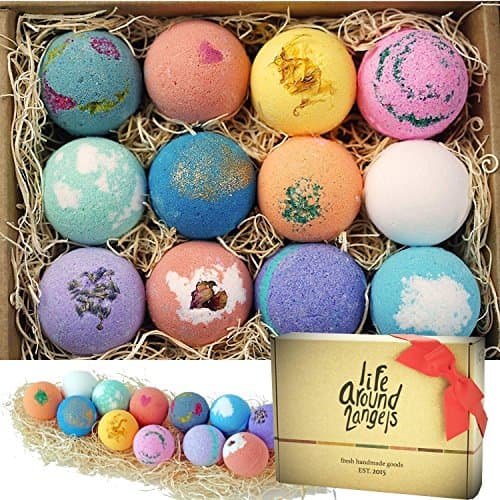
Branding and packaging turn functional bombs into compelling products. Design labels that communicate scent, ingredients, and usage, and select packaging that protects fragile shapes - shrink wrap, clamshells, or kraft boxes work for different markets. Sustainable packaging can be a selling point, but quantify added costs into pricing. Invest in clear product photography and a simple brand story that highlights what makes your fizz unique.
Choose sales channels that match your scale. Start with Etsy for low-overhead listings, add a Shopify storefront when you want direct customer control, and keep a presence at farmer markets and craft fairs to gather customer feedback and test new scents. Basic business setup - register a business name, set up bookkeeping, and secure product liability insurance - lets you grow without legal surprises.
This blueprint gives the practical steps to move from hobby batches to a reliable small business. Verify regulations for your jurisdiction, test before scaling, and prioritize consistent quality; the next phase is refining branding and expanding sales channels as you learn what sells.
Know something we missed? Have a correction or additional information?
Submit a Tip