Bath bomb fragrance safety: why essential oils need careful dispersal
A bath bomb can smell strong in the jar and still hit the tub wrong if the fragrance load, dispersion, or safety limits are off.

A bath bomb can punch hard on the bench and still turn weak, uneven, or irritating once it hits warm water, because essential oils do not simply melt into the bath. Tisserand Institute bath-safety guidance is blunt on that point: essential oils are not water soluble, so they need to be dispersed, not just poured in and hoped for.
The dry-smell trap
A lot of bath bombs are built to impress before the fizz starts. The dry scent can seem bold because the fragrance is concentrated in one spot, usually clinging to powder, binder, or colorant. Once the bomb drops into the tub, that same load may release in pockets instead of mixing evenly, which is when the user gets either a thin scent trail or a burst that feels too hot on the skin.
Bath bombs are delivery systems, not perfume samples. If the fragrance is not dispersed well through the batter, the bomb can dump undiluted or poorly mixed oil into the water instead of creating a balanced soak. The fix starts before molding, with how the fragrance is introduced, mixed, and balanced against the rest of the formula.
What IFRA changes in the batch room
The International Fragrance Association, better known as IFRA, publishes fragrance safety standards and keeps them in a searchable, sortable standards library. Its Guidance for the use of IFRA Standards, dated June 30, 2023, gives formulators a documented framework for reading those standards instead of treating them like optional fine print.
You are not just asking whether a lavender or citrus note smells good in the mixing bowl. You are asking whether that fragrance material is appropriate for a bath product and whether your load stays within the accepted limits for the relevant application category. For small-batch brands and DIY makers, fragrance often gets treated like a cosmetic afterthought even though it can determine whether the finished bomb feels luxurious or causes trouble.
IFRA conformity certificates state that compliance applies only for specified application categories and maximum concentrations, and they also say that conformity does not replace a comprehensive safety assessment of the fragrance mixture.

Why essential oils need dispersal, not faith
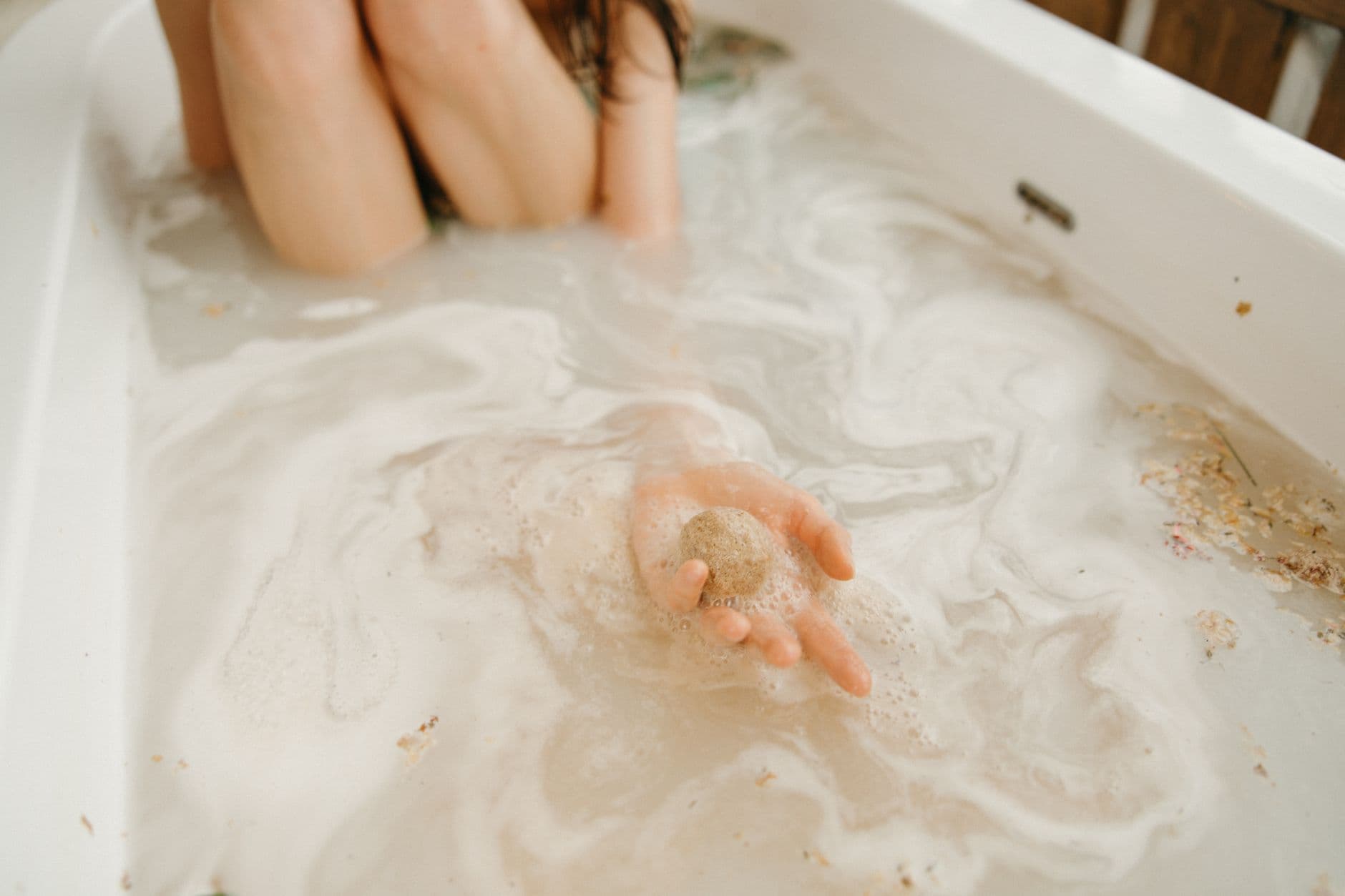
The second failure point is physical behavior in water. Tisserand Institute bath-safety guidance: essential oils are not water soluble, so they should be dispersed rather than simply poured into bath water. That detail matters because the bath is warm, agitated, and in direct contact with skin for long enough to make poor dispersion noticeable.
In a bath bomb, dispersal is the whole game. If the scent load clumps, floats, or releases in one concentrated plume, the user gets an uneven bath and a greater chance of localized irritation. If the fragrance is blended so it spreads more evenly through the fizz, the experience is more controlled and usually more comfortable. The product can still smell strong, but strong is not the same thing as well-behaved.
This is where a lot of makers overestimate the dry test. A fragrance that smells gorgeous in a cured bomb may still behave badly once it meets moving water.
Skin safety is not the same as natural
The third failure point is the temptation to treat essential oils as automatically gentler than fragrance oils. Tisserand Institute’s broader safety guidance describes essential oils as powerful substances, even though they can be used safely when handled appropriately. Bath bombs place fragrance in prolonged skin contact with warm water.
DermNet lists allergic contact dermatitis among reactions that can occur from essential oils. That does not mean essential oils do not belong in bath bombs. It means skin safety is a tradeoff you have to design for, not a problem you can admire after the fact.
For makers, that translates into careful product descriptions. Do not describe a bath bomb as harmless just because it uses botanicals or essential oils. Do not lean on the word natural as if it were a safety label. Keep the language tied to what the product actually is: a fragranced cosmetic product. When it is formulated within limits and mixed properly, it can be pleasant, but it still deserves realistic use guidance.
What to do when you build the formula
A better bath bomb starts with three decisions made together, not separately:
- Choose the fragrance material for the bath product category, not only for its scent profile.
- Keep the scent load within the relevant IFRA maximum concentration for that application.
- Mix and disperse the fragrance so it behaves evenly in water instead of creating hot spots.
A bomb that performs well in a dry sniff test still needs a wet test in the tub, because water changes everything. The smell, the spread, the feel on skin, and the strength of the first burst all matter more than the jar impression.
The FDA fact sheet for small businesses and homemade cosmetics states that cosmetics are not FDA-approved, but they are FDA-regulated. Descriptions should reflect that framework, especially if your formula uses essential oils or any fragrance blend with a known application limit.
This article was produced by Prism’s automated news system from verified source data, official records, and press releases, then run through automated quality and moderation checks before publishing. The system is built and supervised by the people who set the standards it runs under. Read our full AI policy.
Did this article answer your question?