Bath Bomb Makers Trade Mold Sourcing Tips, Canadian Suppliers and Sizes
Finding bath-bomb molds is easy. Finding stainless-steel spheres in Canada, at a price that does not get wrecked by shipping, is the real hunt.
The mold is the bottleneck
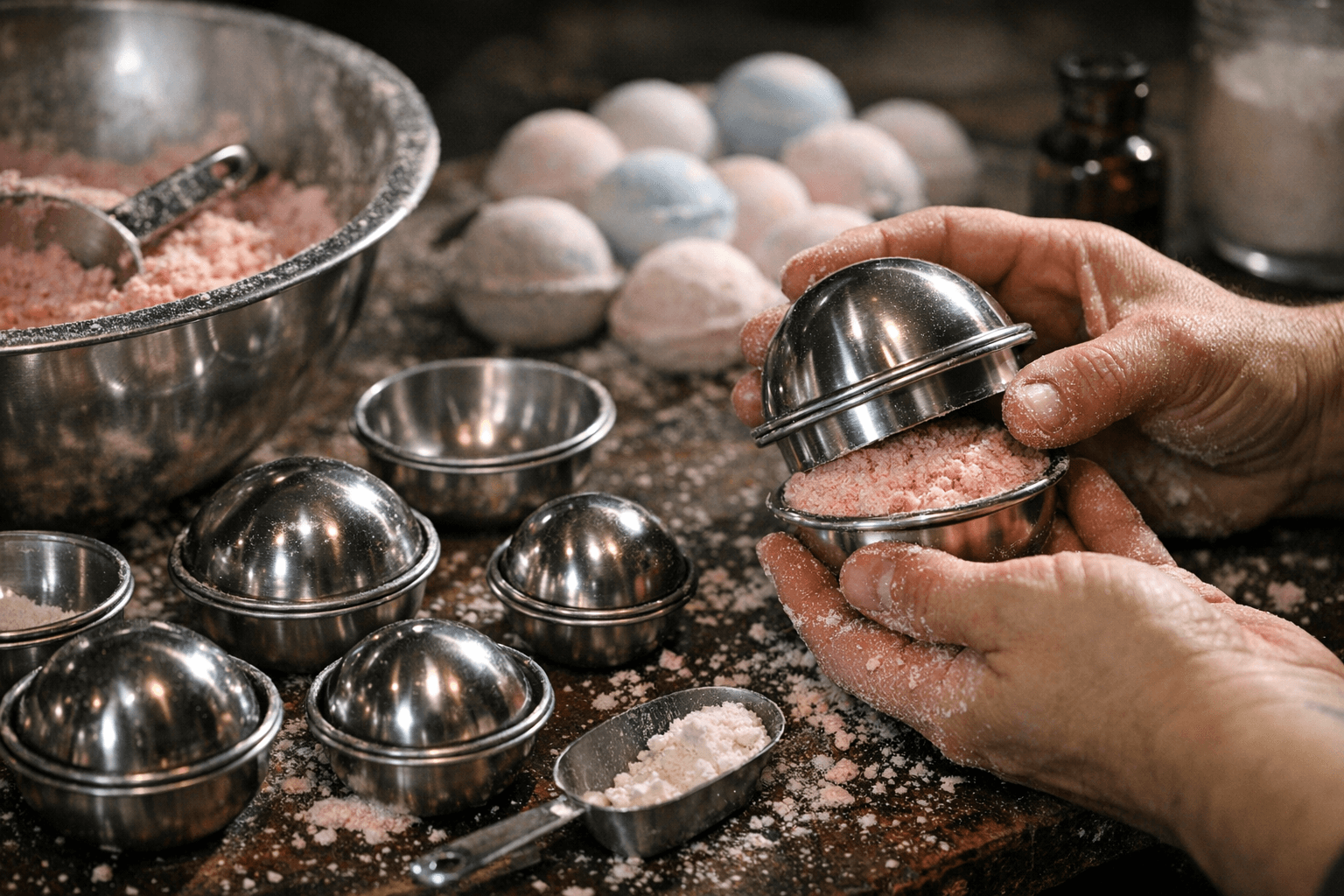
A bath bomb maker can buy fragrance, citric acid, and colorants in minutes; the harder part is finding a mold that stays round, resists denting, and does not turn every refill into a shipping headache. That is exactly the problem one maker raised while looking for stainless-steel, spherical molds from a Canadian supplier, and it is the kind of sourcing question that tells you a lot about the craft itself: the mold is not just a tool, it is part of the finish.
In this corner of the hobby, a mold has to do more than hold product. It needs to keep its shape after repeated tapping, release cleanly, and deliver that smooth, polished sphere people associate with a professional bath bomb. When makers start comparing materials and suppliers this closely, it usually means they are past casual experimenting and trying to make a repeatable process.
Why stainless steel matters so much
The wish list in the thread was specific for a reason. Stainless steel is attractive to bath bomb makers because it signals durability, especially for anyone who has watched cheaper molds warp or dent after a few rounds of use. The request for a spherical shape matters just as much, because a sphere compresses evenly and helps the bath bomb hold its classic look.
That combination, durable and dent-resistant, points to a very practical concern: if the mold bends, the finished bomb can lose its symmetry and consistency. For makers chasing a clean, professional appearance, that is not a small flaw. It is the difference between a bomb that looks batch-made and one that looks polished enough to sell or gift.
The sizes that came up in the conversation
The replies in the thread were useful because they did not stay vague. One maker pointed toward Creative Bath Lab on YouTube and then linked to mold sizes in 7-inch, 3-inch, and 2.5-inch versions. That size spread tells you something important about how people are actually shopping: not just by material, but by scale.
A 7-inch mold suggests a much larger format than the small, hand-sized spheres many beginners start with, while 3-inch and 2.5-inch sizes sit closer to the everyday bath bomb range. Seeing those options side by side is useful because size affects everything downstream, from fill weight to drying time to how many bombs a single batch can produce. For makers comparing tools, the size list is not a detail, it is the buying decision.
Canadian shoppers are not just chasing convenience
The strongest thread running through the discussion is geography. The original ask was not simply for a good mold; it was for a Canadian supplier. That preference is more than patriotism or habit. For makers in Canada, cross-border shipping can turn a reasonably priced mold into an expensive piece of kit once postage, exchange rates, and import friction enter the picture.
That is why the supplier mentions matter so much. One reply pointed to Two Wild Hares on Etsy, while noting that the company is American. Another came from a moderator who offered Windy Point Soap in Calgary as a Canadian lead. Put together, those replies sketch the real market: there are options, but the shortlist changes fast depending on whether you need local access or are willing to pay for cross-border convenience.

What the recommendations reveal about stock scarcity
The thread also hints at how thin the market can be for serious makers. One participant described Two Wild Hares as the only in-stock option they knew of, which says a lot without saying everything outright. In niche crafting, “in stock” is often the rarest feature of all, especially for specialized tools in specific metals and sizes.
That scarcity makes community knowledge more valuable than polished product listings. Makers are not just browsing catalog pages; they are trading live intel on what is actually available, which suppliers have inventory, and where the most practical path is for someone trying to avoid delay. In a hobby where many purchases are small but repeated, that kind of information saves both time and frustration.
How to compare molds like a working maker
If you are trying to buy well, the thread points to a simple way to think about the choice.
- Start with material. Stainless steel is the obvious target if dent resistance and durability matter.
- Match the size to your batch goals. The thread’s 7-inch, 3-inch, and 2.5-inch examples show how wide the range can be.
- Check where the seller is located. A Canadian supplier can reduce shipping friction and the extra cost that comes with it.
- Ask whether the item is actually in stock. Availability can matter as much as the product itself.
- Look for signs of community trust. A YouTube reference, a forum recommendation, or a moderator’s pointer can be more useful than a generic storefront page.
That is especially true in a craft where small tooling differences show up in the finished product. A mold that releases poorly or dents easily can ripple through the whole workflow, from shaping to drying to final appearance.
A hobby built on troubleshooting
The thread sits inside a larger Soapmaking Forum world that includes bath-and-body discussions, recipe feedback, and experiment threads, and that context matters. Bath bombs are not treated there like a simple consumer item. They are a hands-on craft with enough variables that people keep comparing notes on tools, formulas, and results.
That is why a short exchange about molds ends up feeling bigger than a shopping thread. It captures how the community actually works: one person identifies a problem, others supply candidate sources, and the group collectively narrows the field from “bath bomb mold” to the more precise question of which mold will hold up, fit the size you need, and arrive without punishing shipping costs.
For serious makers, that is the real lesson. The right mold is not an accessory on the side of the process. It is the point where form, finish, and practicality meet, and in Canada especially, the best option is often the one the community can actually source.
This article was produced by Prism’s automated news system from verified source data, official records, and press releases, then run through automated quality and moderation checks before publishing. The system is built and supervised by the people who set the standards it runs under. Read our full AI policy.
Did this article answer your question?