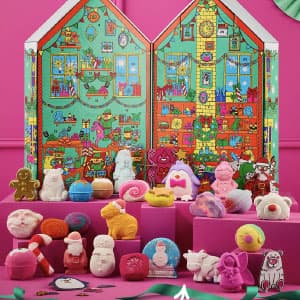
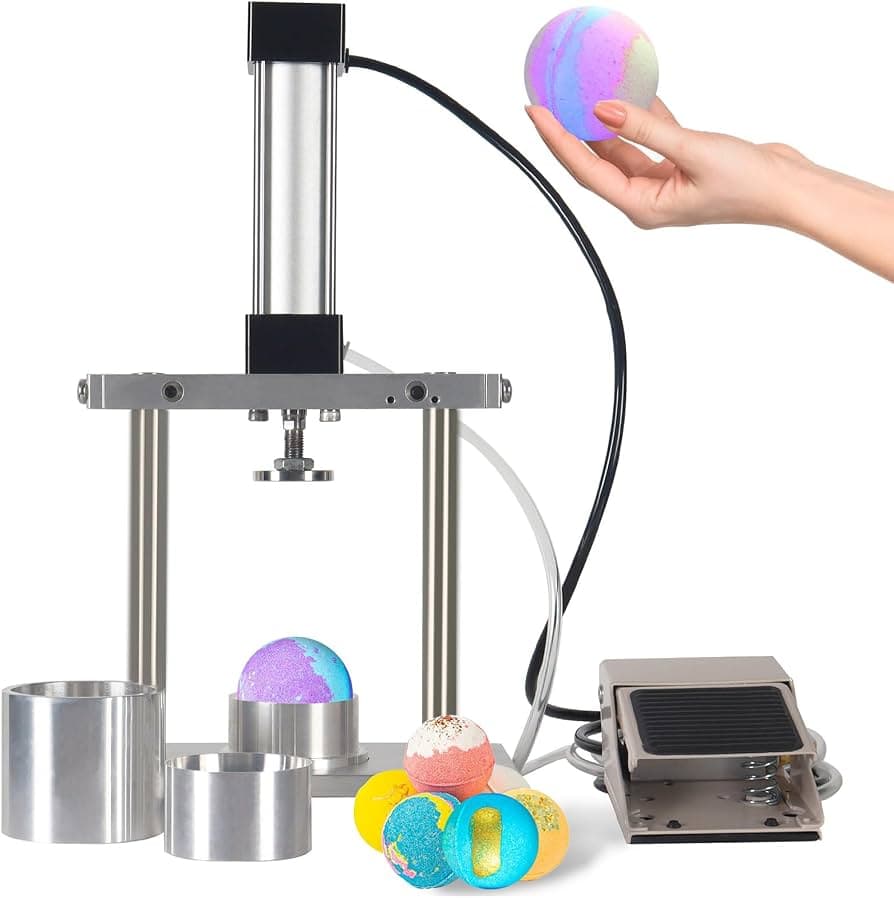
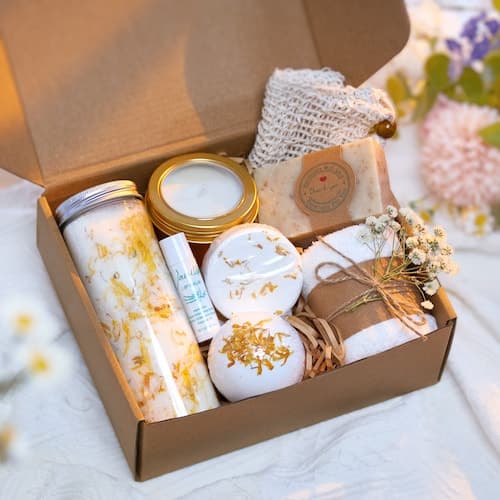
Bath Bomb Market Surges on Self-Care, Sustainability, and Personalization Trends
The bath bomb market is set to double to $1.68B by 2035, but 57% of buyers currently avoid the category over ingredient concerns, making clean-label formulation the edge that matters.
The global bath bomb market is valued at $920 million in 2026 and is tracking toward $1.68 billion by 2035 at a 7% compound annual rate. The less comfortable figure in that story: 57% of consumers already avoid bath bombs over skin irritation concerns, which means "clean" and "natural" formulations are not aspirational positioning for small-batch makers. They are the entry requirement.
A market synthesis published by Accio on March 26 aggregated nine sources to map where the category is heading, identifying three macro forces: rising preference for natural and cruelty-free formulations, with 69% of buyers citing organic ingredients as a key purchase driver; premiumization across the broader bath and body segment; and AI-powered tools emerging for product personalization and targeted marketing. North America led luxury bath and body revenue with the largest regional share, but Asia-Pacific is now the fastest-growing market, driven by affluent consumers in China and Japan and the continued influence of South Korean K-beauty trends.
The premiumization signal is where the marketing most reliably outruns reality. Fragrance inflation is the most visible pressure point: essential oil blends positioned as "luxury aromatherapy" can push cost-per-bomb past the $3 threshold without delivering a meaningfully better fizz or scent throw. The experiment worth running this weekend is a controlled comparison, pitting a standard bomb at a 1:1 baking soda-to-citric acid ratio against the same base with a single-note essential oil at 1% versus a blended "premium" fragrance oil at the same rate. Fifteen minutes in a standard tub will tell you whether the price delta converts to an actual sensory difference.
Sustainability claims carry their own greenwashing risk. Biodegradable glitter and plant-derived colorants are legitimate differentiators, but an "eco-friendly" bomb still wrapped in non-recyclable shrink film is the kind of inconsistency that reads immediately in an unboxing video. The concrete move: run a packaging audit on your next small batch, calculate the packaging-to-product weight ratio, and disclose it. That number builds credibility faster than vague sustainability language, particularly in the social formats that Accio identified as the primary discovery channel for the category.
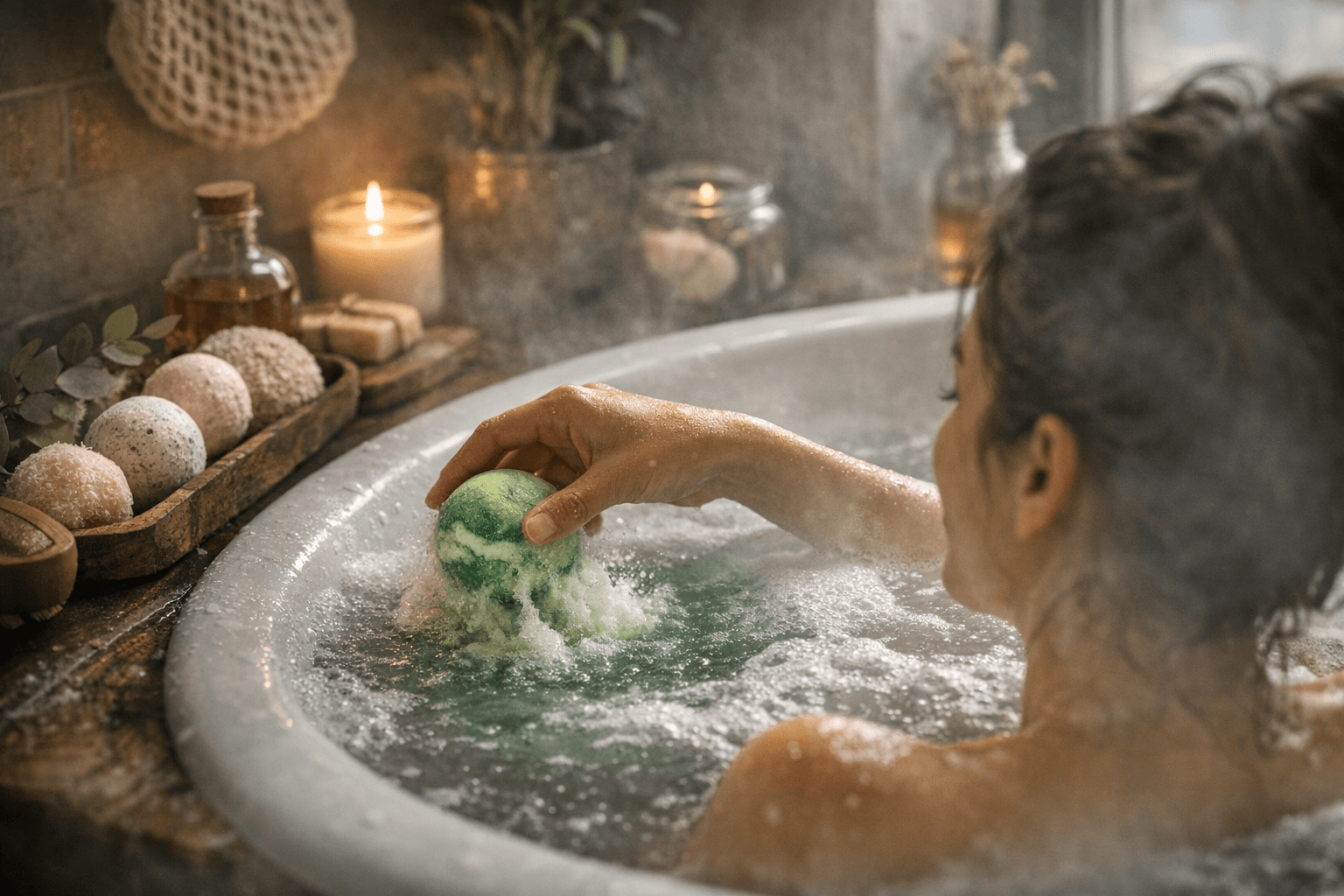
The third experiment concerns personalization. AI-driven customization is emerging as a category-level growth driver, and the practical small-batch translation is splitting a single base formula across distinct add-in profiles: a magnesium soak for recovery positioning, an adaptogen blend for stress relief, or a functional ingredient stack targeting skin microbiome framing. Ingredient cost differences between the three run roughly $0.40 to $0.90 per bomb depending on sourcing. The value is not in the product variation itself; it is in discovering which positioning angle converts on short-form video, where Accio's synthesis confirmed that color bloom, fizz, and visible skin feel drive both discovery and impulse purchase.
Lush validated the clean-label floor in early 2025 by launching a dedicated vegan bath bomb line in direct response to cruelty-free demand, while Da Bomb Bath Fizzers announced a Boots UK partnership the same quarter, opening the European market. For independent makers, those moves define what the category now expects as baseline. Limited-edition drops tied to entertainment and holiday calendars are the next competitive layer, and the makers building consistent short-form content around their formulas are the ones best positioned as the category continues its climb toward its 2035 projection.
This article was produced by Prism’s automated news system from verified source data, official records, and press releases, then run through automated quality and moderation checks before publishing. The system is built and supervised by the people who set the standards it runs under. Read our full AI policy.
Did this article answer your question?