Bath Bomb Slime Is the Hybrid DIY Trend You Need to Try Now
Bath bomb slime mashup delivers fizz plus stretch in one wild DIY project - here's the recipe and method to make it yourself.
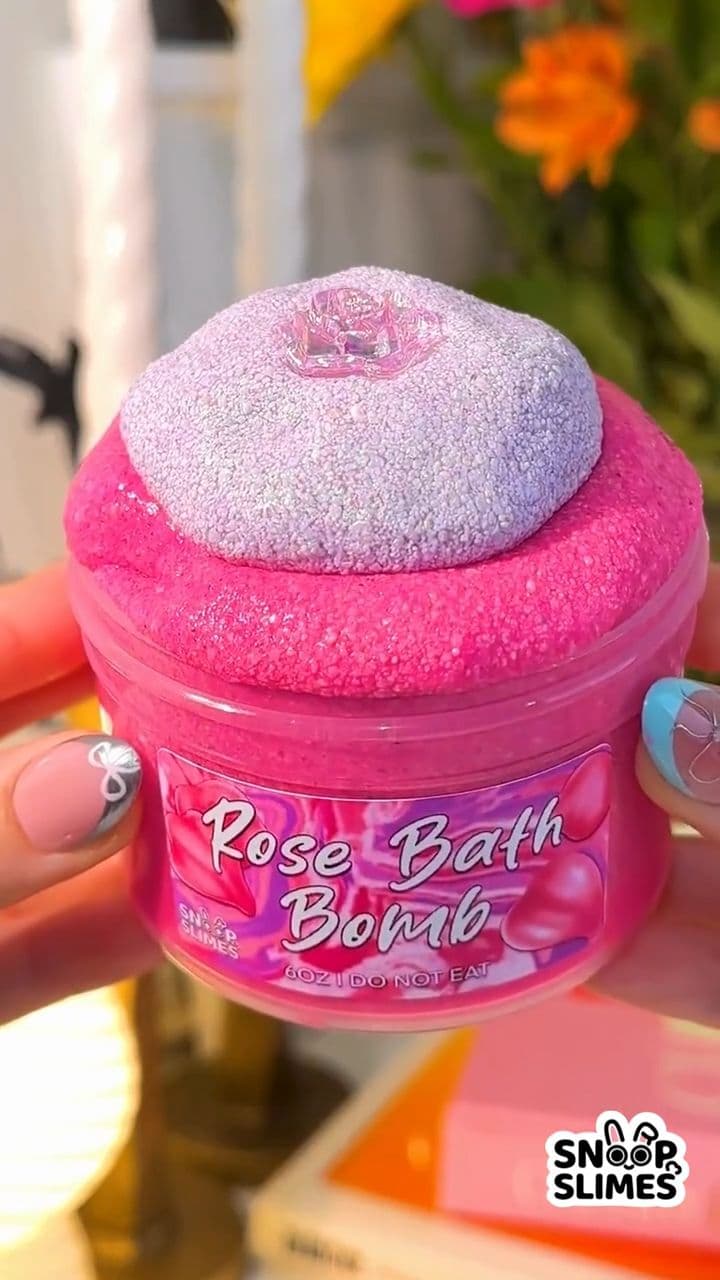
Two of the most satisfying DIY obsessions in craft culture have collided, and the result is exactly as chaotic and delightful as it sounds. Bath bomb slime combines the fizzing, skin-softening chemistry of a classic bath bomb with the tactile, stretchable weirdness of slime, producing a hybrid that both looks incredible and actually works in the tub. If you've ever wanted a reason to raid your citric acid stash and your glue bottle at the same time, this is it.
What Exactly Is Bath Bomb Slime?
Bath bomb slime is a two-in-one DIY creation that behaves like slime during play but dissolves and fizzes when it hits water, releasing the same moisturizing and aromatic effects you'd expect from a traditional bath bomb. The texture sits somewhere between a dense cloud slime and a moldable dough, holding its shape and stretch right up until the moment it contacts the bathwater. That fizzing activation is what separates it from every other slime variation in the hobby: it's sensory on the outside of the tub and therapeutic once it's in.
The trend has been circulating through DIY and bath bomb communities for a while, but Marion Howard's detailed breakdown, published by the learn-here content platform 1Dece, pulled the method into clear focus and gave crafters a reliable, tested framework to follow. For anyone who's been watching clips of fizzing slime dissolve in bathwater and wondering how to replicate it at home, the answer is now thoroughly documented.
The Core Ingredients
Making bath bomb slime requires ingredients from two separate worlds, and the magic happens at their intersection. The bath bomb side of the formula brings baking soda, citric acid, and your choice of skin-safe oils and colorants. The slime side introduces a binding agent, typically a clear or white PVA glue base, along with an activator that controls the stretch and consistency.
Getting the ratio right between the fizzing components and the slime-forming components is the central challenge. Too much citric acid relative to the binding base and the slime activates prematurely from moisture in the air. Too little and you lose the payoff fizz in the bath. The sweet spot produces a slime that's stable enough to stretch and play with at room temperature but reactive enough to deliver a satisfying dissolve the moment it hits warm water.
Fragrance oils, cosmetic-grade micas, and glitter are all fair game for customization, following the same rules you'd apply to any skin-contact bath bomb formula: keep fragrance loads conservative and confirm every colorant is bath-safe before mixing it in.
Step-by-Step: How to Make It
The process runs in two stages: building your dry bath bomb base first, then folding it into your prepared slime.
1. Combine baking soda and citric acid in a dry bowl, keeping the ratio roughly 2:1 by volume.
Add any dry colorants or micas at this stage and mix thoroughly so the color distributes evenly before any wet ingredients touch the powder.
2. Separately, blend your chosen skin-safe oil, a small amount of water or witch hazel, and fragrance into the liquid portion.
Add this to the dry mix slowly, whisking constantly to prevent premature fizzing. You're aiming for a damp, crumbly texture that holds together when pressed, not a fully packed bath bomb mixture.
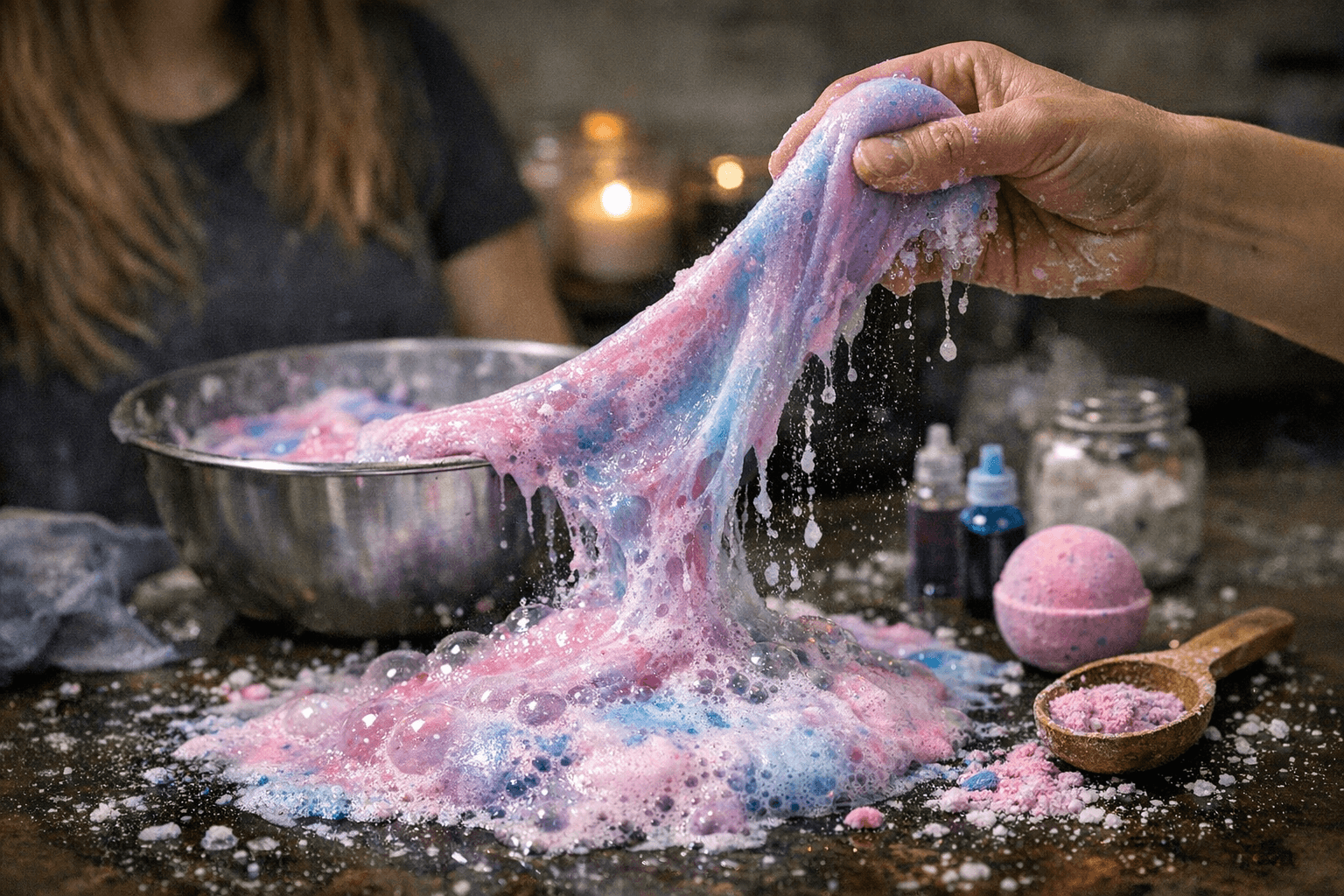
3. Prepare your slime base by activating your PVA glue with your chosen activator, working it until you have a cohesive, lightly stretchy slime.
It should be on the firmer side of your usual slime range, since the bath bomb powder is about to loosen the consistency slightly when you fold it in.
4. Fold the bath bomb powder mixture into the slime in small increments, working it through with your hands.
The slime will stiffen slightly as the dry components absorb into it. Keep folding until the powder is fully incorporated and the color is uniform throughout.
5. Store the finished bath bomb slime in an airtight container away from humidity.
Moisture is the enemy here: any exposure before you're ready to use it will trigger partial fizzing and degrade the texture.
Texture, Troubleshooting, and What Can Go Wrong
Premature activation is the most common issue crafters hit with this hybrid, and it almost always traces back to humidity or wet hands during the folding stage. If your slime starts feeling grainy or you notice small fizzing pockets forming while you're working, your environment is likely too humid or your liquid component ratio was slightly too high. A dry day, a dehumidifier running nearby, or working quickly with dry hands all help.
If the slime feels too stiff after folding in the bath bomb powder, resist the temptation to add water to loosen it. A tiny addition of extra glue base is a safer fix since it won't trigger the fizzing reaction. If it's too sticky, a minimal activator top-up applied carefully to your hands while you work the slime will bring it back to a playable consistency.
Color bleeding is worth anticipating: some micas and cosmetic colorants behave differently when suspended in glue versus packed into a traditional bath bomb. Test your colorants in a small slime sample before committing to a full batch. Certain ultramarines and neons are particularly prone to uneven distribution in a glue base.
Why This Trend Has Legs
Bath bomb slime sits at the intersection of two communities with massive, overlapping audiences, and it delivers something neither discipline offers on its own: a play experience that extends the enjoyment from the crafting table all the way into the bath. Traditional slime has no functional payoff beyond texture and stress relief. Traditional bath bombs are consumed the moment they hit water, offering no tactile engagement beforehand. Bath bomb slime closes that gap entirely.
The visual content potential is also genuinely high. Watching a brightly colored, stretchy slime dissolve into a fizzing cloud of color in a bathtub produces exactly the kind of satisfying footage that travels well across craft-focused communities. For anyone building a DIY content presence, a successful batch of bath bomb slime is practically ready-made material.
The formula is also genuinely beginner-accessible. If you've made either slime or bath bombs before, you already understand the most important variables. Combining them requires care and dry conditions, but it doesn't demand advanced chemistry or specialized equipment. A kitchen scale, a dry workspace, and ingredients you likely already stock are enough to produce a first batch worth being proud of.
This article was produced by Prism’s automated news system from verified source data, official records, and press releases, then run through automated quality and moderation checks before publishing. The system is built and supervised by the people who set the standards it runs under. Read our full AI policy.
Did this article answer your question?